

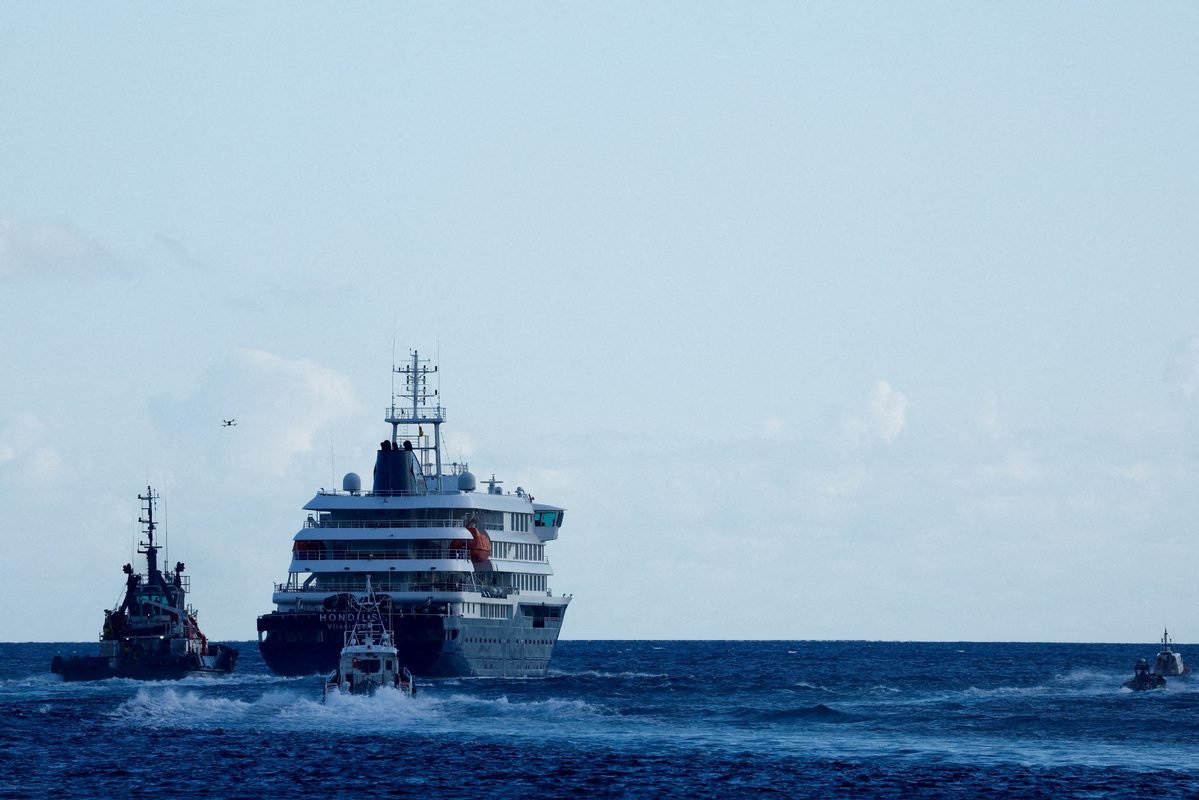
Nigeria is increasing its surveillance efforts as African authorities step up cross-border checks in response to a hantavirus outbreak linked to the MV Hondius cruise ship.
To help prevent the spread of disease, the Nigeria Centre for Disease Control and Prevention (NCDC) has released a public health advisory, increased screening, and strengthened surveillance for new infectious diseases.
Officials said there are no confirmed cases of hantavirus in Nigeria. They advised people to keep their surroundings clean, store food properly, avoid rodents, and see a doctor if they develop symptoms like fever or trouble breathing after visiting affected areas.
The outbreak began with passengers who had contracted the Andes strain of hantavirus in South America before boarding the ship.

When the vessel stopped in Cape Verde and the Canary Islands, it caused international concern.
This led to medical evacuations, passenger monitoring, and contact tracing in several countries.
A joint webinar hosted by the World Health Organisation (WHO) Africa Regional Office and the Africa Centres for Disease Control and Prevention (Africa CDC), experts emphasised that while the overall public health risk remains low, the episode emphasises how quickly diseases can spread through global travel.
Tolbert Nyenswah, who leads Africa CDC’s Centre for Public Health Emergency Management, said that over 161 people around the world are being monitored. He warned that “no region is insulated from emergent and reemerging health threats.”
Officials made it clear that hantavirus is different from COVID-19 because it does not spread easily from person to person.
People usually get infected through contact with rodents or their droppings. WHO’s Marie-Roseline Belizaire urged countries to act quickly and focus on being prepared, not panicking.
She called for stronger surveillance, ready laboratories, and clear communication with the public.
Kenya is also increasing screening at airports and seaports, and is working to improve digital surveillance and laboratory coordination.
Experts said Africa’s experience with Ebola, COVID-19, cholera, and Lassa fever has helped build stronger emergency response skills.
Yap Boum II from the Africa CDC highlighted the need for a “one health” approach, which brings together human, animal, and environmental systems to detect and prevent diseases that can spread between animals and people.
This incident shows the urgent need for careful checks at ports of entry and strong preparedness across Africa.
Nigeria remains a leader in regional efforts, helping to protect the continent from new health threats and encouraging teamwork to build stronger public health systems.