

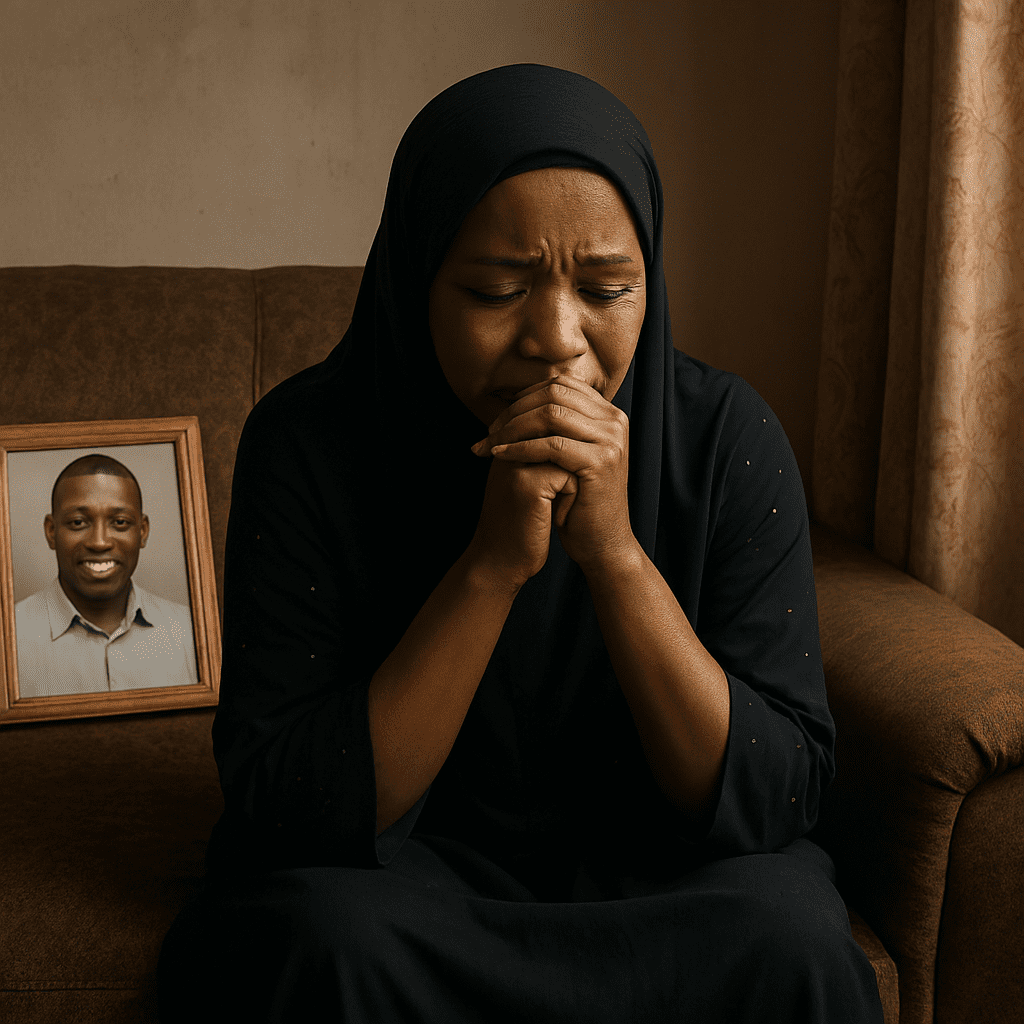
In Lagos, Amina lost her husband in a road accident at 32. Even after two years, she struggles with daily reminders of his absence, often avoiding work and family as she holds on to memories.
Mental health professionals say Amina’s experience is an example of Prolonged Grief Disorder (PGD), a psychiatric condition where intense mourning lasts over six months.
The World Health Organisation recognised PGD in 2018 and estimates it affects about 10 per cent of bereaved people worldwide.
In Nigeria, sudden and traumatic deaths are common, from insurgency in the North-East, accidents, or medical emergencies. Psychiatrists warn that PGD may be more common than people realise.

A former Chief Medical Director explained, “We see many cases where grief becomes pathological. Families assume prolonged mourning is cultural, but in reality, it can be a psychiatric disorder. Without intervention, people remain stuck in grief.”
Faith leaders say they often encounter such cases. A pastor in Lagos noted, “Churches and mosques are the first line of support.
Pastoral care is essential, but clergy must also recognise when grief has become a medical issue and encourage professional help.”
NGOs are working to fill the gap. The Mentally Aware Nigeria Initiative (MANI), a leading mental health group, says unresolved grief often comes up in calls to its helpline.
“We hear from people who lost loved ones years ago but still cannot move on. Many don’t even know PGD exists. Awareness is the first step to treatment,” a spokesperson said.
Recent international research shows that PGD shares brain activity patterns with depression and anxiety, but also involves areas linked to reward and attachment.
This could explain why some people feel a strong need for their loved one’s presence, making it harder to move on.
Nigeria faces two main challenges: recognising prolonged grief as a medical issue and expanding access to treatment. Mental health services are underfunded and stigma remains strong, so many cases are not diagnosed.
Experts say unresolved grief affects society in many ways, including lowering productivity, causing family problems, and weakening communities.
As the former Medical Director said, “We must stop seeing grief only as a spiritual matter. It is also medical. If we combine faith-based support with professional care, we can help Nigerians heal and move forward.”
For Amina, understanding her condition was a turning point. With help from a local NGO, she has started to rebuild her life.
Her story shows that with awareness and support, healing is possible, and others in Nigeria facing similar struggles can also find hope.