

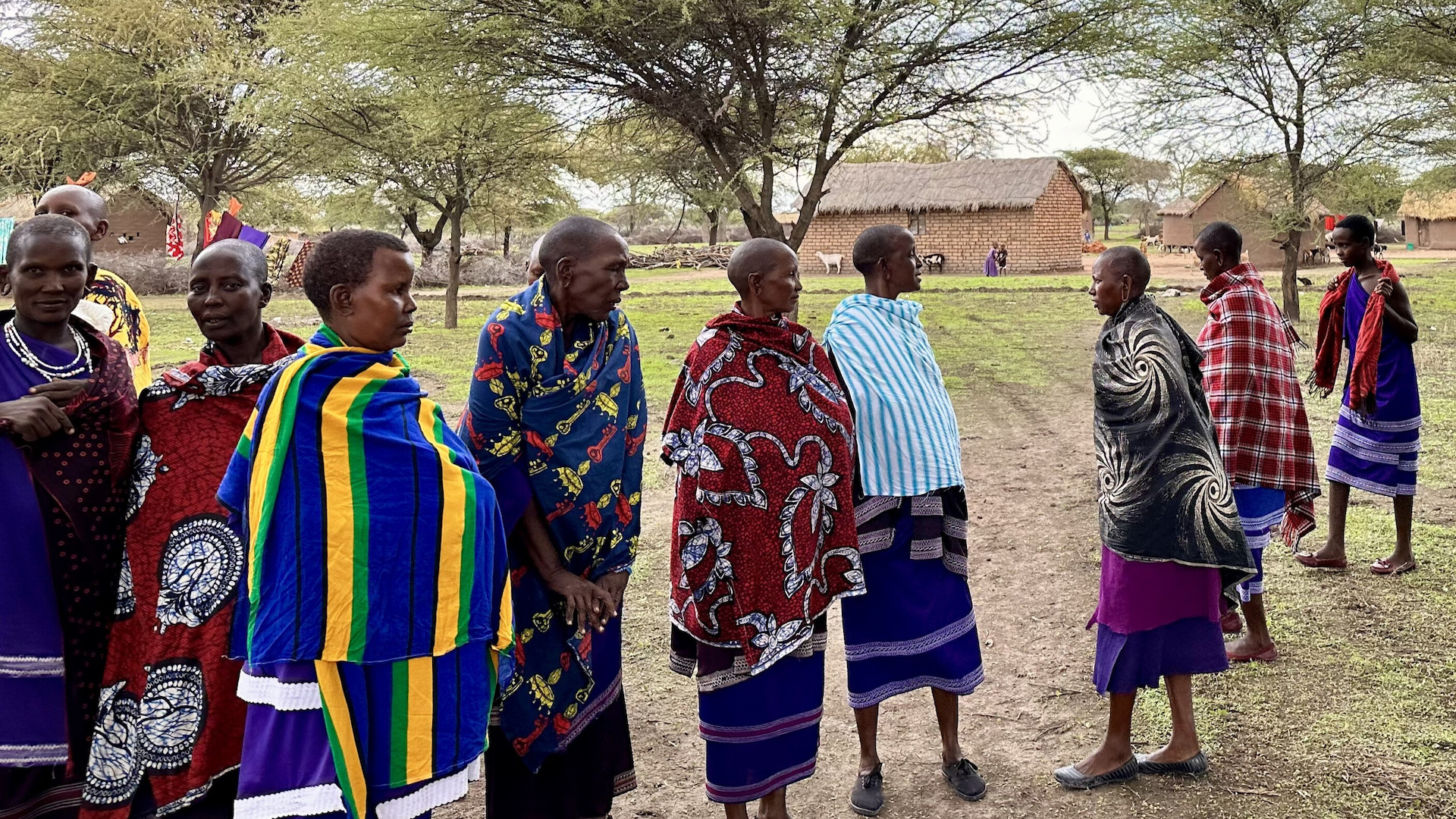
The project to expand protected areas and boost tourism was cancelled in 2024 following human rights abuse allegations.
Kehinde Adegoke | ICIJ
Villagers in Tanzania have filed a formal grievance with the World Bank, claiming the bank still hasn’t provided adequate redress for loss of livelihoods and alleged human rights abuses stemming from a bank-funded environmental programme.
The villagers also claim that, despite the bank’s assurances, the abuses are continuing.

The World Bank’s Resilient Natural Resources Management for Tourism and Growth (REGROW) project provided $100 million to expand protected environmental areas and boost tourism in the East African country.
However, the bank cancelled it in November 2024 following allegations that Tanzanian wildlife rangers were involved in forced evictions, sexual assaults, extrajudicial killings, and other misconduct related to the project.
The World Bank’s own investigation found that “there were critical failures of the Bank in the planning and supervision of this Project and that these have resulted in serious harm.”
On February 2, 2026, the Oakland Institute, a California-based think tank supporting small farmers, forest dwellers, and indigenous communities worldwide, filed a complaint with the World Bank’s Grievance Redress Service on behalf of community members who remain anonymous due to fears of reprisals, according to the institute.
In April 2025, the World Bank released an Action Plan to provide relief to communities affected by the project. The plan guaranteed the halt of forced resettlement, the maintenance of farming and pastoral activities, and support for livelihoods.
In a statement, the Oakland Institute stated that, despite commitments from the bank, Tanzanian park rangers were allegedly responsible for the deaths of two more individuals and continue activities that have negatively affected communities, as restrictions on livelihoods remain.
The institute also alleges that World Bank efforts to address these issues “have not provided adequate redress” — a claim referenced by United Nations special rapporteurs and working groups.
TheDiggerNews could not, however, independently verify this claim at press time.
According to the institute, the government of Tanzania under President Samia Suluhu Hassan — who was re-elected last year after an election marked by reported rights violations — has announced that residents of five villages will be evicted, contrary to the bank’s promises. Together, the relocations will affect tens of thousands of people.
In a statement, the Oakland Institute’s executive director, Anuradha Mittal, said that “as Tanzania’s largest donor, the World Bank has the means and the leverage to end this harm and repair the devastation of lives it is responsible for.”