

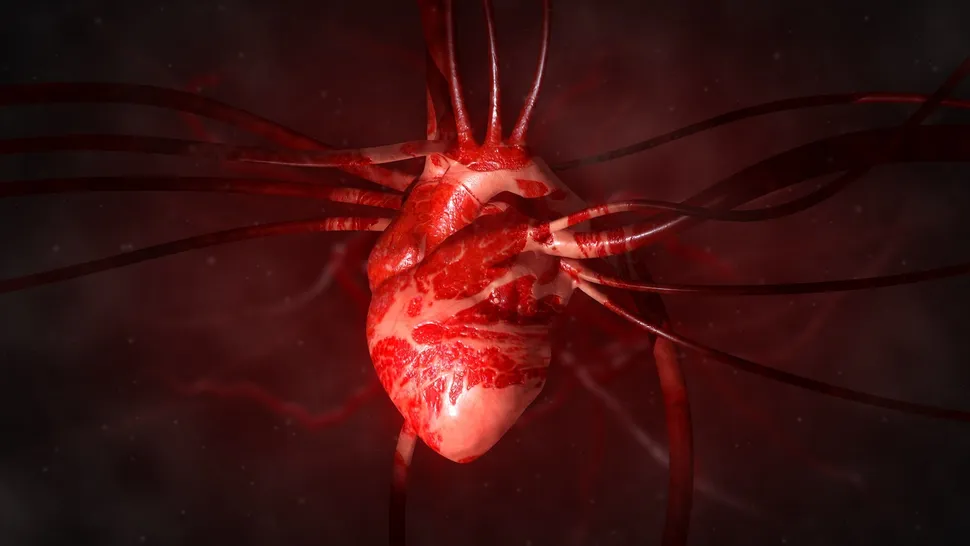
A single shot of a new self-amplifying RNA (saRNA) treatment has repaired heart tissue in mice and pigs after a heart attack, raising hopes for a future breakthrough in human recovery.
Researchers boosted levels of a natural heart-healing hormone, atrial natriuretic peptide (ANP), by injecting saRNA into leg muscle. The muscle acted as a “factory,” producing proANP that entered the bloodstream and converted into ANP in the heart. Unlike standard mRNA, saRNA replicates itself, sustaining protein production for weeks.
“This system is revolutionary, because it’s using skeletal muscle as a factory to produce the proteins we need,” said Dr Ke Huang of Texas A&M University.
Heart attacks, caused by blocked arteries, often leave scar tissue that weakens the heart. Repairing muscle cells quickly could reduce the risk of heart failure, but delivering drugs directly to the heart has been difficult. “It is very hard to deliver drugs to the heart without invasive procedures,” explained senior author Dr Ke Cheng of Columbia University.

The study, published March 5 in Live Science, showed that saRNA injections restored heart cells in animals. Experts say the approach could be safer than past attempts, since it uses the same delivery system as COVID-19 vaccines.
Still, caution remains. “We do not yet exactly know what the mechanism would be that would exert an advantage for patients,” noted Dr Dan Atar of Oslo University Hospital, who was not involved in the study. Previous trials with natriuretic peptides in humans failed to improve recovery.
Much more research is needed. Clinical trials must confirm safety, dosage, and effectiveness before this experimental therapy can be considered for human use.
m

