

The World Bank arrived in Abuja with “Mission 300” — a plan to electrify millions, backed by regional pipelines, private capital, and cross-border energy integration
Abuja: Three hundred million Africans still live without electricity. The World Bank arrived in Abuja this week with a plan — called “Mission 300” — to change that, anchored in regional pipelines, cross-border energy deals, and a deliberate push to draw private capital into a sector long dependent on public funding.
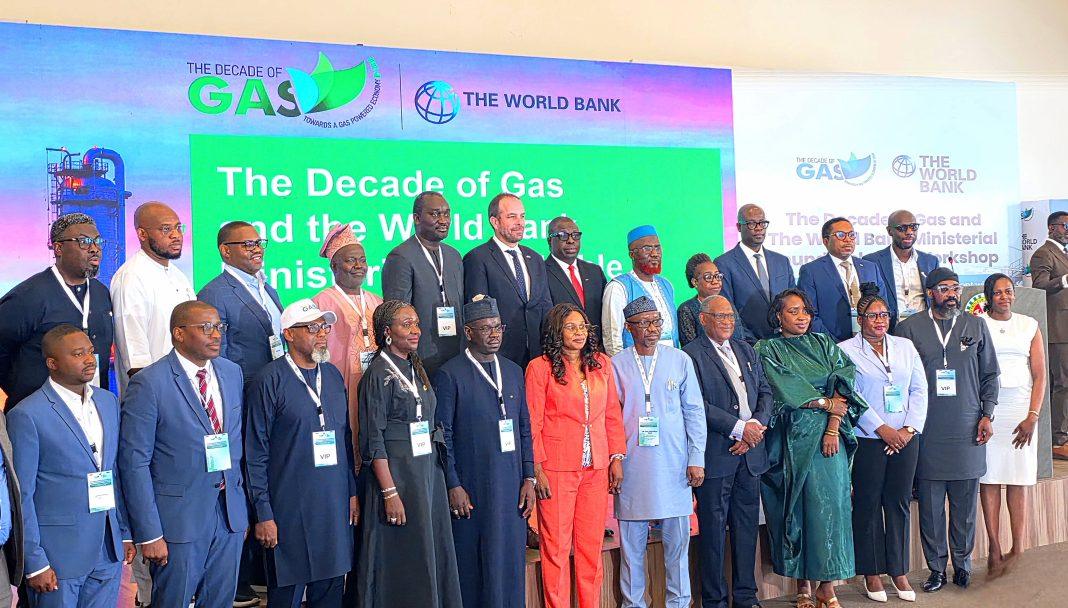
Speaking on Monday in Abuja at the Decade of Gas Ministerial Roundtable and Workshop, the World Bank Country Director for Nigeria, Mathew Verghis, outlined the institution’s regional strategy. He also described its priorities and opportunities for collaboration.
Verghis was represented by Justin Beleoken from the World Bank. Beleoken outlined the Bank’s structure and activities, stressing that its role goes beyond financing.

He explained that the World Bank Group operates through five institutions supporting governments and the private sector. According to him, the Bank primarily finances public sector projects, infrastructure, and policy reforms through its funding arms. Financing arms.
He added that the International Finance Corporation plays an essential role in advancing private sector growth, including backing developers and catalysing. He noted that the Multilateral Investment Guarantee Agency reduces investment risks and attracts private capital by guaranteeing projects across diverse sectors.
He said the World Bank’s work in gas has evolved over time. The Bank has long supported gas-to-power, which remains central to its energy. The World Bank’s approach, he said, rests on five pillars: expanding affordable, renewable energy access and advancing initiatives like the Mission 300 programme.00 programme.
According to him, the Mission 300 programme aims to provide electricity to 300 million people in Sub-Saharan Africa. It will do this by building infrastructure, partnering with local utilities, and introducing affordable payment. Other priorities include spurring economic growth and generating jobs. They also entail advancing regional integration through cross-border energy solutions and attracting private-sector investment.
Highlighting its achievements, he stated that the World Bank has supported numerous energy and gas projects across various regions.
In Nigeria, the Bank is involved in the electricity and gas improvement programme. In Ghana, it supports offshore gas supply and domestic power generation projects.
He referenced ongoing support for cross-border pipeline infrastructure. He also mentioned new projects in Senegal, Mauritania, and Mozambique, as well as reforms in Asia and North Africa.
He emphasised that the World Bank’s experience across these projects positions it to foster stronger partnerships and support African countries in leveraging gas resources for sustainable development.


