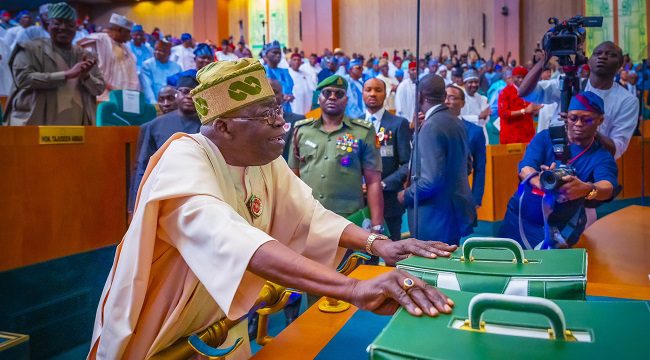
Once the National Assembly approved President Bola Ahmed Tinubu’s borrowing request, the effects were quickly felt in markets, homes, and everyday routines. TOYE FALEYE reports.
The Quiet Approval That Carries Weight
Most Nigerians hardly noticed the news. Tomato prices stayed the same, and petrol lines did not get shorter. Still, this decision will eventually affect everyone.
A decision was made in Abuja. Now, its effects are just starting to appear in places like Bodija Market, on Lagos roads, and in Kano shops.

Six billion dollars is a lot of money. In the end, most people care about how it affects their daily lives, like changes in prices, new opportunities, or added pressures.
A Government Caught Between Revenue and Reality
The truth is simple, even if it is hard to accept: Nigeria does not earn enough money. There are roads to build, power to fix, salaries to pay, and many expectations. When income falls short, the government borrows to cover the shortfall.
It is like a family taking out a loan for urgent needs, but in this case, millions of people who did not choose to borrow must help repay it. Borrowing can offer quick relief, but handling the repayment is a serious challenge.
A country’s borrowing sends ripples to many who never hear the details but feel the effects.
Borrowing dollars brings short-term relief as the money arrives. The naira becomes more stable for a while, but the debt will still need to be repaid.
When it is time to repay, the need for dollars goes up. If Nigeria does not earn enough foreign currency, the naira could weaken, and living costs might rise. Careful management could help reduce these problems. meets reality: a trader pays more for transport. A bus driver raises fares as fuel costs rise. fuel prices climb.
A mother at the market stops to figure out what she can afford to leave out of her shopping.
No announcement links these moments, and no single explanation fits. Yet, inflation doesn’t arrive suddenly. It creeps in, changing habits and forcing choices.
You can see it in smaller food portions and delayed plans. Still, many Nigerians hold onto another hope, even if past experience makes them cautious.
If the borrowed money is used wisely, things could get better. Power might become more reliable, and generator and fuel costs could go down.
In that case, borrowing is not just a burden but a possible investment. If used well, it could lead to more reliable power, lower costs, and more opportunities.
When Debt Outpaces Development
Hope in Nigeria is matched by caution. In Nigeria, hope is balanced by caution. People have seen projects stop halfway. If the money does not bring real change, only debt remains.
The burden comes back as higher costs, new taxes, and fewer services, quietly moving problems from government offices to people’s homes. Poorly managed debt makes life harder for citizens.
People adjust: graduates look for freelance jobs paid in dollars, shop owners focus on fast-selling goods, families buy food in bulk and share costs with neighbours, and some invest in solar panels to avoid high fuel bills.
These are not ambitious plans, but necessary ones. For now, stability is built one household at a time. Education, digital skills, and global ties help some stay afloat or get ahead. For others, the edge is thinner. Rising prices shrink incomes and strip away existing safety nets.
The main point is that borrowing can make inequalities worse if the benefits do not reach everyone.
It could lower incomes and reduce opportunities for many Nigerians, so it is important that the results are shared widely.
Reading the Signs
The key takeaway is that Nigerians will clearly see the effects of borrowing. They will notice higher prices, new building projects, and changes in daily life.
What matters most is whether government borrowing really makes life better for ordinary people. The results will show the level of trust, good leadership, and shared benefits.
The main point is that the six billion dollar loan will be judged by how it changes daily life for regular people, not just by what official reports say. What matters is whether it makes things better or harder for them.