
Toye Faleye/NAN
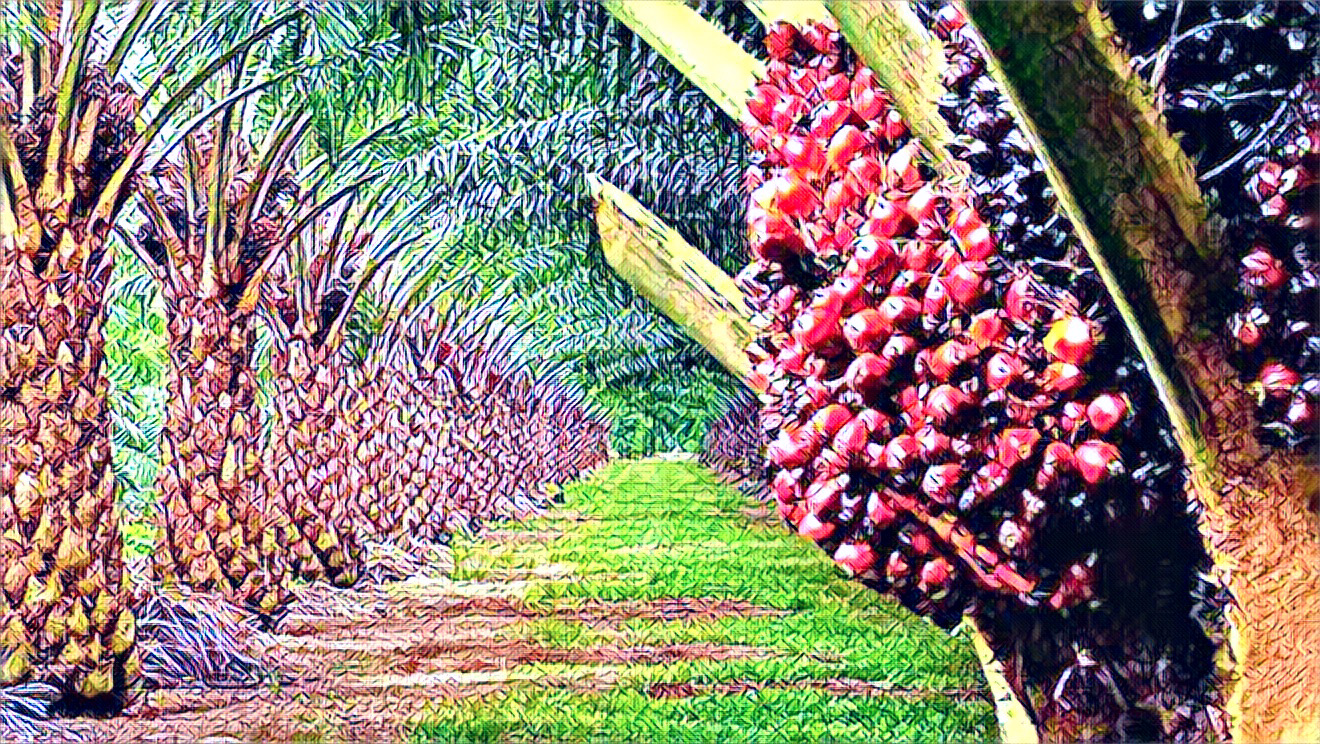
Abuja: The National Palm Produce Association of Nigeria (NPPAN) says the country will be self-sufficient and meet its global market share of oil palm by 2050.
This, it said, was possible through effective implementation of the National Oil Palm Development Strategy.
Mr Alphonsus Inyang, National President of NPPAN, said this during an interview with the News Agency of Nigeria (NAN) on the sidelines of the National Oil Palm Development Strategy validation meeting.

Inyang said that, with the guideline, the country’s current production capacity of 1.4 to 1.5 metric tonnes annually would increase to 9 to 10 metric tonnes by 2050.
Inyang, who is also the Vice Chairman of the Technical Working Group for the development of the National Oil Palm Development Strategy, emphasised that the feat would be achieved by empowering smallholder farmers to increase production.
He further stated that, under the new framework, oil palm production would expand to Taraba, Niger, and Kogi States.
He said that leveraging some northern states, among other interventions, was part of the way to achieve 2050 self-sufficiency and global market targets.
Taraba, with 69,000 square kilometres of land, is well placed to cultivate oil palm trees more than the whole southern part of the country.“Taraba State has longer sunshine than southern Nigeria; it also has water in some parts.
“So those are the things we are going to leverage. Niger State, too, has areas that can produce oil palm, Kogi also,” he said.
Inyang said the strategy aims to make the country a global industry leader.
Inyang explained that the framework includes establishing a National Oil Palm Council (NOPC), an Oil Palm Development Fund, and a National Smallholders Development Fund.
According to him, the Nigerian Institute for Oil Palm Research (NIFOR) will be transitioned into a Nigerian Oil Palm Board to oversee research, development and innovation in the sector.
Inyang frowned at the country’s ranking as the world’s fifth-largest oil palm producer.
“We are the number one palm oil producing country in Africa, the number one importer, exporter and the number one consumer.
“We produce more, we import more, we consume more, and we export more than any other country in Africa,”he said
Inyang attributed slow sector growth to a lack of clear governance architecture and structure over the years.
Inyang said that the gap led to a fragmented system without a central regulatory authority to guide investors.
“Governance architecture and governance structure are key to driving the sector.
“The strategy will have a structured governance architecture similar to what is obtainable in Malaysia and Indonesia, the leading oil palm-producing countries.
“There will be a structured governance architecture that will be formed by the strategy with the oil palm development fund to manage 25 per cent of tariffs that are being collected for palm oil, among other funds, that will be generated.
“With the development of the framework, the government has created an enabling environment to support growth in the sector.
“Therefore, private sector players and investors should take advantage of the new policy framework,”he said.
Dr Fatai Afolabi, Managing Consultant at Foremost Development Services, said the mission is to achieve sustainable, self-sufficient, competitive, and inclusive palm oil production in the country.
“Its mission is leveraging a hybrid development model-integrating large-scale estates and smallholders through sustainable practices, research and efficient supply chains,” he said.
#PalmOil #Nigeria #NigeriaAgriculture #OilPalm #NPPAN