

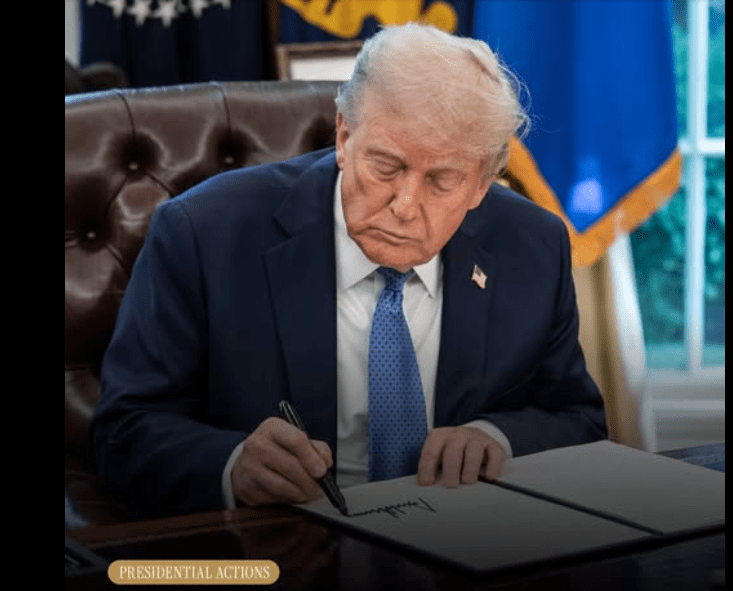
A new US proclamation imposing 100% tariffs on patented drugs threatens to raise prices across Nigeria, which imports 75% of its medicines from India and China—the tariff’s primary targets.
Washington, D. C.: President Donald Trump on April 2 signed a proclamation imposing tariffs of up to 100 per cent on patented pharmaceuticals and active ingredients imported into the United States, citing national‑security concerns over reliance on foreign supply chains.
As a result, Nigeria, which imports approximately 75% of its pharmaceutical products — primarily from India and China — faces significant exposure to the resulting global price increases, even though it exports no drugs to the United States.
India and China supply the bulk of active pharmaceutical ingredients to manufacturers worldwide. Because US tariffs compress their margins, analysts warn that price increases will ripple across developing markets that depend on the same supply chains. Nigeria will be among the most exposed, given its high import dependency and the naira’s weakened purchasing power.

Given this context, Nigeria’s domestic pharmaceutical manufacturers offer limited protection. Over 90% of their raw inputs are also imported from India and China, meaning local production costs will rise in tandem with import prices.
The proclamation also raises fresh concerns about Nigeria’s HIV response. The US government’s PEPFAR programme currently funds 90% of Nigeria’s antiretroviral treatment burden, supporting over 1.6 million patients. Patented antiretrovirals fall within the scope of the tariff. US health aid to Nigeria is already estimated to have fallen by approximately $500 million between 2024 and 2025 following the suspension of USAID programmes.
However, generic pharmaceuticals are exempt from the tariff at this time, which is significant as the majority of Nigeria’s drug imports are generics. That said, the proclamation requires the Commerce Secretary to review whether generics should also face tariffs within one year, introducing further uncertainty for the Nigerian market.
Meanwhile, the Nigerian government has not yet issued a formal response to the April 2 proclamation. Earlier this year, following USAID cuts, the National Assembly passed a $200 million supplemental health budget focused on immunisation and epidemic response. Minister of Health Mohammed Pate said at the time that Nigeria was committed to increasing domestic health financing to reduce dependence on foreign aid.
The tariffs take effect on September 29, 2026, for most companies, with an earlier date of July 31 for firms listed in the proclamation’s annex.

