
Table of Contents
Edun’s Exit Leaves Reform Agenda Under Pressure, writes TOYE FALEYE
An Immediate Transition
The sudden change in leadership has unsettled both markets and policymakers. Wale Edun’s abrupt resignation as Coordinating Minister of the Economy surprised many, with the Presidency citing health reasons.
Still, allegations about ₦1.15 trillion in “missing funds” during a February 2026 budget hearing have raised concerns about credibility.
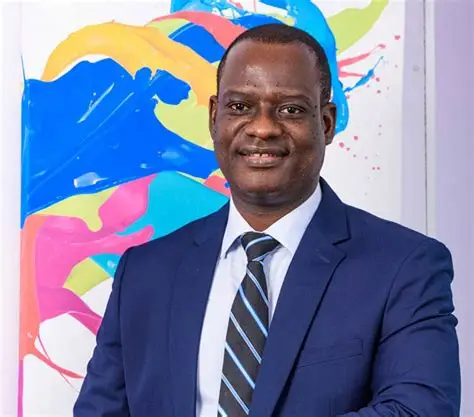
Edun’s major reforms, such as removing fuel subsidies, restructuring taxes, and stabilising inflation, are now overshadowed by questions about transparency. Now, Taiwo Oyedele steps in. He is known for his focus on fiscal discipline and reform.

Edun vs Oyedele: Two Styles, Two Legacies
Edun’s time in office was marked by political strategy and bold reforms that made headlines. He was viewed as a politician-economist who took risks, like removing subsidies and pushing for major tax changes.
However, he was often criticised for poor communication and a lack of transparency in the management of public funds.
Even though GDP grew from 2% to over 4% and inflation fell from 35% to 15%, these successes were overshadowed by claims of mismanagement and the belief that his reforms mostly helped the elite rather than everyday Nigerians.
In contrast, Oyedele is a technocrat. He is known for accuracy, openness, and practical decision-making. While Edun relied on political instincts, Oyedele prefers to base his choices on concrete information.
Edun’s reforms were bold but often divided opinion, while Oyedele’s approach is more systematic and focused on building agreement and trust.
Experts say this difference in style could be important for restoring trust, especially now when many Nigerians doubt government promises.
From Ondo to Oxford: Building a Technocrat
Oyedele was born in Ondo State in 1975. He studied accountancy and finance at Yaba College of Technology, then earned a degree in applied accounting from Oxford Brookes University.
He continued his education with executive programs at Harvard Kennedy School, Yale University, and the London School of Economics.
Colleagues remember his early years at PricewaterhouseCoopers (PwC), where he quickly stood out for his careful work on tax audits and fiscal advice. “Taiwo was the one who always asked: how does this policy affect the ordinary Nigerian?” said a former PwC partner.
Over twenty years, he became PwC’s Africa Tax Leader, managing operations in more than 30 countries and advising governments, international organisations, and private companies.
Reform Architect
Oyedele became well known when he led Nigeria’s Presidential Committee on Fiscal Policy and Tax Reforms. His main tasks were to simplify Nigeria’s complex tax system, increase government revenue, and make things easier for ordinary people.
He worked to harmonise taxes, move collections online, and create policies that would help small businesses comply more easily.
Insiders often mention his strong focus on openness during committee meetings. “He would not approve any proposal without clear information and results you could see,” recalled one committee member. His habit of relying on what’s happening on the ground won him respect from people in all parties.
Perspectives from Analysts and Colleagues
Economic experts have welcomed his appointment. One said, “Oyedele’s experience with tax reform and open reporting is just what Nigeria needs to win back investor trust.”
A former PwC colleague called him “a careful strategist who understands both the technical and political dimensions of fiscal policy.”
International partners have noticed his work as well. A World Bank official said, “Oyedele has the credibility to reassure global markets. His experience across Africa gives him a particular perspective on balancing reform with community impact.”
The Intimidating Challenges Ahead
Oyedele faces tough challenges. Ongoing inflation is reducing what households can afford, subsidy removal is putting more financial pressure on people, and tax reforms need to be balanced to support growth.
He also needs to secure funding and make sure capital projects are delivered, all while dealing with concerns about mismanagement.
On the international stage, Oyedele needs to show lenders and investors that Nigeria is still committed to fiscal discipline and transparency. At home, he must prove that reforms bring real benefits to citizens, not just improvements in financial statistics.
The First 100 Days
Oyedele’s first 100 days will be crucial. Achieving early results in controlling inflation, making progress on capital projects, and clearly explaining fiscal reforms could help restore trust.
His background as a technocrat suggests he will act with common sense and practicality. Still, what matters most is whether he can turn his knowledge into real help for families and build good relationships with international partners.
Outlook
In summary, Oyedele’s step from tax reform adviser to Nigeria’s chief economic official comes at a key moment. His years of pushing for clear government reporting, better tax policies, and strong relationships abroad fit the urgent need to steady the economy, restore confidence, and support Tinubu’s Renewed Hope Agenda.
The difference between his style and Edun’s highlights what is at stake: Nigeria’s economic future may depend not just on bold reforms, but on whether a technocrat can rebuild trust in a system shaken by scandal.