Table of Contents
TheDigger Intelligence Unit
A medicine first used decades ago to treat sleeping sickness is now giving hope to children with one of the world’s rarest genetic disorders. Researchers think that difluoromethylornithine (DFMO) could help ease symptoms of Bachmann-Büpp Syndrome (BABS), which has fewer than 30 known cases worldwide.
Turning Back the Clock: An Old Drug’s New Mission
DFMO, also called eflornithine, was first used to treat West African sleeping sickness, which is spread by the tsetse fly.
It has also helped prevent neuroblastoma relapse and reduce facial hair. Now, scientists at Corewell Health, Michigan State University, and Every Cure are testing it for BABS. Early trials following FDA rules have shown promising improvements, but there are still regulatory challenges.

Inside Bachmann-Büpp Syndrome: A Rare Genetic Puzzle
BABS happens because of changes in the ODC1 gene that make an enzyme too active, causing a buildup of certain chemicals in the body.
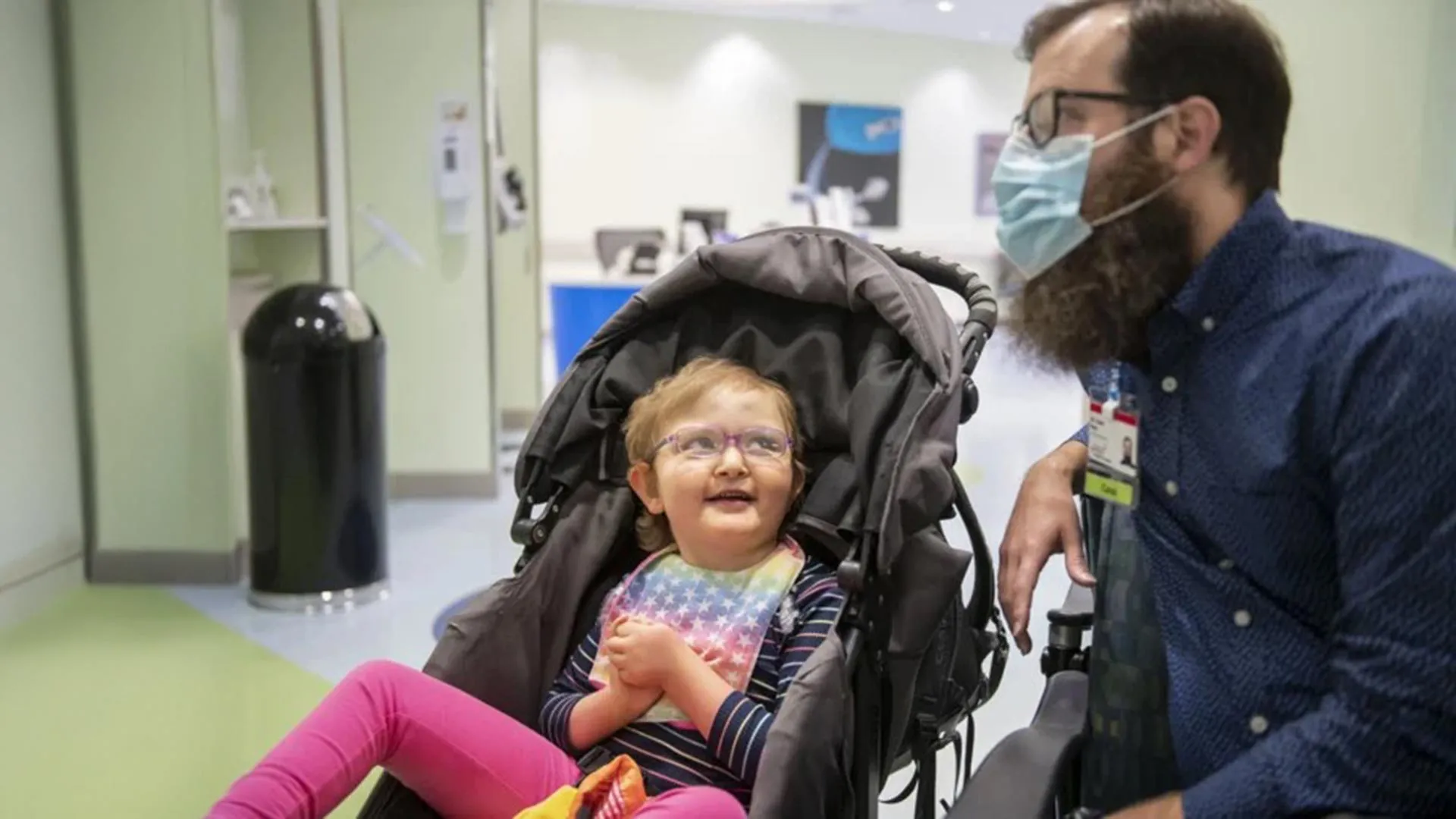
Children with BABS can have serious developmental delays, weak muscles, hair loss, trouble eating, seizures, and behavioral issues like ADHD or autism.
Doctors use genetic tests and special lab work to diagnose it, but because the condition is so rare, families often wait a long time for answers.
A Targeted Solution: How DFMO Fights BABS
DFMO works by blocking the overactive enzyme caused by the faulty gene in BABS. In the few patients treated so far, this has led to better muscle tone, developmental gains, and other improvements.
Dr André Bachmann from Michigan State University, who helped discover BABS, said that meeting Dr Caleb Bupp by chance led to the first patient getting the drug. Since then, five more children have tried it, and the early results look promising.
Real Lives, Real Hope
For families living with BABS, DFMO is more than just a scientific advance. It offers hope where there was none before.
“They are opening doors we never would have been able to crack open. It’s a hopeful and exciting time for our patients,” said Dr Bupp, a pediatric geneticist at Corewell Health Helen DeVos Children’s Hospital. Because there are so few cases worldwide, every bit of progress matters a lot.
Hurdles on the Road to a Cure
Even though DFMO shows promise, it is not approved by the FDA for BABS. Each patient must get special permission, and researchers still face rules and other challenges.
Working with Every Cure helps move things forward, but it will take time before the drug is widely available.
Repurposed Medicines: Faster Hope for the Rare Few
DFMO’s story shows why finding new uses for old medicines is important. Making new drugs can take decades and cost a lot, but repurposing existing ones is quicker and less expensive.
For very rare diseases like BABS, where big investments are unlikely, this might be the only realistic way to find a treatment.
Looking Forward: Old Drugs, New Possibilities
While there are still challenges, DFMO’s ability to help with BABS shows that solutions to tough medical problems can sometimes come from older drugs.
For families affected by BABS, this medicine could change their children’s lives.