

Table of Contents
The glass ceiling is cracking worldwide. Across continents, women are stepping into top leadership roles and changing the course of history. Although the fight for equality continues, the growing number of women leaders marks a major shift in global politics, TOYE FALEYE writes.
This shift is not only about numbers; it represents decades of struggle, advocacy, and gradual change. In the early twentieth century, only a handful of women held top political offices globally.
Today, according to the Inter-Parliamentary Union, women hold approximately 28% of parliamentary seats worldwide, and over 30 countries have been led by a female head of state or government. While progress is uneven—with Nordic countries leading and others still lagging—the upward trajectory is undeniable.
Barriers remain, including gender bias, societal expectations, and challenges in balancing professional and personal life. Despite these obstacles, women continue to break through by leveraging education, building strong networks, and advocating for systemic reforms.
Many leaders attribute their success to mentorship and support from both women and men who champion gender equality. Latin America’s Breakthroughs
In Latin America, Claudia Sheinbaum made history in Mexico in 2024 as the country’s first female president and first Jewish leader. Her landslide victory marks a turning point in a political scene that men have long dominated.

Iceland’s Feminist Legacy. Iceland is known in Northern Europe for its feminist leadership. Katrín Jakobsdóttir, the former prime minister, supported feminism and environmentalism until 2024.
That year, Kristrún Frostadóttir became the youngest prime minister in Iceland’s history, and Halla Tómasdóttir took office as president, becoming only the second woman to hold that position.
Europe’s Firsts and Fierce Voices
In Italy, Giorgia Meloni became the country’s first female prime minister in 2022, leading a far-right government that sparked debate across Europe.
In Denmark, Mette Frederiksen has been a steady leader in Scandinavian politics since her election in 2019. In Brussels, Ursula von der Leyen holds significant influence as President of the European Commission, guiding the EU through challenging times.
In the Caribbean, Barbados made headlines in 2021 when Sandra Mason became its first president, ending centuries of colonial ties. Prime Minister Mia Mottley, working with her, has become a global advocate for climate change and has raised the Caribbean’s profile in international discussions about resilience.
Asia-Pacific Icons
The Asia-Pacific region has seen big changes, too. In New Zealand, Jacinda Ardern was praised around the world for her compassionate leadership during the pandemic, managing both her job and motherhood.
In Japan, Sanae Takaichi made history in October 2025 as the first female prime minister and the first woman to lead the ruling Liberal Democratic Party, showing a shift in a region where men have long held power.
North America’s Milestones
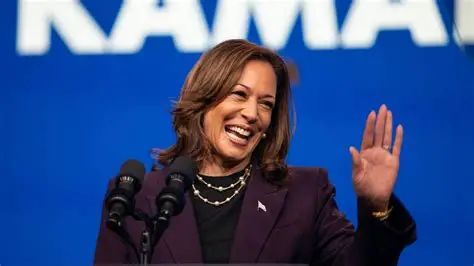
In the United States, Kamala Harris broke barriers as the first female vice president and the first Black and South Asian woman to run for president.
In Canada, Julie Payette served as governor general, and in Belgium, Sophie Wilmès became the first woman to lead the country’s government.
Africa Not Left Behind
Africa is also experiencing a shift in leadership. In Ethiopia, Sahle-Work Zewde became the country’s first female president in 2018 and served until 2024. She focused on stabilising the country during difficult times and remains a symbol of progress in East Africa.
Southern Africa is another example of growing female leadership. In Namibia, Saara Kuugongelwa became the first female prime minister in 2015 and served until 2025.
After her, Netumbo Nandi-Ndaitwah was elected as Namibia’s first female president in March 2025, strengthening the country’s reputation as a leader in gender equality.
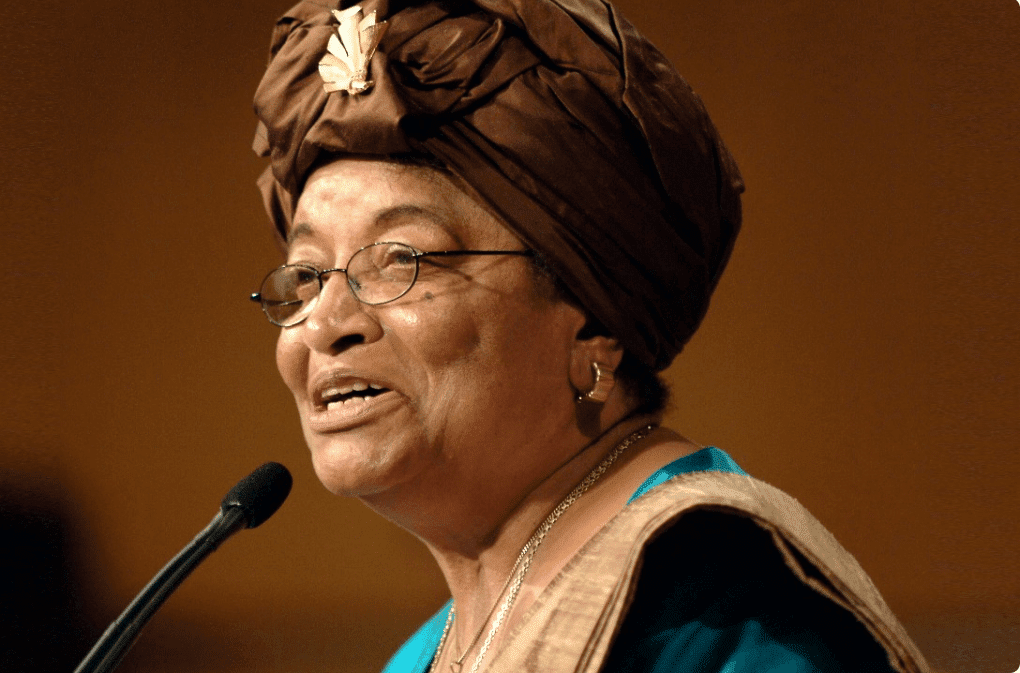
In other parts of Africa, Ellen Johnson Sirleaf of Liberia is still seen as an iconic leader. She served from 2006 to 2018 as Africa’s first elected female head of state and won the Nobel Peace Prize for helping rebuild Liberia after civil war.
In Malawi, Joyce Banda became the country’s first female president in 2012. She focused on economic reform and women’s empowerment, leaving a legacy that continues to inspire people today.
Together, these women show that Africa is both part of and a leader in the global rise of female leadership. Their stories contribute to a larger narrative of strength, representation, and new ways of governing. Leaders like Sirleaf and Banda have advocated for education, healthcare, and peacebuilding, directly impacting policy and inspiring younger generations. The intersection of gender with race, class, and culture adds complexity to their journeys—a reminder that each woman’s path to power is unique.
Personal Stories and Outlook
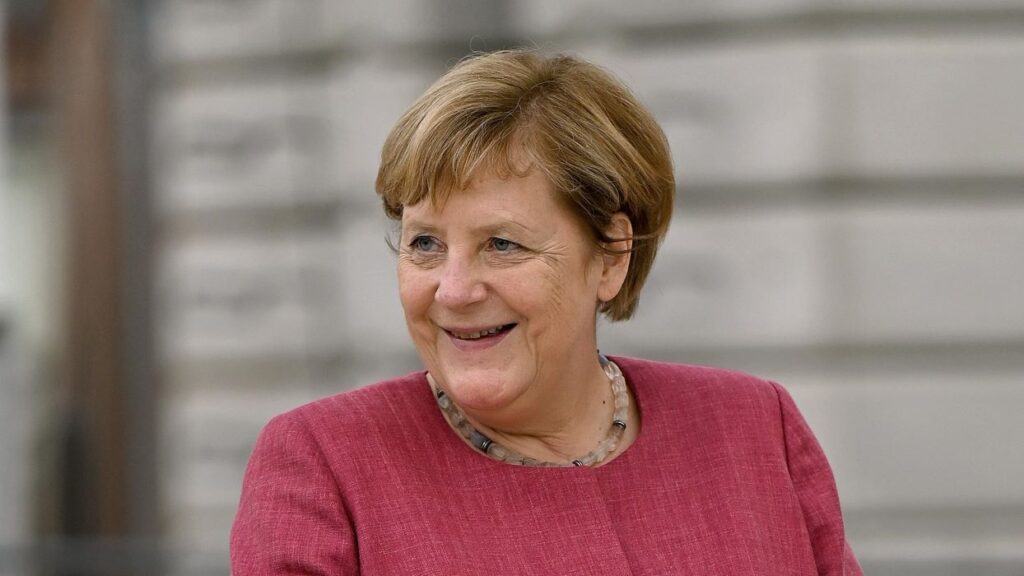
From Angela Merkel’s long time in office in Germany to Liz Truss’s short term in the UK, and from Paula-Mae Weekes in Trinidad and Tobago to Salome Zourabichvili in Georgia, these women’s stories go beyond politics.
They are about persistence, representation, and changing history. As Jacinda Ardern once said, “One of the criticisms I’ve faced over the years is that I’m not aggressive enough or assertive enough, or maybe somehow, because I’m empathetic, I’m weak.
I totally rebel against that. I refuse to believe that you cannot be both compassionate and strong.” Such personal reflections reveal the evolving nature of leadership today.
The global trend is clear. Women are achieving new milestones, leading at younger ages, supporting climate justice, and guiding countries through tough times.
Even short-term or symbolic roles help make women in leadership feel more normal. International organisations, such as the United Nations, continue to push for greater female representation through initiatives like the Sustainable Development Goals.
The future will depend on further breaking down systemic barriers, expanding mentorship opportunities, and fostering a new generation of diverse female leaders.
The glass ceiling may not be gone, but it is cracking, and more and more women are taking the lead.