

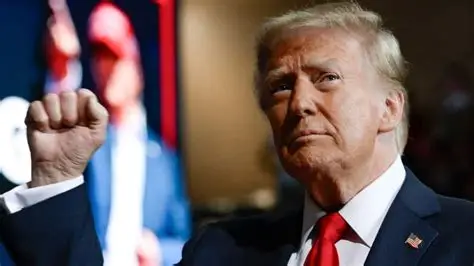
The main result of the latest talks between the United States and Iran is a proposed 60-day extension of the ceasefire and the possible start of nuclear discussions, if President Donald Trump agrees.
The talks are now less about nuclear weapons and more about reopening key trade routes and reducing economic pressure. While Tehran says there is no final agreement, U.S. officials say both sides are closer together than before.
Vice President JD Vance called the talks “quite positive.” He said negotiators are working on the details, and Iran appears to be taking part seriously.
According to Axios, the main part of the deal is to restore safe passage through the Strait of Hormuz. Iran would remove mines within 30 days, and the U.S. would slowly lift its maritime counter-blockade.

Commercial shipping would resume without tolls, which could provide Iran with important economic support.
In exchange, Washington is ready to release up to $12 billion in frozen Iranian funds for humanitarian purposes.
Gulf countries such as Qatar and Oman would help make these funds available. Talks also mention a much larger $300 billion reconstruction fund, but the details are still being worked out.
The draft deal clearly states that Iran must give up nuclear weapons. Managing enriched uranium will be the main topic during the 60-day period. the way forward. President Trump has delayed signing and is consulting allies such as Israel.
Iran’s Tasnim News Agency dismissed reports of imminent agreement. It insists that no document has been finalised. Pakistan’s foreign minister, a key mediator, is scheduled to meet U.S. Secretary of State Marco Rubio.
Experts warn that even if the deal is signed, it could just lead to more extensions. By focusing on reopening the Strait and putting off harder nuclear issues, the agreement might reduce U.S. leverage and help Iran’s economy.
With the war lasting over three months and midterm elections coming up, some experts worry about another risk. Tehran might think Washington does not want to restart military action, which leaves questions about what will happen after the 60-day clock runs out.