As the Super Eagles watch from home, Davido prepares to open FIFA’s biggest tournament while Burna Boy’s voice powers its official song — a striking contrast between Nigeria’s sporting failure and its cultural ascent. KEHINDE ADEGOKE writes.
The Super Eagles will not be at the 2026 FIFA World Cup. Davido will.
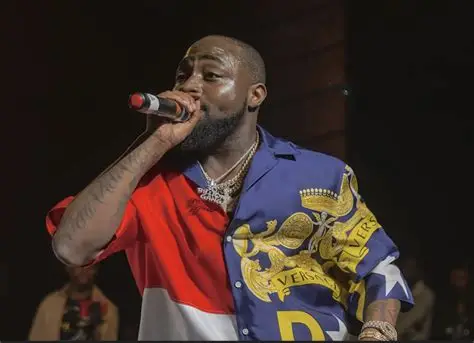
On June 10, one day before the tournament opens across the United States, Canada and Mexico, the Nigerian superstar will step onto the stage at Los Angeles’ Crypto.com Arena before millions of viewers worldwide. In a World Cup without Nigeria on the pitch, one of its biggest cultural exports will help open the show.
He will not be there by accident.

His confirmation as a headlining act for FIFA’s official Countdown Concert in Los Angeles — alongside Diplo’s Major Lazer, in a Grammy-partnered, TikTok-livestreamed event spanning three host nations simultaneously — is the product of deliberate institutional calculation. And it lands with a sharp, almost painful irony that no Nigerian football administrator, no NFF press release, and no sympathetic pundit can soften: the Super Eagles will not be at this World Cup. Davido will.
Nigeria’s voice will open a tournament its boots could not reach.
The Institution Keeps Calling the Same Number
To understand why David Adeleke, popularly known as Davido, is in Los Angeles on June 10, you have to understand what FIFA is actually doing when it books artists for its flagship cultural events — and why it has now turned to Nigeria, specifically, twice in a row.
At the 2022 FIFA World Cup in Qatar, Davido became the first African artist to perform at a World Cup closing ceremony outside of Africa. That moment was not accidental either. FIFA chose him deliberately, inserted him into the most-watched football broadcast on earth, and watched him deliver.
He performed. The audience responded. The numbers held.
Now, with the 2026 World Cup being marketed as the tournament of unprecedented scale — 48 teams, three host nations, a $655 million prize fund that is 50 per cent larger than Qatar 2022 — FIFA has returned to the same well. This time, Davido is not at the closing ceremony. He is at the opening concert, the very event that sets the cultural tone before a single ball is kicked.
The booking architecture is telling. FIFA designed the Countdown Concert series as a first-of-its-kind synchronised live music experience, connecting all three host nations — Mexico City, Los Angeles, and Toronto — simultaneously on the same night. The Recording Academy, the body behind the Grammy Awards, is a co-organiser. TikTok is the exclusive global streaming partner. This is not a token gesture toward diversity. This is FIFA’s premium cultural real estate, and Davido has been placed at its centre.
The institutional logic is straightforward once you examine it: FIFA selects artists who have cross-continental audience reach, can serve as cultural bridges between Africa, the diaspora, and Western markets, and have a proven track record of delivering on the global stage without controversy. Davido checks every box. His streaming numbers span Nigeria, the UK, the United States, and across Europe. His fanbase in the Nigerian diaspora — concentrated in precisely the urban centres of North America that FIFA needs to activate for commercial and viewership purposes — is among the most engaged in Afrobeats.
And critically, he has stood on FIFA’s stage before and proved he belongs.
FIFA does not repeat experiments that fail. The fact that it is called Davido again — this time for a higher-profile slot — is itself a verdict on 2022.
Burna Boy Has the Anthem – Davido Will Open the Show
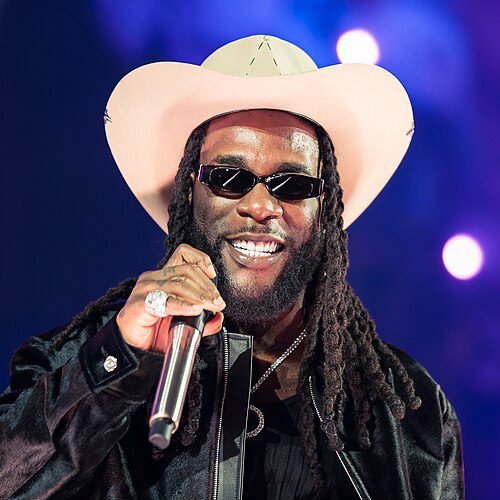
The cultural picture becomes even sharper when you pull back to see the full Nigerian presence at this tournament. Before Davido sets foot on the Crypto.com Arena stage, Burna Boy will already have his voice embedded in the DNA of the 2026 World Cup itself. The Grammy-winning Port Harcourt native co-wrote and performed Dai Dai, the official anthem of the 2026 FIFA World Cup, alongside Colombian superstar Shakira. It is the song the world will associate with this tournament from the opening week through to the final in New Jersey.
Consider what that means in aggregate: one Nigerian artist wrote and performed the tournament’s official song. Another Nigerian artist is headlining the official pre-tournament concert in the United States. At a World Cup produced by FIFA in partnership with the Recording Academy — the same body that certifies global music excellence through the Grammys — Nigeria has secured the two most prominent musical positions available.
This is not a coincidence. It is not charity. And it is not simply the organic rise of Afrobeats, though that rise is real and relevant. It is the result of a strategic alignment between what Nigerian artists have built, commercially and artistically, over the past decade and what FIFA now recognises as necessary to reach a global audience increasingly composed of the Nigerian diaspora.
When Shakira performed Waka Waka at the 2010 World Cup in South Africa, it marked a moment when FIFA acknowledged that African music had a place on its biggest stage — but the artist was Colombian, and the continent was more of a backdrop than a subject. Sixteen years later, the African artist is writing the song rather than providing the setting. Nigeria has moved from cultural scenery to cultural architecture.
The Record That Makes the Absence Sting
Here is where the full picture comes together into something Nigerian football administrators should be required to sit with, quietly, for a very long time.
Africa is sending a record 10 teams to the 2026 FIFA World Cup. The full list — Senegal, Morocco, Egypt, Ghana, Algeria, Tunisia, Côte d’Ivoire, Cape Verde, South Africa, and DR Congo — represents the continent’s largest-ever World Cup delegation. It is a historic milestone for African football, the product of FIFA’s expansion from 32 to 48 teams, and a vindication for CAF’s push for greater continental representation at the global level.
Nigeria Is Not On that List
The Super Eagles failed to qualify for a second consecutive World Cup — the first time Nigeria has suffered back-to-back absences since the country became a regular fixture at the tournament following their spectacular debut at USA ’94. Their road ended on November 16, 2025, in Rabat, Morocco, where DR Congo edged them 4-3 on penalties following a 1-1 draw in the African playoff final. The NFF pursued a legal challenge at FIFA, arguing DR Congo had fielded ineligible players. On March 4, 2026, when FIFA issued an accreditation notice confirming the six teams for the inter-confederation playoff, Nigeria’s name was absent. DR Congo was not.
The door closed not with a referee’s whistle but with a bureaucratic document from Zurich.
What preceded that final was grimly familiar: a qualifying campaign undermined by coaching instability, administrative dysfunction, a pre-match bonus strike two days before the Gabon semi-final, and the chronic inability of the NFF to honour basic financial commitments to its own players. Nigeria entered the playoffs carrying the weight of a continent’s expectation. They carried it onto a penalty spot and watched it collapse.
The financial consequences are substantial. With FIFA confirming a $655 million total prize fund and a guaranteed minimum of $9 million per qualified team — plus $1.5 million in preparation costs — Nigeria’s failure to qualify has cost the federation a guaranteed $10.5 million, approximately ₦15.5 billion at current exchange rates. For a federation that has repeatedly delayed player bonuses, failed to pay technical staff, and struggled to maintain basic infrastructure, that is not an abstract figure.
Africa has its best-ever representation at the World Cup. Nigeria is watching from the outside.
Two Nigerias, One Tournament
What the 2026 FIFA World Cup has produced, entirely without planning or irony on FIFA’s part, is a split-screen portrait of Nigeria as a nation.
On one screen: the Super Eagles, absent for the second consecutive time, their campaign reduced to post-mortem analysis of penalty shootout psychology and governance failure. Victor Osimhen — one of the most complete strikers in world football — will not be at this tournament. Ademola Lookman will not be there. Victor Boniface will not be there. Nigeria, a country of about 242 million people in 2026, home to some of the most gifted footballers on earth, will play friendlies against Portugal and Poland while 10 other African nations compete on the grandest stage in world sport.
On the other screen: Davido at Crypto.com Arena. Burna Boy‘s voice in the official anthem. Nigerian culture — its rhythm, its language, its aesthetic — woven into the fabric of the biggest World Cup in history.
The contrast is not merely symbolic. It is diagnostic. It tells you something precise about where Nigerian institutions succeed and where they fail; where organic talent and commercial discipline produce results, and where structural dysfunction reliably squanders them.
Nigerian music succeeded at this World Cup because it operated in a competitive, commercially accountable environment where talent determined outcomes.
Davido earned his FIFA slots through performance, delivery, and global audience reach. Burna Boy earned the anthem credit through decades of craft and a Grammy-certified global profile. No intervention was required. No appeal was necessary. FIFA called because the market said to call.
Nigerian football failed at this World Cup for the opposite reasons. Not because of a shortage of talent — the roster that lost to DR Congo in Rabat was objectively gifted — but because the institutional infrastructure surrounding that talent has spent years perfecting the art of converting potential into dysfunction. Bonus disputes. Coaching instability. Federation politics. Legal appeals that go nowhere. A pattern so consistent that it has become the defining characteristic of Nigerian football administration.
What FIFA’s Calculus Reveals
There is one more dimension to this story that deserves serious analytical attention: what FIFA’s repeated turn to Nigerian artists reveals about the continent’s shifting position in the global cultural economy.
When FIFA partnered with the Recording Academy to design the 2026 Countdown Concert series, the brief was to reflect the cultural identities of the three host nations while projecting a global reach that would drive viewership, streaming numbers, and commercial activation. Mexico City has Los Ángeles Azules, Belinda, and Elena Rose — cumbia and Latin pop that speak directly to the Mexican and Latin American audience. Toronto got Bryan Adams, Wyclef Jean, and Nora Fatehi — a deliberately multicultural lineup that mirrors Canada’s demographic makeup. Los Angeles got Major Lazer and Davido.
That Los Angeles booking is significant beyond the stage. Los Angeles is home to one of the largest Nigerian diaspora communities in the United States. It is also, commercially, the entertainment capital of the world. FIFA placed Afrobeats — and specifically a Nigerian Afrobeats artist — at the centrepiece of its US cultural programme. That is a commercial and demographic calculation, not a sentimental one.
It reflects a broader reality that the global entertainment industry has been processing for several years now: African music, and Nigerian music in particular, is no longer a niche export. It is a mainstream global product with measurable audience depth across North America, Europe, and beyond. Streaming data from Spotify, Apple Music, and YouTube consistently show Afrobeats among the fastest-growing genres globally, with Nigerian artists — Davido, Burna Boy, Wizkid, Rema — leading the way in penetrating non-African markets.
FIFA reads data. The Recording Academy reads data. When both institutions arrive at the same conclusion — that a Nigerian artist belongs at the centre of the world’s biggest sporting event — they are responding to commercial signals, not making cultural gestures.
A Nation That Arrives in Parts
The 2026 FIFA World Cup opens on June 11. Nigeria will not have a team in it. But it will have a voice before it begins, an anthem running through it, and a cultural presence that no other absent nation can claim.
There is no clean resolution to the dissonance this creates. Nigerian football’s governance failures are real, documented, and costly. The Super Eagles’ absence is not a minor administrative inconvenience — it is a structural indictment of an institution that has consistently failed the talent it was built to serve. Two consecutive World Cup absences for a nation with Nigeria’s football history and population should trigger reform at the deepest levels of the NFF. Whether it will is a different question.
But the dissonance itself is instructive. Nigeria is a country that consistently produces world-class talent — in music, in sport, in literature, in technology — and consistently finds ways to let institutional failure devour the product before it reaches its full potential. When the institutions are removed from the equation, as they are in music, where artists build their own careers, and FIFA selects them on merit, Nigeria performs at the highest level. When the institutions are central to the outcome, as they are in football, the results are painfully predictable.
On June 10, Davido will perform at Crypto.com Arena. The world will watch.
And somewhere in Nigeria, football administrators will still be explaining what went wrong in Rabat.
Both of those things will be true at the same time.
That is Nigeria’s World Cup 2026.
𝐊𝐞𝐡𝐢𝐧𝐝𝐞 𝐀𝐝𝐞𝐠𝐨𝐤𝐞 𝐢𝐬 𝐚𝐧 𝐚𝐰𝐚𝐫𝐝-𝐰𝐢𝐧𝐧𝐢𝐧𝐠 𝐢𝐧𝐯𝐞𝐬𝐭𝐢𝐠𝐚𝐭𝐢𝐯𝐞 𝐣𝐨𝐮𝐫𝐧𝐚𝐥𝐢𝐬𝐭 𝐰𝐢𝐭𝐡 𝐦𝐨𝐫𝐞 𝐭𝐡𝐚𝐧 𝟏𝟓 𝐲𝐞𝐚𝐫𝐬 𝐨𝐟 𝐝𝐢𝐬𝐭𝐢𝐧𝐠𝐮𝐢𝐬𝐡𝐞𝐝 𝐞𝐱𝐩𝐞𝐫𝐢𝐞𝐧𝐜𝐞 𝐞𝐱𝐩𝐨𝐬𝐢𝐧𝐠 𝐬𝐭𝐨𝐫𝐢𝐞𝐬 𝐭𝐡𝐚𝐭 𝐦𝐨𝐮𝐥𝐝 𝐩𝐮𝐛𝐥𝐢𝐜 𝐝𝐢𝐬𝐜𝐨𝐮𝐫𝐬𝐞. 𝐖𝐢𝐭𝐡 𝐭𝐡𝐫𝐞𝐞 𝐢𝐧𝐝𝐮𝐬𝐭𝐫𝐲 𝐧𝐨𝐦𝐢𝐧𝐚𝐭𝐢𝐨𝐧𝐬 𝐭𝐡𝐫𝐨𝐮𝐠𝐡𝐨𝐮𝐭 𝐝𝐢𝐯𝐞𝐫𝐬𝐞 𝐛𝐞𝐚𝐭𝐬, 𝐡𝐞 𝐡𝐚𝐬 𝐞𝐚𝐫𝐧𝐞𝐝 𝐫𝐞𝐜𝐨𝐠𝐧𝐢𝐭𝐢𝐨𝐧 𝐟𝐨𝐫 𝐟𝐞𝐚𝐫𝐥𝐞𝐬𝐬 𝐫𝐞𝐩𝐨𝐫𝐭𝐢𝐧𝐠, 𝐢𝐧𝐜𝐢𝐬𝐢𝐯𝐞 𝐚𝐧𝐚𝐥𝐲𝐬𝐢𝐬, 𝐚𝐧𝐝 𝐚 𝐜𝐨𝐦𝐦𝐢𝐭𝐦𝐞𝐧𝐭 𝐭𝐨 𝐚𝐜𝐜𝐨𝐮𝐧𝐭𝐚𝐛𝐢𝐥𝐢𝐭𝐲. 𝐀𝐬 𝐌𝐚𝐧𝐚𝐠𝐢𝐧𝐠 𝐄𝐝𝐢𝐭𝐨𝐫 𝐚𝐧𝐝 𝐂𝐄𝐎 𝐨𝐟 𝐓𝐡𝐞𝐃𝐢𝐠𝐠𝐞𝐫𝐍𝐞𝐰𝐬.𝐜𝐨𝐦, 𝐀𝐝𝐞𝐠𝐨𝐤𝐞 𝐥𝐞𝐚𝐝𝐬 𝐚 𝐩𝐢𝐨𝐧𝐞𝐞𝐫𝐢𝐧𝐠 𝐧𝐞𝐰𝐬𝐫𝐨𝐨𝐦 𝐝𝐞𝐝𝐢𝐜𝐚𝐭𝐞𝐝 𝐭𝐨 𝐞𝐱𝐩𝐨𝐬𝐢𝐧𝐠 𝐮𝐧𝐬𝐞𝐞𝐧 𝐭𝐫𝐮𝐭𝐡𝐬, 𝐚𝐦𝐩𝐥𝐢𝐟𝐲𝐢𝐧𝐠 𝐦𝐚𝐫𝐠𝐢𝐧𝐚𝐥𝐢𝐬𝐞𝐝 𝐯𝐨𝐢𝐜𝐞𝐬, 𝐚𝐧𝐝 𝐞𝐬𝐭𝐚𝐛𝐥𝐢𝐬𝐡𝐢𝐧𝐠 𝐧𝐞𝐰 𝐬𝐭𝐚𝐧𝐝𝐚𝐫𝐝𝐬 𝐢𝐧 𝐢𝐧𝐯𝐞𝐬𝐭𝐢𝐠𝐚𝐭𝐢𝐯𝐞 𝐣𝐨𝐮𝐫𝐧𝐚𝐥𝐢𝐬𝐦.
𝐓𝐡𝐞𝐃𝐢𝐠𝐠𝐞𝐫𝐍𝐞𝐰𝐬.𝐜𝐨𝐦 | 𝐰𝐰𝐰.𝐭𝐡𝐞𝐝𝐢𝐠𝐠𝐞𝐫𝐧𝐞𝐰𝐬.𝐜𝐨𝐦 | 𝟎𝟖𝟎𝟑𝟗𝟏𝟑𝟓𝟒𝟕𝟐 | 𝐈𝐛𝐚𝐝𝐚𝐧, 𝐍𝐢𝐠𝐞𝐫𝐢𝐚
editor@thediggernews.com