

By Aremo Sehinde Ilegbusi
Nigeria’s persistent struggle with insecurity has become one of the defining challenges of the Fourth Republic. Despite enormous budgetary allocations, military deployments, and repeated assurances from government officials, insurgency, banditry, kidnapping, and other violent crimes continue to threaten lives, livelihoods, and national cohesion. For many Nigerians, the central issue is not the capability of the country’s security institutions, but the quality of political leadership, the consistency of government policy, and the willingness to confront difficult truths.
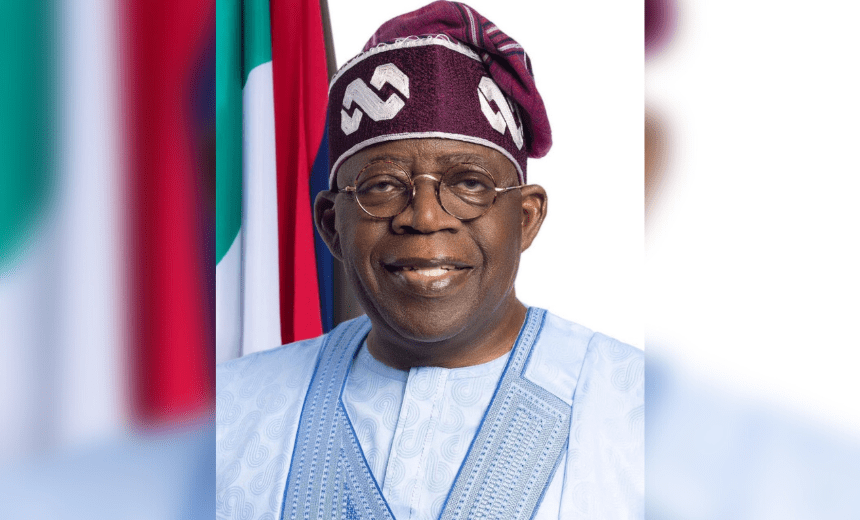
A recurring criticism of the administration of President Bola Ahmed Tinubu is the perception that governance is being conducted through a network of political loyalists, associates, and allies rather than through a system driven primarily by merit and national interest. Critics point to the appointment of close associates, political supporters, and individuals connected to established power structures into strategic positions within government. Whether fair or not, such perceptions fuel public suspicion that political patronage often takes precedence over competence and broad national representation.
Beyond appointments, many citizens have expressed concern about what they regard as a lack of decisive action against those who finance and sustain insecurity. Over the years, Nigerians have repeatedly heard claims that intelligence agencies possess information about sponsors of terrorism, banditry, and insurgency. Yet, very few prominent individuals have been publicly identified, prosecuted, and punished. This disconnect between intelligence claims and visible action has led many to question whether the state is genuinely committed to confronting the powerful interests behind violent groups.

One of the most troubling aspects of the security crisis is the seeming boldness with which criminal groups operate. The circumstances surrounding the death of the late General Rabe Abubakar, rtd. His captors brought his corpse from their hideouts in the forest to the receiving hands of a high government delegation. The bandits leisurely disappeared into the forest- no arrest by security agencies. Adding insult to injury was the allegation that the Katsina state government concocted excuses exonerating the bandits from his death; that the retired general didn’t die as a result of his kidnapping but through natural causes. Whether every account is fully verified or not, such stories contribute to a growing perception that armed groups can sometimes act with impunity even in the presence of state authority.
For many Nigerians, the very idea that heavily armed insurgents could emerge from forest hideouts, enter populated areas, participate in public activities, and return to their bases without interception is deeply disturbing. It raises difficult questions about intelligence gathering, operational effectiveness, and the overall strategy being employed to combat insurgency. Citizens naturally wonder how groups designated as enemies of the state are able to maintain such freedom of movement despite years of military operations.
Another controversial issue is the role played by intermediaries and negotiators who have maintained contact with insurgent and bandit groups. Sheikh Ahmad Gumi, for example, has on several occasions publicly engaged with bandits and advocated dialogue as a means of resolving conflict. To his supporters, these engagements represent attempts at mediation and peacebuilding in situations where military action alone has not produced lasting results.
However, critics see the matter differently. They argue that anyone maintaining extensive contact with violent groups should be subject to rigorous scrutiny by security agencies. From this perspective, questions naturally arise about the nature, extent, and purpose of such relationships. The fact that public interactions with armed groups have not always resulted in visible investigations has led some Nigerians to demand greater transparency from security authorities. While engagement and negotiation may have a role in conflict resolution, critics contend that public confidence requires clear explanations and accountability.
Historical comparisons further shape public perceptions of the government’s response to insecurity. Many Nigerians remember the military operations carried out in Odi, Bayelsa State, during the administration of President Olusegun Obasanjo following the killing of security personnel. Likewise, the military response in Zaki Biam, Benue State, after the killing of Nigerian soldiers remains one of the most controversial episodes in the country’s democratic history. In both cases, the state’s reaction was swift, overwhelming, and devastating for the affected communities.
These precedents lead some citizens to ask why the same level of determination appears absent in the fight against insurgents and bandits who have killed thousands of civilians and security personnel over the years. Whether such comparisons are entirely appropriate is open to debate, given the different nature of the conflicts involved. Nevertheless, they highlight a widespread perception that the state has not always applied its coercive power with equal intensity across different security challenges.
The administration of former President Goodluck Jonathan is also frequently referenced in discussions about insecurity. During his tenure, military operations against Boko Haram intensified, and emergency measures were introduced in affected states. Supporters of Jonathan argue that his government was beginning to achieve meaningful progress before political opposition, media criticism, and international pressure complicated the effort.
At the time, allegations of human rights abuses by security forces attracted significant international attention. Some Western nations imposed restrictions on arms sales and military cooperation, citing concerns about how the weapons might be used. Critics of those decisions argue that such restrictions weakened Nigeria’s ability to prosecute the war against insurgents effectively. They maintain that a nation facing an existential security threat should have been supported rather than constrained.
This raises a broader and more controversial question: to what extent has the international community contributed, intentionally or unintentionally, to Nigeria’s security challenges? There is no doubt that many foreign governments and international organisations have provided humanitarian assistance, intelligence cooperation, training, and support to Nigeria. Yet critics argue that certain policies adopted by external actors may have hindered rather than helped the country’s fight against insurgency.
The answer is unlikely to be simple. The international community had legitimate concerns about human rights, accountability, and adherence to international law. At the same time, Nigeria has legitimate concerns about obtaining the resources necessary to defend its citizens and territorial integrity. Balancing these competing considerations remains one of the enduring dilemmas of modern counterinsurgency operations.
Ultimately, the central issue remains one of leadership and political will. Many Nigerians do not believe that the military itself is the principal problem. They argue that the armed forces, despite their challenges, have the capacity to significantly reduce insecurity if provided with adequate resources, intelligence, and equipment, as well as consistent political support. According to this view, what is lacking is not manpower but the determination to pursue victory without compromise.
Those who hold this perspective often insist that President Tinubu still has an opportunity to alter the course of events. They acknowledge his political experience, organisational ability, and influence, but contend that these strengths must be directed toward national rather than factional objectives. They argue that Nigeria requires leadership rooted in the principles of Omolúàbí—integrity, fairness, courage, accountability, and service to the common good.
The fight against insecurity cannot be won through rhetoric alone. It requires confronting sponsors of violence, dismantling illegal mining networks that finance criminality, improving intelligence gathering, strengthening military capabilities, and ensuring that justice is applied consistently regardless of status or political connections. It also requires honest reflection on the roles played by domestic political actors and international stakeholders alike.
For many Nigerians, the country’s future depends less on discovering new solutions than on finding the courage to implement existing ones. The resources, institutions, and human capacity needed to restore security already exist. The lingering question is whether those entrusted with power possess the resolve to place the interests of the nation above every other consideration. Only time will provide the answer.