

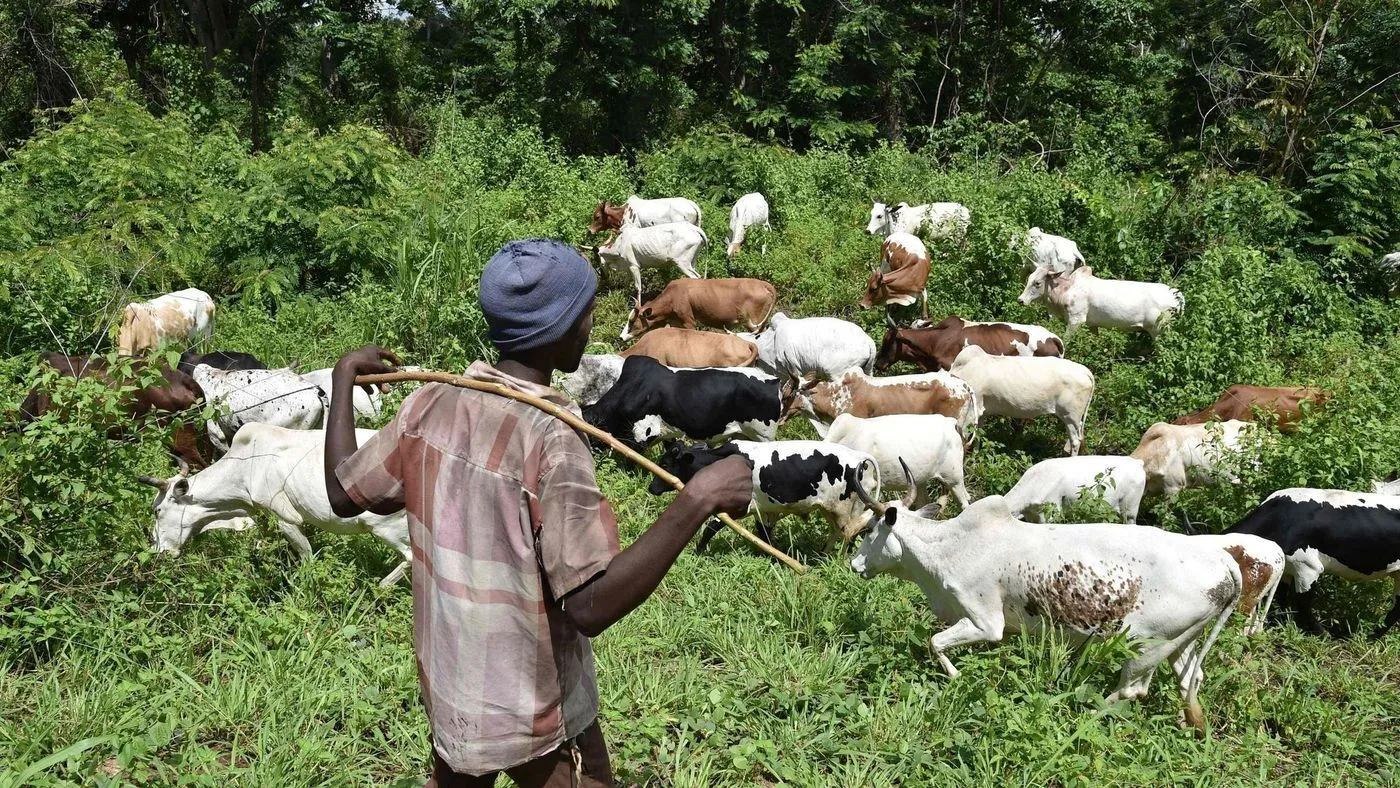
Jalingo: A cross-section of stakeholders in the farmers-herders conflict mitigation in Taraba have sought the re-identification of grazing reserves and cattle routes in the state.
Alhaji Ibrahim Barewa, Taraba Chairman of Miyetti Allah Cattle Breeders Association of Nigeria (MACBAN), made the revelation on Monday at a Stakeholders Engagement/Town Hall Meeting organised by the National Orientation Agency (NOA) in Taraba.
The meeting was a step toward national cohesion, development, and unity—a conference to Combat insurgencies, banditry, extremism, youth restiveness, and herders-farmers conflict.
Barewa expressed concern that human activities led to the encroachment on grazing routes and reserves, which had been established since the precolonial era.

He said that such had brought a tremendous challenge to herders, who found it difficult to even move from one location to the other.
He also encouraged security agencies to check the movement of arms, arrest and prosecute herders carrying weapons to foment trouble.
He, however, noted that politicians were taking advantage of the rotten eggs among the herders to cause a crisis.
Alhaji Salisu Kumba, the Chairman of the All Farmers Association of Nigeria (AFAN) in Taraba, called on the state government to preserve grazing reserves and cattle routes as measures to restore peaceful coexistence between farmers and herders.
Kumba noted that both farmers and herders were peaceful and not troublemakers, identifying politicians as those fueling conflicts between them.
He called on the state government to establish the herders-farmers Commission, which would be tasked with mediating their conflicts.
Mr Mahmoud Abdullahi, Director of Livestock Services in the Taraba Ministry of Agriculture and Food Security, stated that the state has nine gazetted grazing reserves.
He noted that due to a lack of patronage on the grazing reserves and an increase in population and human activities, the routes had been tampered with.
He, however, said that the ministry was working towards the re-identification of those grazing reserves and cattle routes.
He also identified drug addiction amongst young herders as one of the factors leading them to go violent against farmers.
He gave assurance that the state government was doing everything possible to prevent future conflicts between the two groups.
Earlier, Mr Zakari Muhammad, Director of NOA in Taraba, stated that the nation was facing numerous security challenges that threatened the peace, stability, and development of the country.
Muhammad said that each region had its unique security challenge, ranging from extremism and banditry to Kidnapping, cattle rustling, herders-farmers clashes, and agitations for secession.
He said that the agency, having recognised the urgent need for a comprehensive strategy to promote national unity and ensure development across the country, proposed the Pathway to National Cohesion.
He stated that the initiative was designed to address the specific challenges faced by different zones and states in Nigeria, tailoring the campaign to the unique needs of each region.
“It is our firm belief at NOA that combating these challenges requires the adoption of a multifaceted approach that promotes national cohesion, development, and unity.
“We therefore urge stakeholders to commit to peaceful coexistence, recognise shared humanity and interest, support collaborative initiatives, joint projects and programmes benefiting both groups.
Representatives from security agencies, religious leaders, women’s groups, and youth organisations attended the meeting.