

Lagos: A labour expert, Mr Jamiu Akolade, says shifting the minimum wage from the exclusive to the concurrent list has both positive and negative implications.
Akolade, a Trustee of the Employment and Labour Lawyers Association of Nigeria (ELLAN), stated this in an interview on Tuesday in Lagos.
He said putting the minimum wage on the concurrent list would let states create wage laws suited to their economies, given varying financial strengths across states.
Akolade recalled that during the last wage review, wealthier states like Lagos managed better, while poorer states struggled to pay the previous ₦30,000 minimum wage.

He said the proposal would let states set wages they could afford. However, it might create disparities, with some states offering unsustainably low wages, opposed by the NLC.
According to him, states must provide fair, living wages to attract talent, as competitive pay is key to long-term state development.
“So, moving the wage to the concurrent list allows states to legislate salaries they can afford.
“The downside is that some states may set very low wages, harming workers — a concern the Nigeria Labour Congress (NLC) has strongly raised.
“However, from a worker’s view, this might encourage states to offer better pay, since labour often migrates to where wages are more attractive.
“That is why Lagos continues to attract people seeking better opportunities. States must bear this in mind when setting fair, living wages.
“Regardless of legislation, economic realities and available wage levels will ultimately shape the long-term success of each state,” he said.
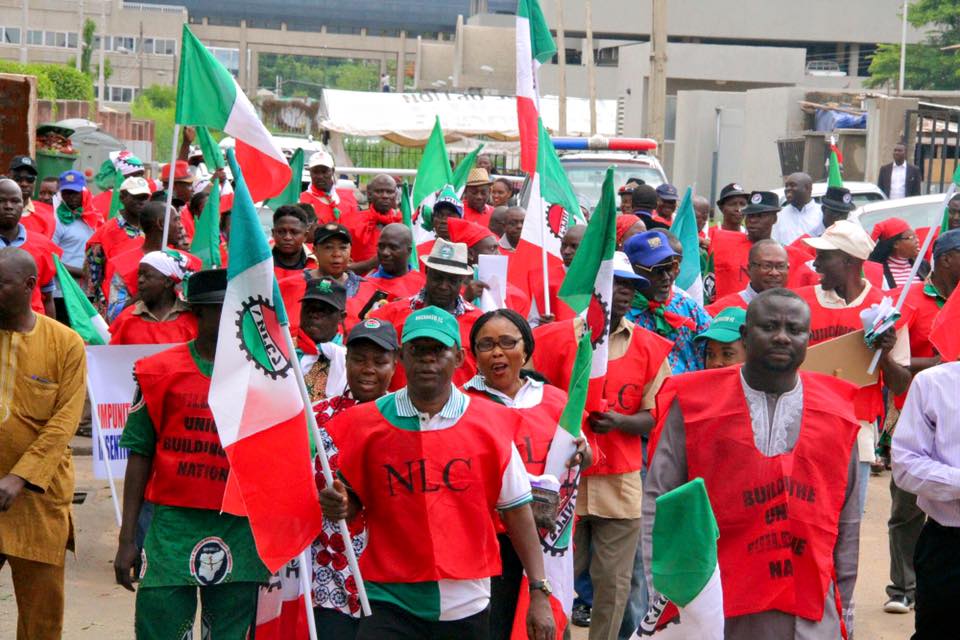
NLC has opposed moves by the National Assembly to shift labour matters, including minimum wage, from the exclusive to the concurrent legislative list.
NLC President, Mr Joe Ajaero, described the proposal as “an exercise in futility”.
Ajaero argued that minimum wage is globally treated as a national matter, under ILO conventions, which recognise countries, not sub-national entities like states.

