

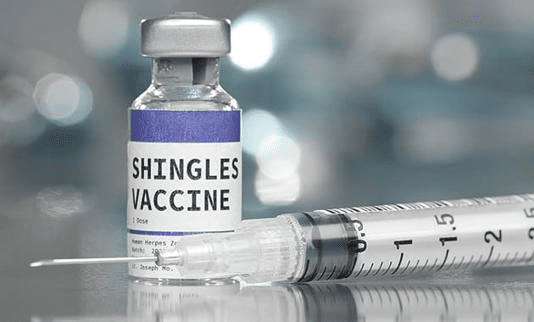
Oxford research shows shingles vaccine offers dual protection against disease and dementia
London: A groundbreaking study by researchers at the University of Oxford has revealed that shingles vaccines significantly reduce the risk of dementia, offering dual benefits by protecting against both shingles and cognitive decline.
Published in Nature Medicine, the large-scale study analyzed electronic medical records of 100 million Americans aged 50 and above who had no prior dementia diagnosis.
Participants were tracked for approximately nine years to assess the incidence of dementia in relation to shingles infection and vaccination.

The findings showed that individuals who suffered shingles two or more times had a 7–9 percent higher risk of developing dementia compared to those who contracted the virus only once.
In contrast, those who received shingles vaccines—whether live attenuated or recombinant protein types—experienced a 27–30 percent reduction in dementia incidence.
The protective effect was even stronger among individuals who received two or more doses, with benefits lasting up to a decade after vaccination.
Scientists explained that the shingles virus, also known as herpes zoster, can invade spinal nerves and reactivate asymptomatically.
Once inside the nervous system, it may trigger latent herpes simplex viruses, leading to increased beta-amyloid and hyperphosphorylated tau proteins—both linked to dementia.
The study underscores the importance of vaccination, not only in preventing the painful blistering lesions and nerve damage caused by shingles, but also in reducing the long-term risk of dementia.
Researchers say the results provide compelling evidence for expanding vaccine coverage among older adults as part of broader public health strategies.