
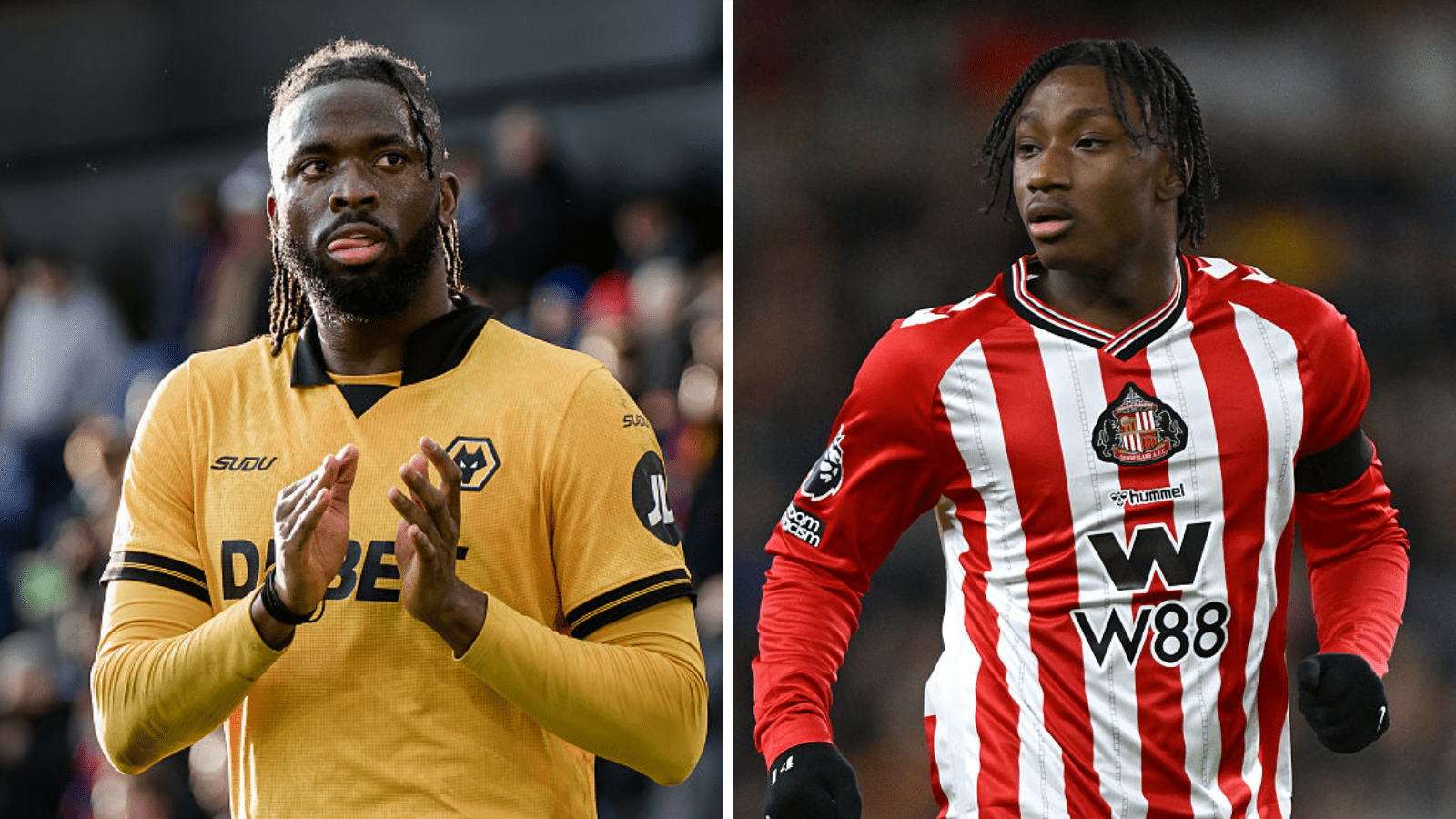
After Wolves lost narrowly to Crystal Palace, Tolu Arokodare sat in the dressing room and checked his phone. Rather than finding support or feedback, he saw his inbox flooded with racist slurs.
The Nigerian international had missed a first-half penalty, and within minutes, anonymous users turned his mistake into a wave of hate.
“It’s still unbelievable to me that we’re playing in a time where people have so much freedom to communicate such racism without any consequences,” he wrote later on Instagram, posting screenshots of the abuse.
Sunderland’s Romaine Mundle went through a similar experience. After coming off the bench in his team’s 3-1 loss to Fulham, the 22-year-old winger received so many racist messages that he deleted his Instagram account.

His club said they were “appalled” and made it clear that these people “do not represent Sunderland AFC, our values, or our community.”
These incidents happened just a day after Burnley’s Hannibal Mejbri and Chelsea’s Wesley Fofana also reported racist abuse following their 1-1 draw at Stamford Bridge.
Fofana expressed his frustration clearly: “2026, it’s still the same thing, nothing changes. These people are never punished.”
Clubs, leagues, and anti-discrimination groups all condemned the attacks. Wolves called the abuse of Arokodare “abhorrent and unlawful” and promised full support for their striker. Sunderland agreed and said they would work with authorities to find those responsible.
The Premier League warned that anyone found guilty of discrimination could face bans and legal action. Kick It Out, the UK’s main anti-racism group, reported a record number of abuse cases this season and said that “social media companies must do more to offer protections to players and improve accountability.”
Despite campaigns and promises, players say the problem continues online. Anonymous accounts still target footballers without facing consequences, leading victims to share their experiences publicly in hopes of change.
The abuse of Arokodare and Mundle is part of a long list that includes Joe Willock, Mathys Tel, Jess Carter, Marcus Rashford, and Jadon Sancho, all of whom have faced racism in recent years.
Even Real Madrid’s Vinícius Jr was reportedly abused during a Champions League match last week, which led UEFA to investigate.
For Arokodare, Mundle, and many others, this pattern is sadly familiar. A missed penalty, a bad game, or just the color of their skin can trigger anonymous hate.
Clubs and leagues speak out and launch campaigns, but the cycle continues. As one player said, words matter, but actions matter more.
This is the deeper truth: football’s racism crisis goes beyond the pitch. It reflects a larger problem in society with online hate, anonymity, and lack of accountability.
Because football is so visible around the world, it has become a place where these issues are seen clearly. Until tech companies, lawmakers, and communities address the causes of online abuse, players will keep facing racism both on and off the field.
Even with all the hate, there is still resilience. Arokodare has promised to keep playing with pride, despite the abuse. Mundle, though he left social media, is still working hard for his spot in Sunderland’s team.
Their determination, along with the support from teammates, clubs, and fans, shows that while racism tries to divide, football can bring people together.
The sport’s real strength is not in ignoring hate, but in standing together against it.