

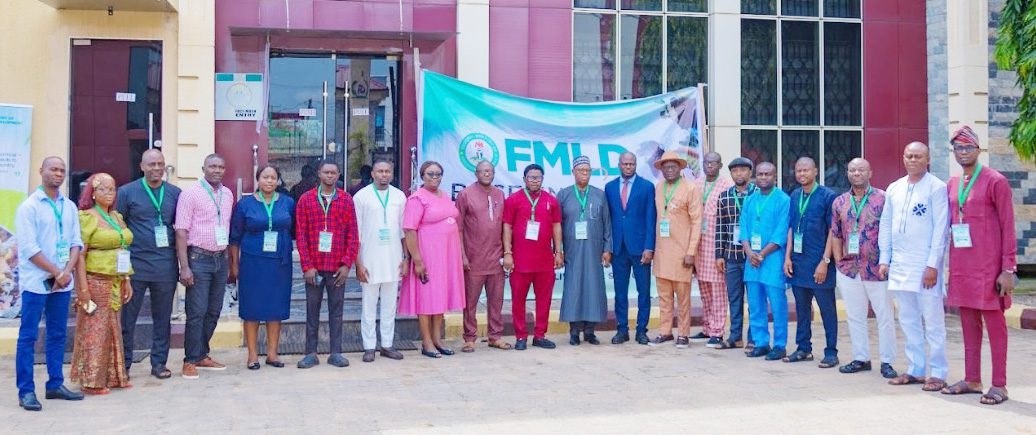
Lagos: A leading logistics expert warns that Nigeria risks missing out on vital AfCFTA and China’s zero-tariff trade opportunities due to entrenched structural failures.
As 95% of cross-border trade remains trapped in barter, a leading commercial logistics expert warns that structural failures are costing Nigeria and Africa billions in potential revenue.
Nigeria and its African peers stand at the intersection of two historic trade opportunities — yet risk squandering both due to institutional inertia, infrastructure deficits, and the near-total absence of formal trade systems at the grassroots level, a leading commercial logistics expert has warned.
Alhaji Salami Nasiru Alasoadua, trade logistics adviser and managing director, highlights structural issues hampering Africa’s trade ambitions, referencing his cross-border logistics experience.

His warning comes amid two major developments. China has approved zero-tariff access for exports from 53 African countries, including Nigeria, opening a preferential window into the world’s second-largest economy. At the same time, the African Continental Free Trade Area (AfCFTA), now operational, promises to unlock a single market of over 1.3 billion people across 55 countries.
Yet on the ground, the reality is stark.
“Around 95% of cross-border trade in the Nigeria-Sahel corridor is conducted through trade by barter,” Alhaji Salami’s brief states. This system generates no paper trail, no VAT receipts, no customs data, and no bankable transaction records — effectively rendering the traders invisible to formal financial systems and excluding them from the benefits of AfCFTA.
The corridor is economically significant. Nigeria imports about 70% of its livestock from Chad, Cameroon, Niger, Mali, Burkina Faso, and Benin, while sourcing soybeans, maize, and paddy rice from several of these countries. In the reverse direction, Nigeria exports agricultural produce, beverages, plastics, and soap. These flows sustain millions of smallholder farmers, petty traders, women market operators, and youth entrepreneurs.
The Tax Trap and the Tonnage Problem
Compounding the challenge is a deeply uneven regulatory environment. Nigeria’s Value Added Tax (VAT) stands at 7.5%, compared to 19% in Niger and 19.25% in Cameroon. This disparity creates strong incentives for smuggling and informal trade routes.
Road freight regulations also differ sharply. While West Africa allows a maximum payload of approximately 66 tons (including the truck), Central Africa caps it at 51 tons. Overloading fines in Niger and Cameroon reach 60,000 CFA per ton — a heavy burden on small and medium enterprises.
By contrast, China implemented a VAT restructuring effective January 1, 2026, with a standard rate of 13%, a reduced 9% rate for agricultural products, and a simplified 3% rate for small-scale taxpayers — signalling a move toward greater transparency and trade facilitation.
What Africa Must Build
Alhaji Salami offers practical recommendations. He calls for the establishment of Export Cooperative Villages to provide technical, logistical, and administrative support to youth and women seeking to integrate into global value chains. He also advocates for Domestic Cooperative Villages to optimise local distribution and reduce post-harvest losses.
Other key proposals include:
A comprehensive national production database mapping goods produced by each Local Government Area in Nigeria.
Strategic continental road corridors linking major economic hubs across North, West, and Central Africa.
Enhanced maritime connectivity along the Atlantic coast.
The development of regional and continental border markets to boost intra-African trade in finished goods.
The Strategic Stakes
China’s zero-tariff policy is not mere goodwill but a calculated supply chain strategy. Without deliberate industrialisation and value addition, Africa risks continuing the colonial pattern of exporting raw materials and re-importing them as finished goods.
“This approach is essential to prevent Africa from remaining a dumping ground where raw materials are exported and re-imported as finished goods,” Alhaji Salami warns.
He stresses that Africa must urgently address infrastructure gaps, security challenges, water access, and the shortage of vocational training centres — particularly for youth and women who dominate informal cross-border trade.
The trade windows are open. Will Africa act decisively to seize them?
𝗞𝗲𝗵𝗶𝗻𝗱𝗲 𝗔𝗱𝗲𝗴𝗼𝗸𝗲 𝗶𝘀 𝗮𝗻 𝗮𝘄𝗮𝗿𝗱-𝘄𝗶𝗻𝗻𝗶𝗻𝗴 𝗶𝗻𝘃𝗲𝘀𝘁𝗶𝗴𝗮𝘁𝗶𝘃𝗲 𝗷𝗼𝘂𝗿𝗻𝗮𝗹𝗶𝘀𝘁 𝘄𝗶𝘁𝗵 𝗺𝗼𝗿𝗲 𝘁𝗵𝗮𝗻 𝟭𝟱 𝘆𝗲𝗮𝗿𝘀 𝗼𝗳 𝗱𝗶𝘀𝘁𝗶𝗻𝗴𝘂𝗶𝘀𝗵𝗲𝗱 𝗲𝘅𝗽𝗲𝗿𝗶𝗲𝗻𝗰𝗲 𝘂𝗻𝗰𝗼𝘃𝗲𝗿𝗶𝗻𝗴 𝘀𝘁𝗼𝗿𝗶𝗲𝘀 𝘁𝗵𝗮𝘁 𝘀𝗵𝗮𝗽𝗲 𝗽𝘂𝗯𝗹𝗶𝗰 𝗱𝗶𝘀𝗰𝗼𝘂𝗿𝘀𝗲. 𝗪𝗶𝘁𝗵 𝘁𝗵𝗿𝗲𝗲 𝗶𝗻𝗱𝘂𝘀𝘁𝗿𝘆 𝗻𝗼𝗺𝗶𝗻𝗮𝘁𝗶𝗼𝗻𝘀 𝗮𝗰𝗿𝗼𝘀𝘀 𝗱𝗶𝘃𝗲𝗿𝘀𝗲 𝗯𝗲𝗮𝘁𝘀, 𝗵𝗲 𝗵𝗮𝘀 𝗲𝗮𝗿𝗻𝗲𝗱 𝗿𝗲𝗰𝗼𝗴𝗻𝗶𝘁𝗶𝗼𝗻 𝗳𝗼𝗿 𝗳𝗲𝗮𝗿𝗹𝗲𝘀𝘀 𝗿𝗲𝗽𝗼𝗿𝘁𝗶𝗻𝗴, 𝗶𝗻𝗰𝗶𝘀𝗶𝘃𝗲 𝗮𝗻𝗮𝗹𝘆𝘀𝗶𝘀, 𝗮𝗻𝗱 𝗮 𝗰𝗼𝗺𝗺𝗶𝘁𝗺𝗲𝗻𝘁 𝘁𝗼 𝗮𝗰𝗰𝗼𝘂𝗻𝘁𝗮𝗯𝗶𝗹𝗶𝘁𝘆. 𝗔𝘀 𝗠𝗮𝗻𝗮𝗴𝗶𝗻𝗴 𝗘𝗱𝗶𝘁𝗼𝗿 𝗮𝗻𝗱 𝗖𝗘𝗢 𝗼𝗳 𝗧𝗵𝗲𝗗𝗶𝗴𝗴𝗲𝗿𝗡𝗲𝘄𝘀.𝗰𝗼𝗺, 𝗔𝗱𝗲𝗴𝗼𝗸𝗲 𝗹𝗲𝗮𝗱𝘀 𝗮 𝗽𝗶𝗼𝗻𝗲𝗲𝗿𝗶𝗻𝗴 𝗻𝗲𝘄𝘀𝗿𝗼𝗼𝗺 𝗱𝗲𝗱𝗶𝗰𝗮𝘁𝗲𝗱 𝘁𝗼 𝗲𝘅𝗽𝗼𝘀𝗶𝗻𝗴 𝗵𝗶𝗱𝗱𝗲𝗻 𝘁𝗿𝘂𝘁𝗵𝘀, 𝗮𝗺𝗽𝗹𝗶𝗳𝘆𝗶𝗻𝗴 𝗺𝗮𝗿𝗴𝗶𝗻𝗮𝗹𝗶𝘇𝗲𝗱 𝘃𝗼𝗶𝗰𝗲𝘀, 𝗮𝗻𝗱 𝘀𝗲𝘁𝘁𝗶𝗻𝗴 𝗻𝗲𝘄 𝘀𝘁𝗮𝗻𝗱𝗮𝗿𝗱𝘀 𝗶𝗻 𝗶𝗻𝘃𝗲𝘀𝘁𝗶𝗴𝗮𝘁𝗶𝘃𝗲 𝗷𝗼𝘂𝗿𝗻𝗮𝗹𝗶𝘀𝗺.