

The World Cup is football’s grandest stage, but in 2026 the drama won’t just be about goals or glory.
It will be about lungs gasping for air in Mexico’s high-altitude stadiums, and crowds waiting out storms in America’s summer heat.
This tournament will be fought not only against rivals, but against the elements themselves.
Playing in Thin Air

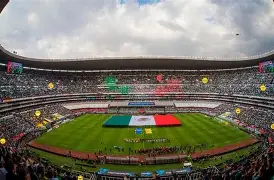
Step onto the pitch at Estadio Azteca and the noise hits you first — a wall of sound from 80,000 fans. Then the air hits you. It feels thinner, lighter, almost hollow.
You sprint after the ball, but within seconds your chest tightens. Breathing feels shallow, recovery drags, and your legs grow heavier than they should.

At 2,240 meters above sea level, oxygen is scarce, and every run becomes a test of endurance.
Even the ball behaves differently. A pass zips faster than expected, a shot carries farther, and defenders scramble to adjust.
Coaches know the dilemma: arrive weeks early to acclimatize, or risk flying in late and hoping adrenaline will carry the team through. For Mexico’s players, this is home. For visitors, it’s survival.
Fans under The Sun
The altitude doesn’t spare the crowd. In Mexico City, the sun is merciless. The UV index can reach extreme levels, and fans know the difference between Tribuna Sol (Sun Stand) and Tribuna Sombra (Shade Stand). Shade costs more, but in the blazing heat it feels priceless.
In the stands, supporters sip water, wave flags, and sing through the discomfort. Sweat drips, hearts pound, but the chants never stop. To cheer here is to endure — to prove that passion can outlast the elements.
Storms in the USA
Across the border, the challenge is different. Picture 60,000 fans in a U.S. stadium, the match suddenly halted as thunder cracks overhead. Lightning has struck within 12 kilometers, and the announcer calls for a pause.
Players vanish into locker rooms. Fans shuffle restlessly, scrolling their phones, checking weather apps, waiting. Broadcasters stretch to fill the silence.
Minutes tick by — 30, 60, 90. The storm outside becomes part of the drama, a reminder that nature can silence even the loudest crowd.

Echoes of History
Mexico has used altitude before. In 1986, El Tri reached the quarterfinals at home — their deepest run at the time. Yet not everyone embraces the challenge.
Stars like Messi and Neymar have called extreme altitude matches “inhumane.” The 2026 World Cup revives that debate: is altitude an unfair handicap, or simply part of football’s global diversity?
The Real Opponents
This World Cup will be shaped by forces beyond tactics. Mexico’s thin air will slow matches, while U.S. lightning rules could halt them mid-play. Fans and players alike must prepare for a tournament where the environment itself becomes the twelfth man — sometimes helping, sometimes hindering, always unpredictable.