

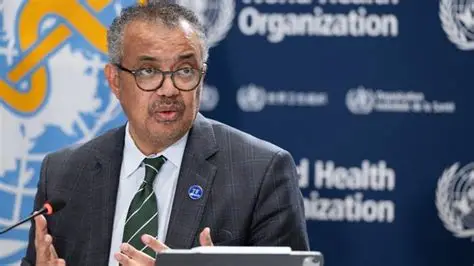
Abuja: The World Health Organisation (WHO) has called for stronger governance and increased funding for national blood systems, warning that weak oversight continues to deny millions of patients access to safe blood transfusions despite rising global donations.
WHO Director-General, Dr Tedros Adhanom Ghebreyesus, made the call in a message marking World Blood Donor Day, observed annually on June 14 under the theme “One Drop of Humanity. Give Blood. Save Lives.”
He said voluntary, unpaid blood donations now account for more than 85 per cent of global blood supplies, up from 78 per cent a decade ago. However, he noted that only 40 per cent of countries have fully functional national blood systems with adequate governance, quality control and financing.
“Blood saves lives, but only if it is safe, available and properly managed. Stronger governance is not optional — it is the difference between life and death for mothers in childbirth, children with anaemia and patients undergoing surgery,” he said.

The WHO chief said new data shows major disparities in global blood availability, with high-income countries recording an average of 33 donations per 1,000 people, compared with just five per 1,000 in low-income countries.
He said fewer than half of low-income countries have national blood policies backed by legislation, with many still relying on family replacement or paid donors, increasing the risk of transfusion-transmitted infections.
Ghebreyesus urged governments to establish independent national blood authorities, enforce quality standards and provide sustainable funding to ensure uninterrupted blood supply systems.
He warned that more than 60 per cent of countries spend less than one dollar per capita annually on blood services, a level insufficient to maintain testing, storage and distribution systems.
“Without stable funding, blood banks face shortages of testing kits, refrigeration and trained staff, leading to avoidable deaths from postpartum haemorrhage, trauma and childhood malaria,” he said.
He added that only 70 per cent of donated blood in low-income countries is screened for HIV, hepatitis B, hepatitis C and syphilis in line with WHO standards, compared with 100 per cent coverage in high-income countries.
The WHO chief warned that weak regulatory oversight allows unsafe blood into supply chains, undermining public confidence and discouraging voluntary donations.
Ahead of World Blood Donor Day, WHO urged countries to adopt its “20 Actions” framework, including enacting national blood laws, strengthening voluntary donor programmes and integrating blood services into universal health coverage plans.
“Every country can achieve self-sufficiency in safe blood if leaders treat it as a core health system function. Governance and investment today will save lives tomorrow,” he said.