

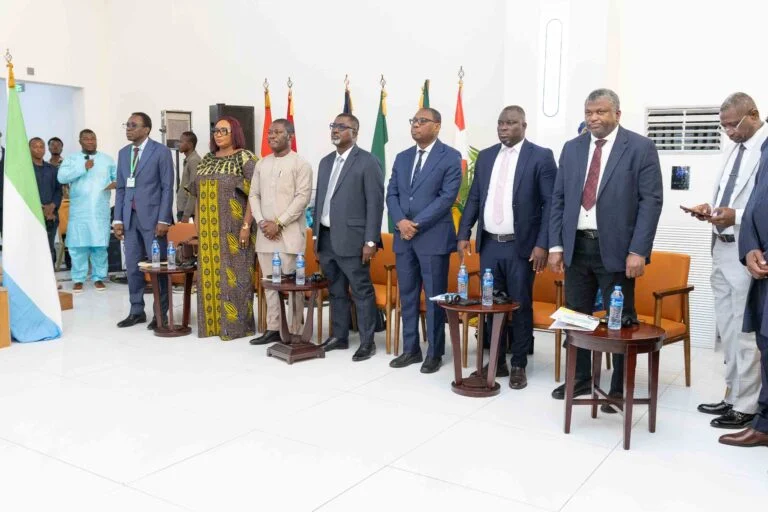
Abuja: The West African Health Organisation (WAHO) has issued a clarion call for collective regional action to defeat malaria, urging governments, partners, and communities to intensify collaboration and innovation in tackling one of the region’s deadliest diseases.
The organisation disclosed this on its social media handle on Saturday.
According to WAHO, West Africa bears about 40 per cent of the global malaria burden.
Despite progress from stronger malaria control programs and partner support, malaria remains a public health challenge in the ECOWAS region.

While gains have been made, malaria still poses a serious regional threat.
The disease most affects children under five, pregnant women, and strains health systems and economies.
WAHO commended member states for their commitment to malaria control and elimination.
It particularly recognised the leadership shown in scaling up proven interventions such as insecticide-treated nets, indoor residual spraying, seasonal malaria chemoprevention, and access to rapid diagnostic tests and effective treatment.
“The introduction of malaria vaccines in several countries also marks a historic step forward in the fight against the disease.”
However, WAHO noted with concern that progress had stalled in some areas due to funding gaps, insecticide and drug resistance, climate change, and ongoing conflicts that disrupted health services.
“To meet these challenges, WAHO urges immediate, coordinated action at community, national, and international levels to safeguard progress and overcome emerging threats.
“WAHO calls on governments, partners, civil society, and the private sector to urgently scale up investment in malaria prevention, diagnosis, and treatment, and to actively engage in joint initiatives.
“Take bold steps to strengthen health systems, expand community-based interventions, and drive innovation in tools and delivery. These are vital for achieving the 2030 malaria targets.
WAHO also underscored the importance of enhanced cross-border collaboration to address the regional nature of malaria transmission.
“Let us join forces—no country can eliminate malaria alone. Collective action is essential to achieve lasting, region-wide progress.
Together, the region can accelerate progress toward a malaria-free West Africa and protect millions of lives, WAHO stated.