
Table of Contents
When people watch the FIFA World Cup, they focus on the amazing goals, big saves, and memorable celebrations.
But behind all the excitement, there is a strict set of rules that players must follow during the tournament.
On the Pitch
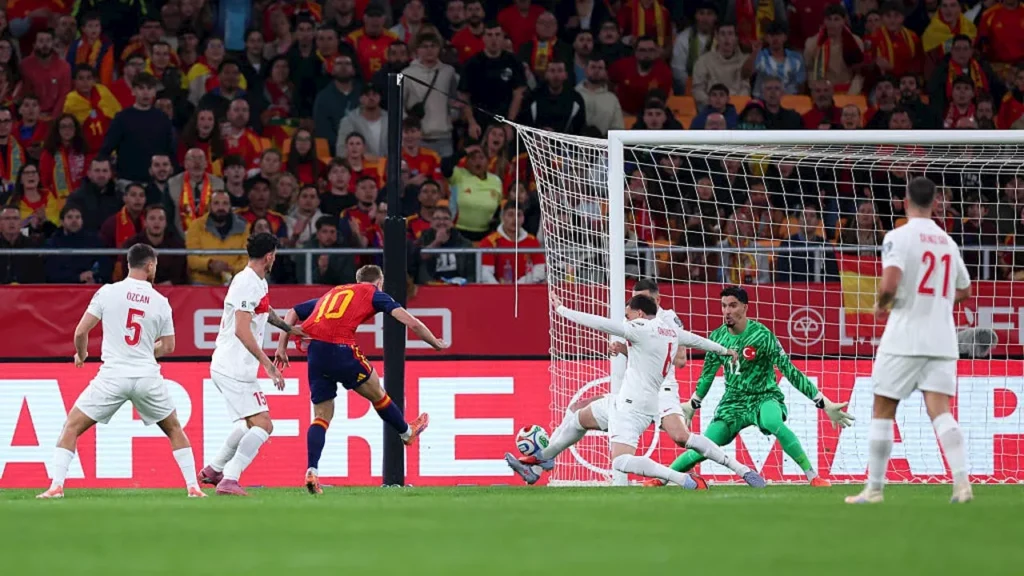
The game has many rules. Players can celebrate goals, but if they take off their shirt after scoring, they get a yellow card. Over-the-top or provocative celebrations can also be penalized.
Players cannot wear jewelry, and any protective gear like masks or bandages needs approval first.

Players are not allowed to show forbidden messages on their undershirts or equipment. Talking to referees is watched closely, and showing disrespect or trying to intimidate them can quickly lead to a card.
Faking a foul is also punished. The rules are strict: if a player gets two yellow cards in different games, they are suspended. A red card means the player must leave the field right away.
Discipline and Safety
FIFA has strict anti-doping rules. Players can be tested for drugs at matches, during training, or even at their hotels. If a player refuses a test or tries to cheat, they face serious consequences. Safety is also important: if someone might have a head injury, they are not allowed to keep playing.
Media and Public Life
The World Cup is both a major media event and a sports competition. Players have to go to press conferences and interviews, and if they skip them, they can be fined. Players can use social media, but they are not allowed to post anything offensive or political.
Life outside the stadium is also closely managed. Players live in hotels chosen by FIFA, with medical and security staff on site. They need permission to leave the training camps. Some teams set curfews, so players cannot stay out late or drink alcohol. Family can visit, but only in certain areas, and players are not allowed to do risky things like extreme sports.
Traditions such as shirt swapping remain intact, symbolising respect between opponents. But equipment rules are strict: only FIFA-approved kits and gear are permitted, and unauthorised sponsors cannot be promoted.
Symbolism and Campaigns
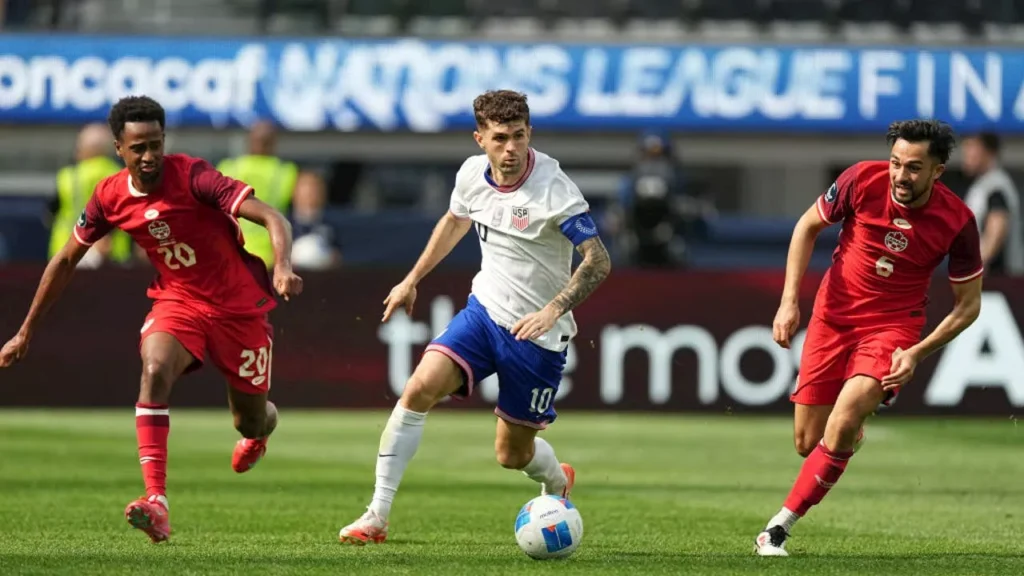
Players can take part in FIFA-approved anti-racism campaigns, like kneeling before the game starts. But political symbols, such as the OneLove armband that caused debate in 2022, are not allowed.
Travel and Logistics
Travel is also controlled. Teams have to use official FIFA transportation to go between their hotels, training grounds, and stadiums.
The World Cup is the highest achievement in football, but for players, it is also a test of discipline.
Every action, both on and off the field, is controlled by rules that protect the game’s fairness and keep athletes safe.