Lagos: The Youths for Apiculture Initiative (YFAI) has bemoaned adulteration in the industry and proffered ways consumers can identify pure and unadulterated honey for healthier living.
The National President of YFAI and Chief Executive Officer of Makizi Raw Honey, Mr Kingsley Nwaogu, disclosed this on Sunday in Lagos. Nwaogu decried the difficulty in identifying pure, unadulterated honey in the country.
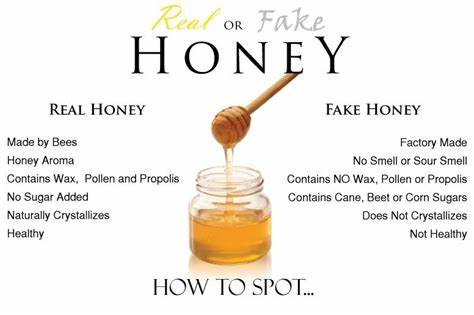
However, he listed three simple litmus tests consumers could use to determine pure honey from the fake.
“It is really a serious concern to identify pure, unadulterated honey; however, laboratory analysis is the best way to know if it is original honey.

“However, we know that laboratory analysis is not readily available. So, we could carve out physical yardsticks of knowing pure natural honey. One of them is the colour of the honey. Honey maintains a golden shade.
“Though the vegetation around the apiary where the bee colonies are located also determines honey’s physical and chemical properties, i.e., the colour and the nutritional value. Usually, honey is not very thick and black,” Nwaogu said.
According to him, the after-sugary test is another yardstick for determining pure honey. Pure natural honey does not have an after-sugary test.
“Once you consume pure natural honey, the sweetness will disappear from your mouth immediately.
“The third yardstick is viscosity; this is not necessarily about its thickness. It is about the consistency in its flow. Pure honey does not break like pure engine oil; it maintains a flow consistency. It does not break,” he said.
The YFAI chairman said the association had taken steps to clamp down on fake and dishonest honey farmers by giving real beekeepers identification numbers.
“As an association, we carry out sensitisation by training new entrants in modern beekeeping production to clamp down on impure and adulterated honey.
“Also, we give a specific, unique number in our identification (ID) card of real honey producers, so that before a consumer can buy, the consumer should request the ID card of a bee farmer.
“That way, they can scan the product to confirm if that person is an association member.
“Another thing is that consumers should ask questions and know the source of the honey that they are consuming is from an honest bee farmer.
“Consumers should always ensure the traceability of the honey they purchase,” the chairman said.
He added that the value chain of local honey could be expanded if honey farmers were honest in their production.
“We can increase local productivity of pure,, unadulterated honey by getting more people involved in beekeeping.
“We also need to reorient them so that they will know that quality is not negotiable and that adulteration will not get export income.
“Beekeepers need to understand that they are going into this business for the health of the people, not for money.
“The problem is that most people selling honey are not interested in value creation and quality honey for the consumers’ health.
“So, there is a need for proper, adequate sensitisation and getting people involved so that they will know that keeping the bee is not only to produce honeybee products, but it also enhances the productivity and yield of the food crops and other wild plants,” he said.