

Soybean oil’s hidden fat-derived molecules may quietly fuel obesity by rewiring the body’s handling of dietary fats.
Researchers at UC Riverside have uncovered why soybean oil, one of America’s most widely consumed ingredients, drives significant weight gain—at least in mice. The findings point not to the oil itself but to the fat-derived molecules it produces inside the body, called oxylipins, which can trigger inflammation, alter liver function, and influence genes tied to metabolism.
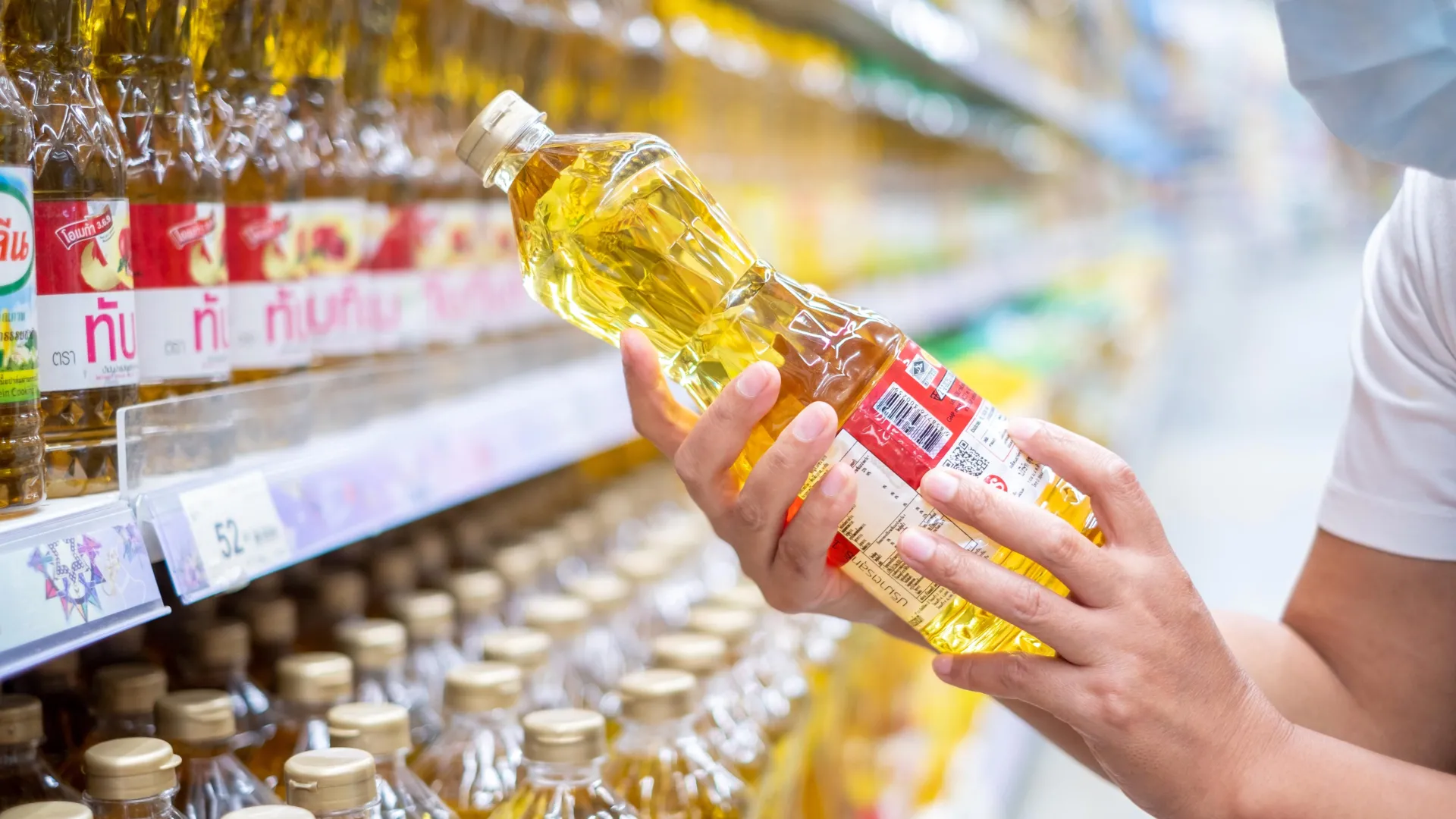
Soybean oil is the most commonly used cooking oil in the United States and appears in a wide range of processed foods. Research is now shedding light on how this highly consumed ingredient contributes to obesity in mice.
In a University of California, Riverside experiment, most mice fed a high-fat diet rich in soybean oil put on substantial weight. A separate group of genetically engineered mice did not, even though their diets were the same. These modified mice produced a slightly altered version of a liver protein that affects hundreds of genes involved in fat metabolism. The modified protein also changes how the body handles linoleic acid, one of the primary components of soybean oil.

“This may be the first step toward understanding why some people gain weight more easily than others on a diet high in soybean oil,” said Sonia Deol, a UCR biomedical scientist and corresponding author of the study published in the Journal of Lipid Research.
How Differences in Liver Proteins May Influence Metabolism
Humans produce both forms of the liver protein HNF4α. Still, the alternative form generally appears only in specific situations, such as chronic illness or metabolic stress from fasting or alcoholic fatty liver. Variations in this protein, along with individual differences in age, sex, genetics, and medications, may help explain why some people are more vulnerable to soybean oil’s metabolic effects.
The new findings expand on previous UCR research linking soybean oil to weight gain. “We’ve known since our 2015 study that soybean oil is more obesogenic than coconut oil,” said Frances Sladek, a UCR professor of cell biology. “But now we have the clearest evidence yet that it’s not the oil itself, or even linoleic acid. It’s what the fat turns into inside the body.”
Oxylipins and the Body’s Response to Linoleic Acid
Inside the body, linoleic acid is broken down into oxylipins. Too much linoleic acid can lead to elevated oxylipin levels, which are linked to inflammation and fat buildup.
The genetically engineered, or transgenic, mice produced far fewer oxylipins and had healthier liver tissue despite consuming the same soybean oil-rich diet as normal mice. They also showed better mitochondrial function, which may contribute to their resistance to weight gain.
Researchers identified specific oxylipins created from linoleic acid and alpha-linolenic acid, another fatty acid found in soybean oil. These molecules were required for weight gain in regular mice.
Why Oxylipins Alone Do Not Explain Obesity Risk
Transgenic mice on a low-fat diet still had elevated oxylipins but did not become obese. This suggests that oxylipins alone do not cause weight gain, and that other metabolic conditions must also be involved.
Additional analysis showed that these altered mice had far lower levels of two enzyme families that convert linoleic acid into oxylipins. These enzymes operate similarly in all mammals, including humans, and their levels vary based on genetics, diet, and other biological factors.
The researchers also reported that only oxylipins in liver tissue, not those circulating in the blood, correlated with body weight. This indicates that standard blood tests may not reliably show early metabolic changes driven by diet.
Rising Soybean Oil Intake and Potential Health Impacts
Soybean oil consumption in the U.S. has increased dramatically over the past century, rising from about 2% of total calories to nearly 10% today. Although soybeans provide plant-based protein and the oil contains no cholesterol, excessive intake of linoleic acid from sources such as ultra-processed foods may contribute to chronic metabolic problems.
The UCR team also found that mice consuming soybean oil had higher cholesterol levels, despite the oil itself containing no cholesterol.
Exploring Other High-Linoleic Oils
Researchers are now examining how oxylipins contribute to weight gain and whether similar reactions occur with other oils high in linoleic acid, such as corn, sunflower, and safflower oils.
“Soybean oil isn’t inherently evil,” Sladek said. “But the quantities in which we consume it are triggering pathways our bodies didn’t evolve to handle.”
While human trials are not currently planned, the scientists hope their work will inform future studies and guide nutrition-related policy.
“It took 100 years from the first observed link between chewing tobacco and cancer to get warning labels on cigarettes,” Sladek said. “We hope it won’t take that long for society to recognise the link between excessive soybean oil consumption and negative health effects.”