Nigeria’s $5 billion bet with Türkiyetargets jobs, security, and infrastructure, but risks of dependency loom without careful negotiation.
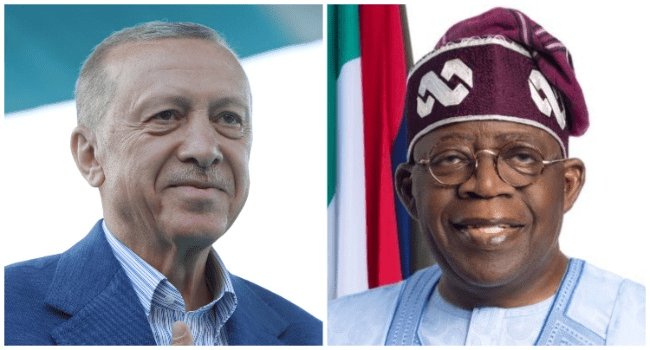
President Bola Tinubu’s January 2026 visit to Ankara was a strategic effort to position Nigeria as Türkiye’s main partner in Africa. Nine agreements were signed—on defence, trade, education, and diaspora affairs—and the trade target was raised from $2 billion to $5 billion. Many Nigerians hope this will mean more jobs, better security, and lower living costs, but experts warn that the benefits may be undermined by new dependencies if not managed prudently.
Economic Promise, But Balance Needed
Tinubu’s visit to Ankara supported Nigeria’s goal for local production. Economist Dr Amina Yusuf noted, “Turkey can help reduce our import dependency, but we must negotiate for local factories—otherwise, we risk becoming a dumping ground.”

At Balogun Market in Lagos, trader Mrs Kehinde Adebayo shared her concerns. “If Turkish goods come cheaper, customers will be happy. But what about us traders? If they don’t build factories here, we won’t have jobs, just more imports to sell.”
Defence Cooperation: Security vs. Autonomy
Security analyst Colonel (ret.) Ibrahim Danjuma stated, “Defence ties are vital, but Nigeria must secure technology transfer to avoid overreliance on Turkish systems.”
For Nigerians in conflict areas, stronger defence ties could make communities safer. However, if reliance on foreign systems grows, Nigeria risks vulnerability should Turkey shift its priorities, showcasing both the potential rewards and dangers involved.
Energy, Infrastructure, and Cost of Living
Dr Yusuf advised, “Nigeria must ensure majority stakes in key projects to avoid repeating past mistakes of dependency.”
In Ibadan, farmer Alhaji Musa Oladipo was hopeful. “If Turkey helps us with better roads and power, our food won’t waste before reaching Lagos. That means lower prices for everyone.”
Education and Human Capital
Tinubu’s trip to Ankara also included plans for scholarships and vocational training. University student Blessing Okoro said, “If I can get a scholarship to study engineering in Turkey, I’ll come back and help build Nigeria. That’s the kind of opportunity we need.”
Diplomatic Tightrope
Tinubu’s visit happened while Turkey was building closer ties with Washington. Nigeria’s involvement helps it stay relevant in Ankara’s global plans, but it could also get caught up in disputes between the U.S. and Turkey.
Colonel Danjuma added, “Nigeria should use Turkey’s pivot to promote African leadership and ensure Ankara’s ties benefit the continent.”
The Bottom Line
Tinubu’s visit to Ankara raised hopes for jobs, safety, lower living costs, and better opportunities. Still, the rewards may turn into risks—local content rules, fair trade, and strategic independence are vital to ensure gains outweigh the threat of dependency.
Nigeria’s partnership with Turkey has the potential to transform daily life, from Lagos markets to Oyo farms. The main challenge is to ensure Tinubu’s diplomacy delivers real benefits to Nigerians and not just deeper dependence on Ankara, making the balance between risk and reward critical.