

Table of Contents
TheDigger Intelligence Unit
As the sun rises in the Andes, villagers walk up steep paths with baskets of potatoes.
The air is thin and there is little oxygen, but people still thrive at these heights.
For years, doctors have noticed that people living in these areas are much less likely to get diabetes than those at sea level.

Now, after years of study, scientists think they have found the reason why.
The Secret in the Blood
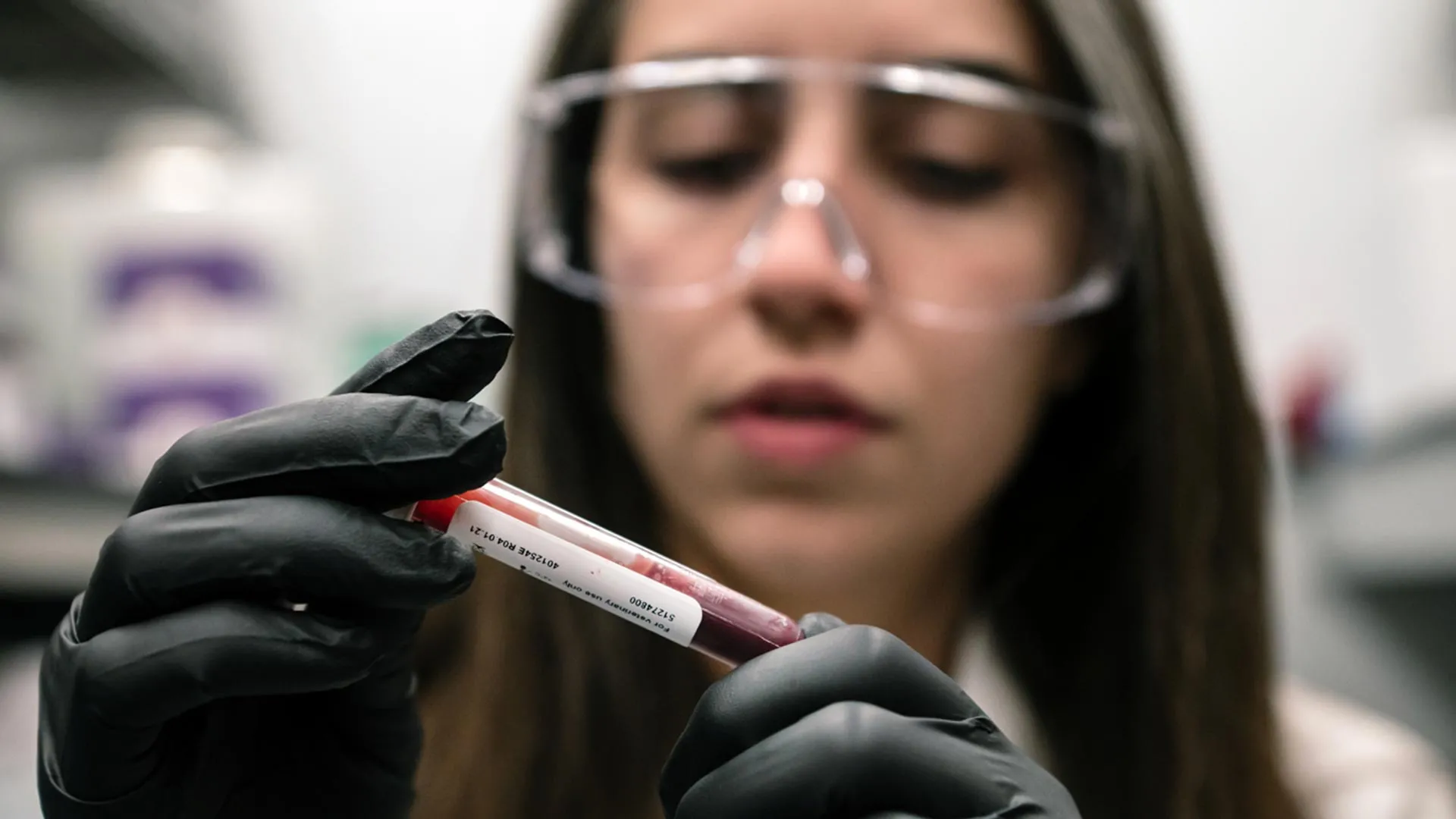
Researchers at the Gladstone Institutes found that when oxygen levels drop, a condition called hypoxia, red blood cells take on a surprising new job.
Instead of just carrying oxygen, they start soaking up glucose, a type of sugar, from the bloodstream. They act like ‘sugar sponges.’ This helps the body handle thin air and lowers blood sugar, which protects against diabetes.
“Red blood cells represent an unseen compartment of glucose metabolism that has not been appreciated until now,” said Isha Jain, PhD, senior author of the study published in Cell Metabolism. “This discovery could open up entirely new ways to think about controlling blood sugar.”
From Mystery to Breakthrough
This finding solves a long-standing mystery. Mice in low-oxygen environments clear sugar from their blood almost right after eating.
But no major organ seemed to be responsible until imaging showed that red blood cells were absorbing glucose, a role that had not been considered before.
Follow-up studies confirmed this effect. In low-oxygen conditions, mice made more red blood cells, and each cell took in more glucose than usual.
The University of Colorado and the University of Maryland revealed the molecular details: red blood cells use glucose to generate molecules that facilitate oxygen release to tissues, a vital adaptation when oxygen is scarce.
A New Path for Treatment
Jain’s team tested a drug called HypoxyStat, which mimics the effects of low-oxygen exposure in mice; the pill completely reversed hyperglycemia and outperformed existing treatments.
“This lets us think about treating diabetes in a new way, by using red blood cells as glucose sinks,” Jain explained.
Beyond Diabetes
This research could also help in exercise science and trauma medicine, where oxygen levels can fall. What surprised me most was the magnitude of the effect,” said co-author Angelo D’Alessandro, PhD. “Red blood cells can account for a substantial fraction of whole-body glucose consumption, especially under hypoxia.”
Doorway to New Therapy
For people living in the Andes or Sherpas in the Himalayas, the protection from thin air has always been part of life. For scientists, it is now a path to new treatments.
By using the hidden power of red blood cells, medicine might one day give people at sea level the same natural protection against diabetes that people in the mountains have.