

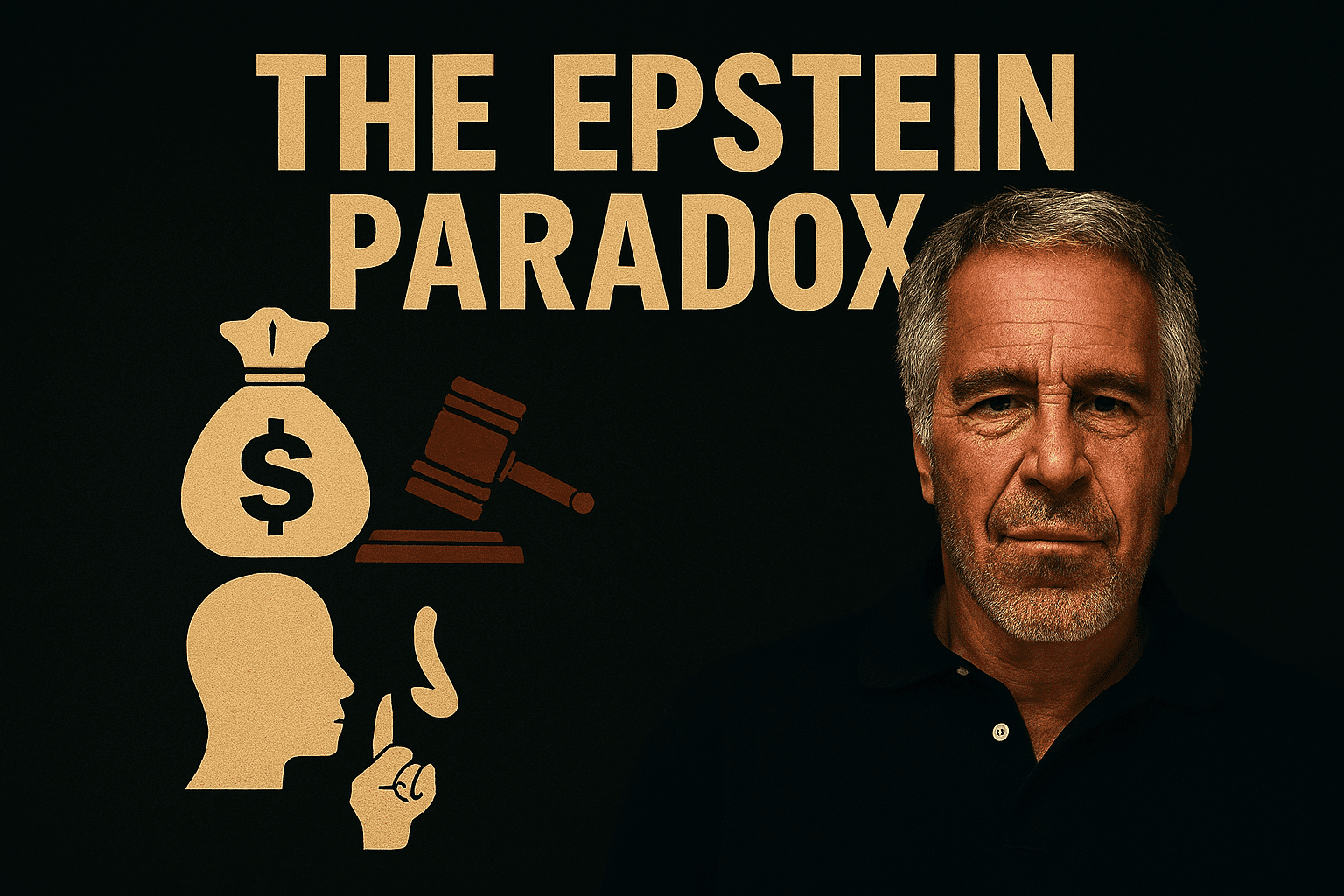
For a man who claimed to manage fortunes for the world’s wealthiest elites, Jeffrey Epstein left behind surprisingly few clear answers about his own.
The Case That Never Really Closed
In August 2019, Epstein was found dead in the Metropolitan Correctional Centre while awaiting trial for federal sex trafficking. Officials ruled it a suicide by hanging, but the story did not end there.
The affair became a global scandal, sparking questions about wealth, influence, and accountability among elites. Official explanations for Epstein’s death prompted scrutiny: unusable surveillance, falsified records, and persistent public scepticism.

Years after Epstein’s death—and despite prosecutions and Maxwell’s conviction—the full extent of his network is unclear.
Three mysteries persist: Epstein’s wealth, his powerful acquaintances, and the institutional failures that enabled him.
The Financial Enigma
The first mystery is Epstein’s wealth.
Epstein, unlike typical financiers, disclosed little about the source of his fortune, which he used to buy properties in New York, New Mexico, Florida, Paris, and the US Virgin Islands.
His career path began unexpectedly in academia. In the 1970s, he taught mathematics and physics at the elite Dalton School in Manhattan. He later transitioned into finance, joining the investment bank Bear Stearns. By the early 1980s, following an internal investigation into a questionable personal loan and allegations of stock tip sharing, he was suspended and eventually left the firm under circumstances that were never fully clarified.
In 1988, Epstein founded J. Epstein & Company, claiming to manage only the money of billionaires. The firm named just one client: billionaire Leslie H. Wexner, founder of L Brands.
By July 1991, Wexner had granted Epstein sweeping power of attorney over his financial affairs, authorising him to borrow money, sign tax returns, buy and sell properties, and act on Wexner’s behalf in virtually all legal matters. Sometime after being granted this authority, the firm changed its name to Financial Trust Company and relocated to the US Virgin Islands to take advantage of tax benefits.
Wexner has said Epstein misappropriated vast sums, deepening the financial mystery.
The Network Of Influence
If Epstein’s wealth was mysterious, his power was greater.
Over the decades, he cultivated relationships with figures across politics, business, academia, and royalty — including former US President Bill Clinton, real estate mogul and later President Donald Trump, Prince Andrew, Duke of York, technology entrepreneur Bill Gates, and many others, including Elon Musk, Peter Thiel, Sergey Brin, Noam Chomsky, and former Israeli Prime Minister Ehud Barak.
Association alone does not imply criminal wrongdoing, and many individuals who encountered Epstein have denied knowledge of his illegal activities.
Epstein remained in elite circles even after his 2008 conviction for soliciting prostitution from a minor. Critics say this shows how reputation and wealth can shield the powerful.
The Trafficking Allegations
Federal prosecutors alleged Epstein ran a recruitment network that exploited vulnerable girls.
Victims said teens were recruited with false promises and then sexually exploited, often on Epstein’s private US Virgin Islands island, now under federal investigation.
In 2021, a federal court convicted Ghislaine Maxwell of recruiting and grooming underage girls for Epstein. She received a 20-year sentence the next year.
The verdict brought some justice, but many questions remain about the wider network.
Journalism And The Muteness Question
The case also triggered an uncomfortable media debate.
Controversy followed Amy Robach’s claim that parts of the Epstein story were suppressed at ABC News, fueling debate about journalism’s challenges in covering the powerful.
For investigative journalists, this controversy highlighted the challenge of covering stories at the intersection of wealth, influence, and legal risk.
The Unsealed Files
In January 2024, a federal court in New York ordered the release of previously sealed documents connected to litigation involving Epstein and Maxwell.
These records included depositions and FBI communications about Epstein’s social ties. Public speculation was high that files might name powerful figures in Epstein’s crimes.
The documents mostly confirmed existing knowledge: Epstein’s social network was vast, but no comprehensive list of criminal co-conspirators emerged, leaving more names to scrutinise and fewer answers.
A Scandal That Outlived Its Central Figure
Five years on, the Epstein scandal continues to influence courts, the media, lawmakers, and public debate worldwide.
The case exposed legal failures, like the 2008 plea deal, raised questions about elite influence, and affirmed investigative journalism’s vital role.
Ultimately, the affair may be remembered not just for the crimes, but for hard questions about money, power, access, and accountability.
Those questions linger. That may explain why the story endures after Epstein’s death.
EDITOR’S NOTE: This investigative analysis is drawn from federal court documents, the Epstein Files Transparency Act releases, reporting by the International Consortium of Investigative Journalists, and verified public records. TheDiggerNews.comaffirms that association with Epstein does not in itself constitute criminal wrongdoing. All individuals named in this report who have not been convicted of crimes related to Epstein maintain their innocence. TheDiggerNews.comwelcomes responses from any parties who wish to address the issues raised in this piece. Contact: thediggernews03@gmail.com