Gas shortages cripple Nigeria’s grid, leaving families, businesses, and communities in Lagos, Ogun, and Abuja struggling to survive in the shadows. TOYE FALEYE reports.
A Nation Wakes to Silence
On a humid March morning in 2026, millions of Nigerians woke to silence. Fans stopped spinning, refrigerators warmed, and the familiar hum of electricity was gone.
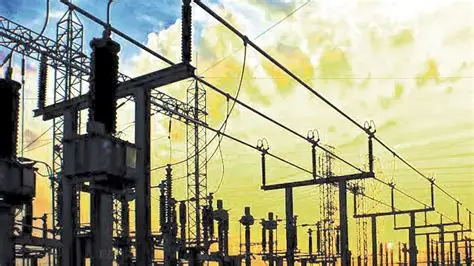
As the sun rose, the national grid dipped below 4,000 megawatts, crippled by a gas shortage that forced thermal plants offline.
For households in Lagos and Ogun, the outage was not just an inconvenience; it was another reminder of a system that has failed them time and again.
Gas Shortage, Debt Crisis
The crisis is driven by a broken financial chain. Consumers pay bills to distribution companies, who in turn are supposed to remit payments to the Nigerian Bulk Electricity Trading Company (NBET). NBET is responsible for paying generation companies, who must then pay gas suppliers. Currently, gas suppliers are owed more than ₦3.3 billion by generation companies, leading them to halt deliveries.
Without fuel, plants like Egbin in Ikorodu, Nigeria’s largest thermal station, and Olorunsogo in Ogun slashed output.
The Nigerian Independent System Operator confirmed that gas supply had fallen to less than half of the required daily level.
The chain of blame is familiar. Consumers underpay or bypass billing. Distribution companies remit less to the Nigerian Bulk Electricity Trading Company ( NBET).
Without enough remitted funds, NBET cannot fully pay the generation companies. Generation companies, lacking funds, default on payments to gas suppliers. In response, gas suppliers cut supply, leading to outages.
Lives in the Shadows
In Ikeja, Lagos, Mrs Funmi Adeyemi, a mother of three, described how her children now study by candlelight. “We buy candles every other day.
My youngest cries when the fan stops at night. It feels like we are living in the past.”
In Ifo, Ogun State, tailor Kehinde Olaleye sat in his darkened shop, his sewing machines idle. “I had to turn away customers this week.
They think I’m lazy, but how do I sew without light? Generators are too expensive. I may lose my business if this continues.”
In Abuja, civil servant Musa Abdullahi returned home after work to find his estate in darkness. “We pay bills every month, but the supply is never steady.
Now I spend half my salary on diesel. It feels like we are punished for the failures of others.”
These voices capture the human cost of a crisis that is often explained in numbers and megawatts. For families, it is about sleepless nights. For small businesses, it is about survival. For workers, it is about dignity.
History Recurring
This is not the first time Nigeria has been plunged into darkness by gas shortages. In 2020, 2022, and 2024, similar crises unfolded when debts piled up, and suppliers withheld deliveries.
Each time, the grid collapsed. Each time, promises of reform followed. And each time, tariffs remained below cost‑reflective levels, collections stayed weak, and debts mounted again.
The cycle is relentless: debt, shortage, blackout, promise, repeat.
Lessons from Neighbours
Other African nations face their own energy struggles but manage them differently.
Ghana, though plagued by “dumsor,” relies heavily on hydropower and imports fuel when shortages arise.
South Africa’s Eskom, crippled by coal dependence and mismanagement, enforces structured load‑shedding schedules, giving citizens predictability even in crisis.
Nigeria, by contrast, leaves its citizens in the dark without warning, caught between debts and dysfunction.
A Flicker of Hope or Endless Darkness
Nigeria’s latest power crisis is not just about gas shortages. It is about a broken system where debts pile up, accountability slips away, and citizens pay the price.
The silence that greeted households in March 2026 is the sound of a nation trapped in a cycle of repetition.
Until tariffs reflect real costs, collections are enforced, and transparency is restored, Nigerians remain in the shadows—where electricity flickers, promises collapse, and hope dims. Only decisive reform can break the cycle and reclaim the dawn.