Table of Contents
A financial expert is taking charge of Nigeria’s toughest ministry, facing a weak power grid and a country that urgently needs reliable electricity, TOYE FALEYE reports.
Tegbe’s Professional Background
Joseph Olasunkanmi Tegbe’s journey to the Ministry of Power reflects a career shaped by change. Born in Oyo Town in 1966, he graduated with First Class honours in Civil Engineering from the University of Ife.
He started out in oil and gas at Shell Petroleum, then moved into consulting. As Senior Partner and Head of Advisory Services at KPMG Africa, he gained experience in fiscal policy, governance reforms, and institutional change.
Tegbe is expected to prioritise critical policy reforms, such as updating the National Electric Power Policy to incentivise private investment, enforcing cost-reflective tariffs with targeted subsidies for vulnerable populations, and promoting transparent procurement processes in the sector.

Legislative collaboration may be needed to amend the Electric Power Sector Reform Act, enabling greater autonomy for regulatory bodies and encouraging competition in generation and distribution.
According to the Nigerian Electricity Regulatory Commission (NERC), only about 45% of Nigerian households have access to electricity through the national grid (NERC, 2023).
The World Bank estimates that Nigeria loses $29 billion yearly due to unreliable power supply, underscoring the urgency for effective reform. (World Bank, 2021)
He is a Fellow of the Institute of Chartered Accountants of Nigeria and the Chartered Institute of Taxation, and he holds certifications from Harvard and INSEAD.
Tegbe has also worked in international diplomacy as Director-General and Global Liaison for the Nigeria-China Strategic Partnership.
His advisory roles with the Nigerian Electricity Regulatory Commission (NERC) and the Nigerian Bulk Electricity Trading Plc (NBET) give him an insider’s view of the power sector.
Key Career Achievements
Tegbe’s achievements bring together technical skills and financial reform. At KPMG, he led technology advisory and cybersecurity work across Africa and helped guide reforms in both public and private sectors.
He also worked on Nigeria-China cooperation through the Forum on China-Africa Cooperation (FOCAC). These experiences show he can handle complex challenges and negotiations, which are important for his new role.
Major Sector Challenges
Achieving sustainable reform will require close collaboration with diverse stakeholders. Tegbe must engage state and local governments to facilitate rural electrification, partner with private sector investors to secure funding for infrastructure, and consult with labour unions and consumer advocacy groups to ensure reforms are socially acceptable and minimise resistance.
Many see the Ministry of Power as Nigeria’s toughest job. The national grid fails often, which hurts investor confidence and public trust. Distribution companies (DisCos) are under financial pressure, partly because of refund obligations from NERC’s Meter Asset Provider scheme.
Transmission systems are outdated, and overlapping roles among NERC, NBET, and other agencies create regulatory problems. Meanwhile, Nigerians are tired of broken promises, higher tariffs, and ongoing power shortages.
Persistent Industry Hurdles
For decades, Nigeria’s power sector has struggled with structural and government problems. Years of underinvestment mean transmission lines and substations cannot meet demand.
Gas supply problems often shut down power plants, and corruption and inefficiency waste money meant for growth. Privatisation efforts added more bureaucracy but did not fix the main issues of funding and accountability.
Regulatory agencies often argue rather than work together, so reforms stall. Most of all, the sector keeps repeating ambitious plans that fail because of poor execution and political interference.
International Best Practices in Power Management
In developed countries, power sectors are run with strong independent regulators, a mix of energy sources, and long-term planning.
In the United States, federal and state regulators ensure competition and fair pricing; the Federal Energy Regulatory Commission (FERC) provides oversight and transparency.
In Europe, the Nord Pool market allows countries like Norway, Sweden, and Denmark to efficiently trade electricity across borders, helping integrate high shares of renewables.
Germany and Denmark have added more than 40% renewables to their grids, driven by strong decarbonization policies (IEA, 2023).
Japan and South Korea invest in smart grids and disaster-proof infrastructure, while Canada relies on hydroelectric power for stability and sustainability, with hydro accounting for nearly 60% of its national generation (Natural Resources Canada, 2023).
These systems are known for being transparent, well-managed, and diverse—qualities Nigeria’s sector still needs to achieve.
A Roadmap for Endurance and Success
In his first year, Tegbe will need to balance quick wins with long-term reforms. At the start, he should order a full review of the grid and establish a Power Sector Emergency Task Force to stabilise operations.
By mid-year, the focus should shift to upgrading infrastructure, like smart meters, substations, and expanding transmission, using public-private partnerships to bring in lasting investment.
Clear, measurable targets will be essential for tracking progress. For example, Tegbe could aim to reduce nationwide grid outages by 30% within 12 months, add at least 1,000 MW of generation capacity in the first year, and increase the share of renewable energy in the national mix to 20% by 2028.
Diversifying energy sources is crucial. Because Nigeria depends so much on gas-fired plants, the grid is at risk. Off-grid solar and mini-grid projects, especially in rural areas, should be a priority. Working with international groups can help get funding and new technology for renewable energy.
Funding remains a persistent challenge. According to the African Development Bank, the power sector’s financial shortfall reached $2.4 billion in 2022 alone (AfDB, 2023).
Tegbe’s administration will need to address sector debt, enhance tariff collection efficiency, and attract concessional financing from multilateral agencies. Introducing credit enhancement mechanisms and payment guarantees can help de-risk investments and restore lender confidence.
In the last part of the first year, Tegbe should focus on regulatory reform: improving agency coordination, establishing performance-based rules for DisCos, and launching a Power Sector Transparency Portal to rebuild public trust.
Consumer trust and social impact must be at the heart of reforms. Policies should ensure affordable electricity tariffs for low-income households, expand metering programs to protect consumers from estimated billing, and develop community-based energy solutions to tackle energy poverty in remote areas.
Insights from Previous Leadership
The challenges are not just technical or political. For years, Nigeria’s power sector has suffered from patronage politics, where real reforms are traded for short-term gains.
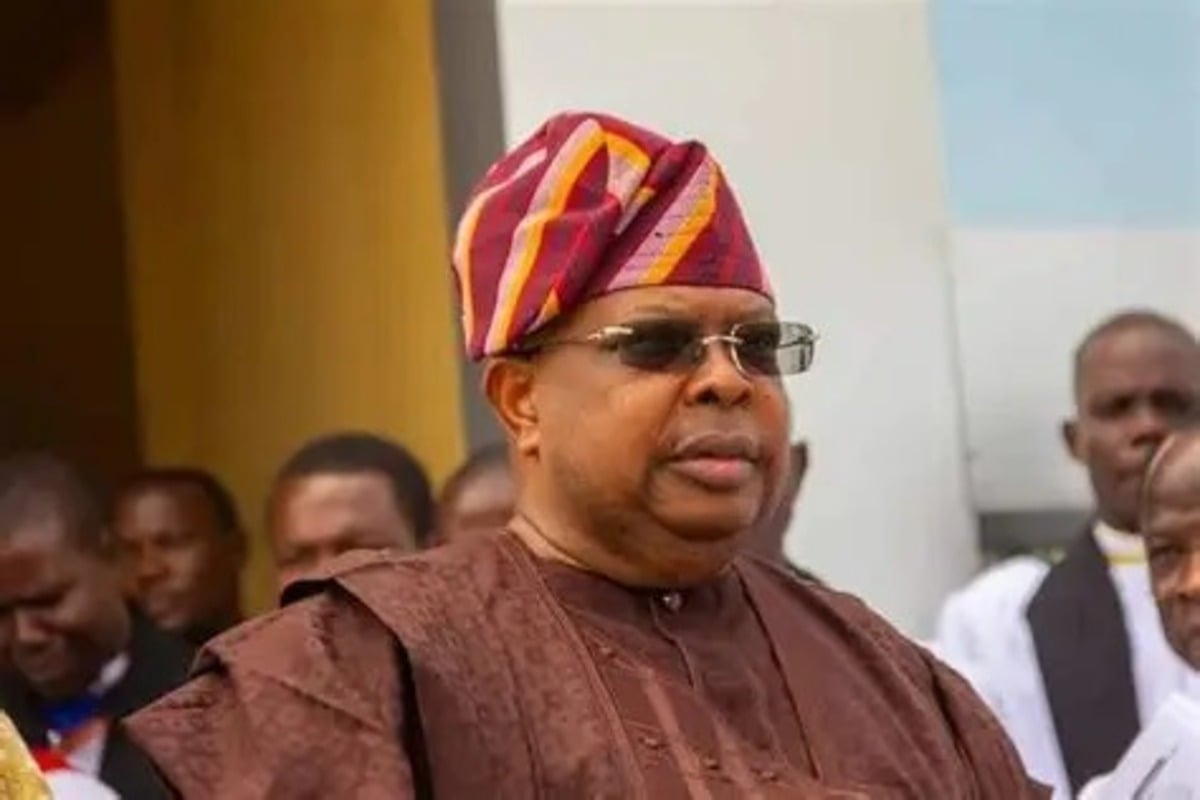
Adegoke Adelabu, a former Minister of Power, is a warning example. His time in office showed how hard it is to balance political interests with the need for real reform.
Adelabu’s focus on political deals and patronage undermined regulators’ credibility and slowed progress. In a sector that needs transparency, long-term planning, and strong regulation, this approach did not work.
Previous reform efforts, such as those under Adelabu, often faltered due to inconsistent policy implementation, lack of stakeholder buy-in, and short-term political pressures. Tegbe’s approach must emphasise steady, data-driven decision-making, institutional capacity building, and transparent monitoring to overcome these historical pitfalls.
For Tegbe to succeed, he should base reforms on data, strong systems, and sustainability rather than letting politics get in the way.
Several risks could impede progress, including political interference, regulatory uncertainty, and infrastructural sabotage.
Tegbe should establish a risk management unit within the Ministry to anticipate challenges, develop contingency plans for grid failures, and maintain transparent communication with the public to manage expectations.
Implications of Tegbe’s Appointment
With Tegbe in charge, there is hope for fewer grid failures, more investment, greater use of renewable energy, and renewed trust in Nigeria’s electricity sector.
For instance, Ghana’s power sector reforms in the 2010s—focused on transparent regulation, cost-reflective tariffs, and private sector investment—reduced outages by 53% over five years (World Bank, 2019).
If Nigeria can implement similar best practices, the country’s power sector could see substantial improvements. The results of Tegbe’s leadership will shape the future of the Ministry of Power and the country’s energy sector.