
Table of Contents
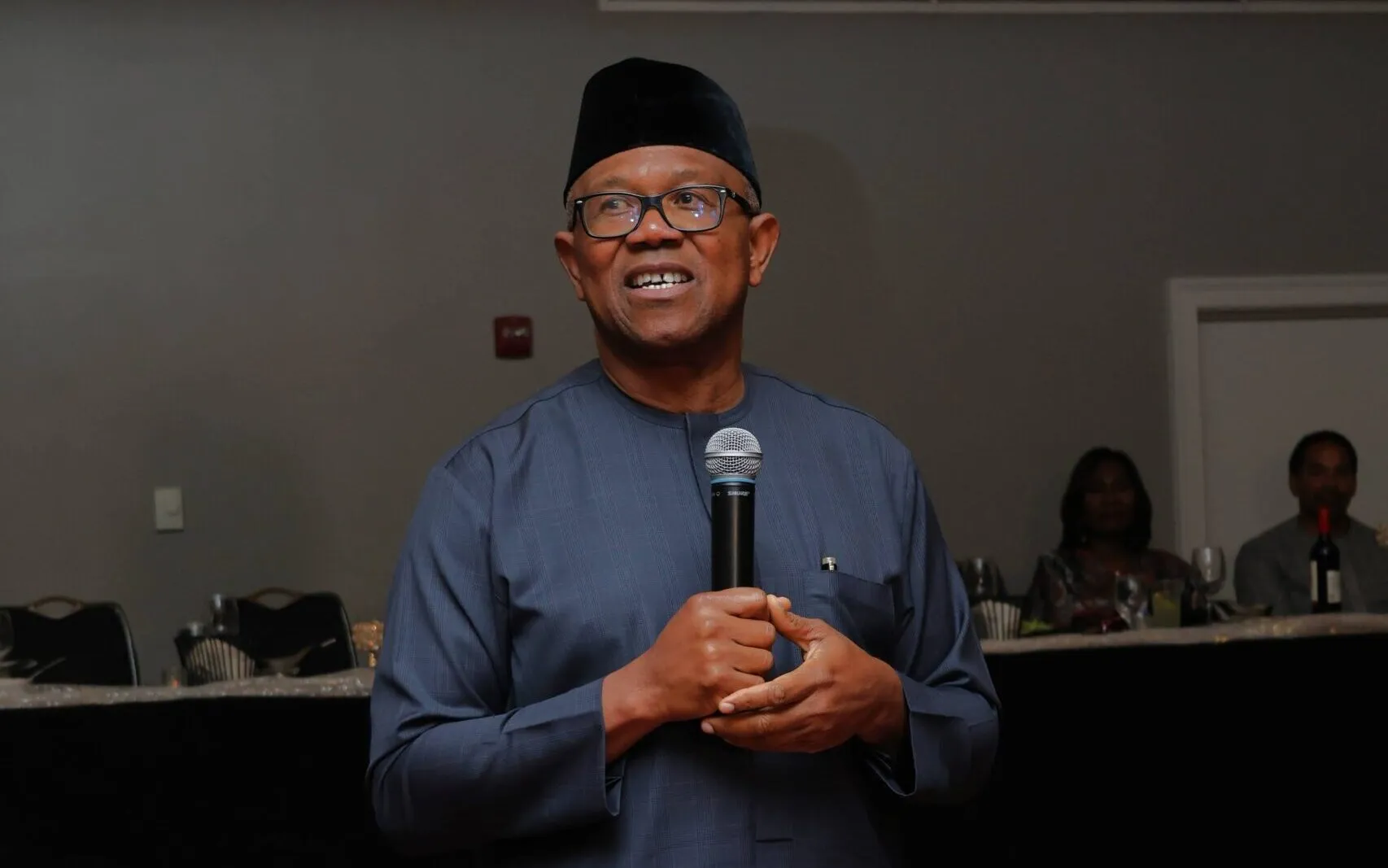
Peter Obi has changed political parties several times during his career. He started from the All Progressives Grand Alliance (APGA), the platform from which he emerged as the Anambra State Governor, swearing he would never dump the political party that launched him to the limelight and gave him power.
But as if to renege on his vow, he defected to the Peoples Democratic Party (PDP), to the Labour Party (LP), then to the Action Democratic Congress (ADC), and is now interested in the Nigeria Democratic Congress (NDC).
These moves have sparked debate over whether Obi is adapting to Nigeria’s changing political scene or simply seeking the best way to pursue his presidential ambitions.
Obi said he left the ADC because of ongoing legal issues and internal disagreements. Still, some observers think Atiku Abubakar’s strong influence in the party may have played a role.

They believe Obi may have been worried about competing with Atiku’s established supporters. This view leads to questions about whether Obi is willing to face tough challenges within his party and, more broadly, in national politics.
Strengths: Youth Engagement and Reformist Image
Obi’s main strength comes from the Obidient Movement, a passionate, youth-led group that energised the 2023 elections.
This movement is built on values like accountability and integrity. Unlike traditional parties, it relies on digital outreach, crowdfunding, and volunteers.
However, experts warn that being popular online does not always lead to winning votes. Obi will need people who can reach voters at the grassroots level.
Some also say his reform message may not be as strong as it was in 2023, when young people were especially enthusiastic about his ideas.
Some critics say Obi’s populist style depended on using questionable statistics to show he understands Nigeria’s problems. They argue that this approach may not be as effective now as it was before.
If Obi teams up with Kwankwaso under the NDC, he could reach northern grassroots supporters through the Kwankwasiyya movement.
This partnership might help bridge Nigeria’s rare north-south divide. Since NDC is not well-known and has little internal conflict, it gives Obi a fresh start for his reform ideas.
Challenges: Defections and Perceived Vulnerabilities
Obi’s repeated party changes make his ambitions seem less stable. Each switch hurts his credibility and raises questions about whether he is acting out of strength or desperation.
His lack of a strong party structure and reliance on enthusiasm rather than on institutional building make people doubt whether he can turn his momentum into lasting political power.
Atiku’s influence is significant. Obi’s departure from ADC is seen by some as an indication that he was unwilling to challenge Atiku’s dominance.
This has led to questions about whether Obi can manage internal competition and, by implication, the broader demands of national leadership.
Obi has also faced criticism for favouring his Southeastern base over promoting broader national interests. Detractors claim he does not always address issues involving his region, raising concerns about his suitability to lead a diverse nation like Nigeria.
The APC Factor: A Major Obstacle
Even if Obi makes progress with the NDC, he still faces a major challenge: the stronghold of the All Progressives Congress (APC).
As the ruling party, APC has nationwide visibility and the advantages that come with being in power.
APC governors in many states control political networks that reach deep into local communities.
The party’s influence extends from ward leaders to traditional rulers, ensuring mobilisation both online and in person with strong grassroots support.
This is very different from Obi’s focus on online enthusiasm, which often does not lead to actual votes at polling stations.
The APC also has much more money than the Obidient Movement, which relies on crowdfunding and volunteers.
Running elections in Nigeria is expensive, with costs for logistics, security, and voter turnout. APC’s ability to spend money across different regions gives it a strong advantage.
Incumbency allows APC control of bureaucratic tools—appointments, contracts, and patronage that shape loyalty. APC’s networks across ministries reinforce the dependence that emerging platforms like NDC cannot match.
For Obi, APC is more than just a competitor; it is a powerful force in politics. His appeal to young people and reform ideas may inspire, but without a strong organisation, these efforts could be overwhelmed by APC’s established networks.
If he cannot turn passion into real structures, APC’s dominance may be too much to overcome. Given the factors in play, it remains to be seen whether Obi’s recent party switch will ultimately benefit his political aspirations.
The possible alliance with Kwankwaso under NDC remains uncertain, but if it materialises, it could create a coalition that challenges both APC and PDP across Nigeria. Obi brings energy from southern youth, while Kwankwaso offers strong grassroots support in the north. Still, there are clear risks.
If Obi leads, Kwankwaso’s supporters might feel left out. If Kwankwaso leads, Obi’s supporters could feel betrayed. Waiting too long to decide could slow their momentum before 2027.
Most importantly, Obi’s repeated party changes —and the idea that he left ADC to avoid Atiku could hurt his chances by making it seem like he wants power without working for it.
Looking Ahead to 2027
Obi’s hopes for 2027 depend on whether he can change the view that his frequent party changes show instability, desperation, and a dislike of internal competition. These issues raise questions about his ability to lead.
The strong position of APC also puts his reform promises at risk, as doubts about his discipline and leadership skills may overshadow his campaign.
Obi must show he can build systems and lead, not merely rely on borrowed platforms. Otherwise, his ambition may falter, not from lack of popularity but from a clear pursuit of platforms over foundations.
Promise and Uncertainty
Obi’s move from ADC could work out if NDC becomes a strong national party and his alliance with Kwankwaso lasts. Some analysts doubt that NDC can become a major player in Nigeria’s politics before the next elections.
Still, Obi’s weaknesses—such as instability, desperation, fear of Atiku’s influence, lack of structure, and APC’s strength—could outweigh his progress.
As 2027 approaches, many see Obi’s presidential ambition as troubled by the idea that, despite his popularity, he seeks shortcuts and party platforms rather than building lasting foundations. If he does not address this view, it could shape his political future.