

TheDigger Intelligence Unit
Obesity’s Molecular Memory
Losing weight may not be the end of the battle against obesity‑related diseases.
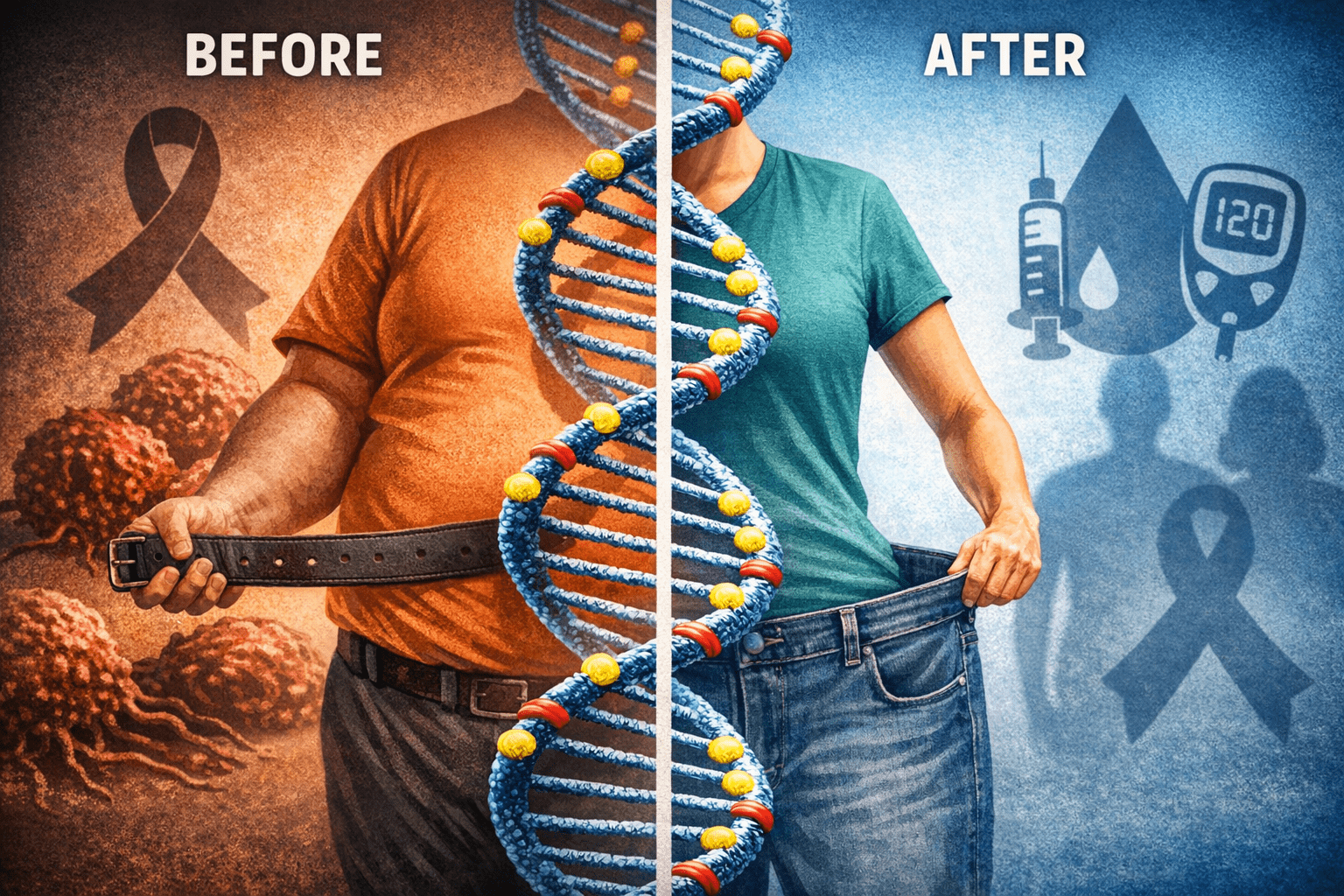
A new study from the University of Birmingham has revealed that the body retains a “memory” of obesity for up to ten years, leaving people vulnerable to type 2 diabetes and certain cancers long after shedding excess fat.

What Is DNA Methylation?
DNA methylation is a biochemical process where methyl groups are added to DNA molecules, affecting how genes are expressed without changing the underlying genetic code.
In the context of obesity, this process can cause immune cells to behave differently—sometimes leading to chronic inflammation or weakened defences.
Crucially, these changes do not always revert, even after substantial weight loss.
How Obesity Alters Immunity
Researchers discovered that obesity triggers a process called DNA methylation, which “tags” immune cells and alters their function.
These changes persist even after weight loss, weakening the immune system and diminishing its ability to clear waste.
The result is a lingering risk of metabolic diseases and cancers, despite lifestyle improvements.
Why Does the Body ‘Remember’ Obesity?
Scientists believe that the body’s long-term memory of obesity is an example of ‘epigenetic memory.’ This means that lifestyle and environmental factors, such as diet and body weight, can leave lasting marks on our DNA.
These marks influence how our genes behave in the future, explaining why risks persist even after visible weight is lost.Long-Term Findings Across Groups
Professor Claudio Mauro, co‑lead author of the study, explained that short‑term weight loss may not immediately reduce the danger of conditions linked to obesity.
Blood samples taken over a decade from different groups—including patients on weight‑loss injections, those with Alstrom syndrome, and participants in exercise programmes—confirmed that immune cells carried this molecular record of past obesity.
Tests on mice fed high‑fat diets and healthy volunteers reinforced the findings.
The Global Impact
The implications are stark. With more than one billion people worldwide now living with obesity, and nearly two‑thirds of UK adults overweight, the study suggests that the health risks go well beyond the visible weight.
In Britain alone, obesity is linked to over 18,000 preventable cancer cases, making it the second leading cause of the disease after smoking.
Potential for Reversing the Effects
Researchers are now investigating whether interventions beyond weight loss—such as specific diets, exercise regimens, or new medications—can reverse the epigenetic changes linked to prior obesity.
Early data suggest that some of these approaches may gradually restore immune cell function, but more long-term studies are needed. Lasting Epigenetic Changes
Dr Belinda Nedjai of Queen Mary University London, a senior author of the paper, said the research shows obesity leaves “durable epigenetic modifications” that shape immune cell behaviour.
This means the body’s defences carry an enduring imprint of past metabolic stress, influencing long‑term disease risk.
Managing the Lingering Risk
The findings also point out the potential role of drugs such as SGLT2 inhibitors, already used to treat diabetes and heart failure, in helping restore immune health in people with obesity.
But the message is clear: while losing weight is vital, the shadow of obesity lingers, and sustained management is essential to reduce the risks that remain for years after the scales tip down.