
Behind Bill Gates’ marital split and ties to Jeffrey Epstein lies a story of personal scandal and public scrutiny whose consequences continue to ripple into Nigeria. KEHINDE ADEGOKE reports.
The unravelling of Bill Gates’ billion-dollar marriage under Jeffrey Epstein’s shadow sparked a media storm with consequences that quietly reached Nigeria’s power, philanthropy, and public health.
With the Gates Foundation announcing fresh funding for African health initiatives in early 2026, and renewed scrutiny of global philanthropy in the wake of new revelations about elite networks, Nigeria’s ties to Gates-backed projects have never been more significant—or more complex.
The Divorce That Was Never Just About Money

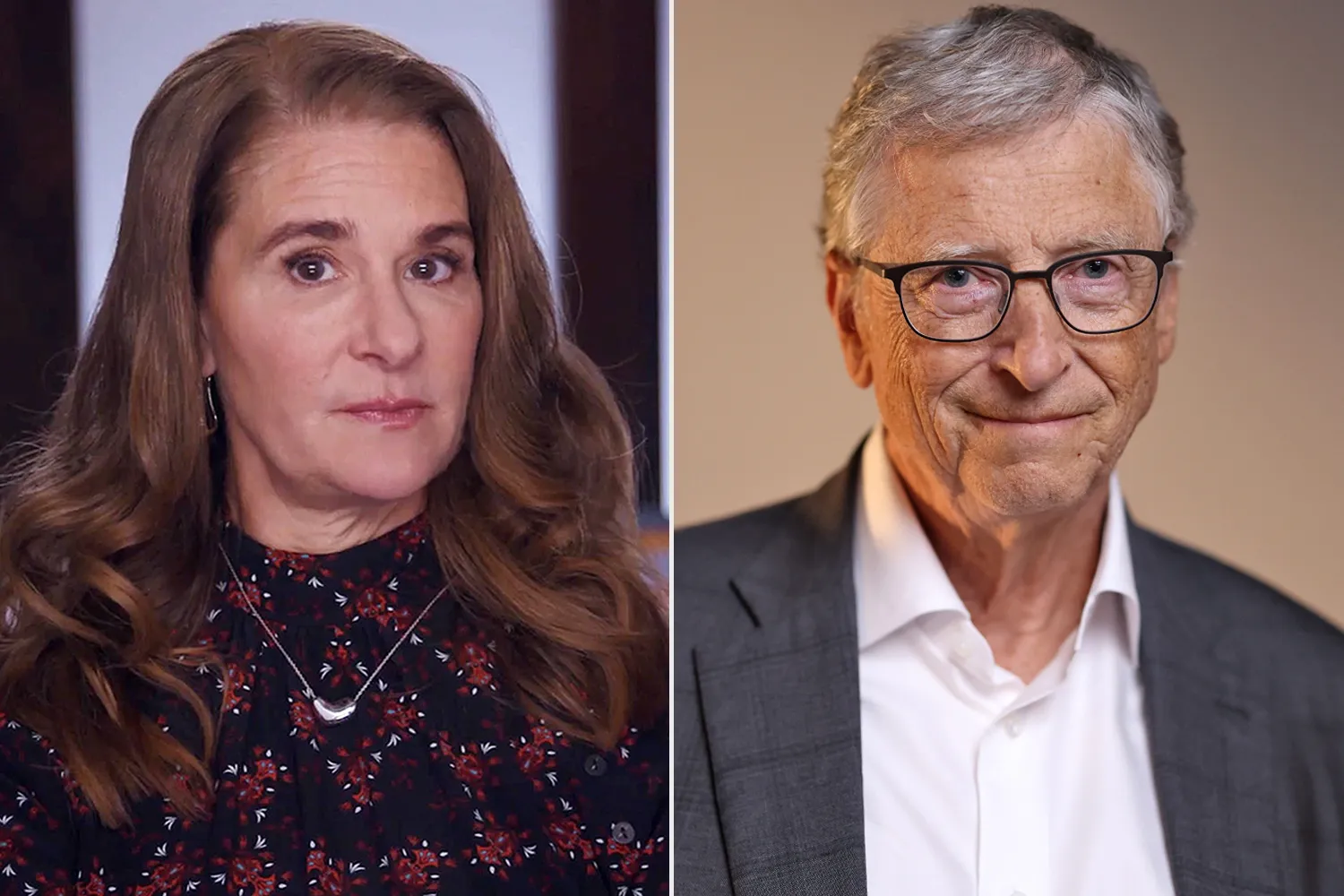
Media coverage of Gates’s recent admissions often treats them as a Western celebrity scandal: a billionaire philanthropist confessing to two affairs with Russian women and calling his time with Epstein a “huge mistake.” Less reported is how these revelations shaped Melinda French Gates’s decision to leave a marriage long presented as an alliance for good.
In private interviews and her memoir, Melinda stresses that Bill’s infidelity and Epstein ties weren’t minor; they formed a pattern of broken trust, making the marriage untenable. She called Epstein “abhorrent” and “evil personified,” and disliked her husband’s association with him—factors that shaped her decision to leave. Still, she insists it wasn’t a single event, but a steady erosion of emotional safety and alignment.
A Scandal That Quietly Reshapes A Foundation’s Brand
Gates presents his missteps as personal failures and serious misjudgments. He admitted to two affairs while married and called his association with Epstein—after Epstein’s conviction—a grave error. Yet, he claims he did nothing illicit, never spent a night with Epstein, nor stayed on his island.
For those relying on his foundation’s money, the issue is not legal guilt but reputation. Behind the logo sponsoring health and governance sits a founder marked by deception and poor judgment. Nigerian partners quietly read each grant letter, technical framework, and agreement with this in mind.
Melinda’s Exit And The Unspoken Nigerian Echo
In a recent episode of NPR’s Wild Card podcast, Melinda French Gates described the latest Epstein files as “unbelievable sadness,” emphasising that the real victims are the young girls Epstein exploited and the women now speaking out. She also said that questions about what happened in her marriage are no longer hers to answer—that they belong to “those people and for even my ex‑husband.”
For audiences in Nigeria, Melinda’s distinction between her story and Bill’s actions quietly resonates. Her transition from co-founder-wife to independent philanthropist via Pivotal Ventures embodies a familiar archetype: the partner choosing clarity over shared branding, leaving entanglement behind. This is rarely framed as a moral choice, though it echoes the tension between public image and private integrity that many high-profile marriages exhibit.
How A “Global Scandal” Becomes Local Risk
Unreported is the subtle impact of these revelations on Gates-funded institutions. Some partners now review each proposal, grant, and framework through a dual lens.
Is this project technically sound and well‑resourced?
And, more quietly, who is ultimately behind this money, and what does his moral track record say about the conditions that might come with it?
There is no official statement declaring Gates’ dollars problematic, but the scandal has prompted institutions to approach donors more cautiously. Admiration for “the world’s greatest philanthropist” has given way to a detached, almost clinical focus on contracts, clauses, and exit strategies.
Epstein’s Shadow Over African Aid
Gates has said he met Epstein to access ultra-rich donors for global health—a move he now regrets as a misjudgment. What was once dismissed as naïve now prompts a wider re-examination in light of new Epstein files and Gates’s admissions regarding his marriage.
For transparency advocates, this prompts a critical question: if a data-driven philanthropist could misjudge Epstein, what else might be overlooked? Privately, some ask if this same lapse affects the foundation’s work with fragile states and local governance in Nigeria.
An Affair, A Network, And A Nigerian Reckoning
In the West, the story centres on personal fallout—Bill, Melinda, Epstein, the Russian women, and the impact on the foundation’s image. But in Nigeria, it also exposes how elites’ private choices shape schools, clinics, and governance far away.
The real story, yet to be widely told, isn’t about forgiveness or Melinda’s strength. It concerns how a billionaire’s fall from grace reshapes institutional engagement with power, funding, and leaders who present philanthropy as altruism.
𝗞𝗲𝗵𝗶𝗻𝗱𝗲 𝗔𝗱𝗲𝗴𝗼𝗸𝗲 𝗶𝘀 𝗮𝗻 𝗮𝘄𝗮𝗿𝗱-𝘄𝗶𝗻𝗻𝗶𝗻𝗴 𝗶𝗻𝘃𝗲𝘀𝘁𝗶𝗴𝗮𝘁𝗶𝘃𝗲 𝗷𝗼𝘂𝗿𝗻𝗮𝗹𝗶𝘀𝘁 𝘄𝗶𝘁𝗵 𝗺𝗼𝗿𝗲 𝘁𝗵𝗮𝗻 𝟭𝟱 𝘆𝗲𝗮𝗿𝘀 𝗼𝗳 𝗱𝗶𝘀𝘁𝗶𝗻𝗴𝘂𝗶𝘀𝗵𝗲𝗱 𝗲𝘅𝗽𝗲𝗿𝗶𝗲𝗻𝗰𝗲 𝘂𝗻𝗰𝗼𝘃𝗲𝗿𝗶𝗻𝗴 𝘀𝘁𝗼𝗿𝗶𝗲𝘀 𝘁𝗵𝗮𝘁 𝘀𝗵𝗮𝗽𝗲 𝗽𝘂𝗯𝗹𝗶𝗰 𝗱𝗶𝘀𝗰𝗼𝘂𝗿𝘀𝗲. 𝗪𝗶𝘁𝗵 𝘁𝗵𝗿𝗲𝗲 𝗶𝗻𝗱𝘂𝘀𝘁𝗿𝘆 𝗻𝗼𝗺𝗶𝗻𝗮𝘁𝗶𝗼𝗻𝘀 𝗮𝗰𝗿𝗼𝘀𝘀 𝗱𝗶𝘃𝗲𝗿𝘀𝗲 𝗯𝗲𝗮𝘁𝘀, 𝗵𝗲 𝗵𝗮𝘀 𝗲𝗮𝗿𝗻𝗲𝗱 𝗿𝗲𝗰𝗼𝗴𝗻𝗶𝘁𝗶𝗼𝗻 𝗳𝗼𝗿 𝗳𝗲𝗮𝗿𝗹𝗲𝘀𝘀 𝗿𝗲𝗽𝗼𝗿𝘁𝗶𝗻𝗴, 𝗶𝗻𝗰𝗶𝘀𝗶𝘃𝗲 𝗮𝗻𝗮𝗹𝘆𝘀𝗶𝘀, 𝗮𝗻𝗱 𝗮 𝗰𝗼𝗺𝗺𝗶𝘁𝗺𝗲𝗻𝘁 𝘁𝗼 𝗮𝗰𝗰𝗼𝘂𝗻𝘁𝗮𝗯𝗶𝗹𝗶𝘁𝘆. 𝗔𝘀 𝗠𝗮𝗻𝗮𝗴𝗶𝗻𝗴 𝗘𝗱𝗶𝘁𝗼𝗿 𝗮𝗻𝗱 𝗖𝗘𝗢 𝗼𝗳 𝗧𝗵𝗲𝗗𝗶𝗴𝗴𝗲𝗿𝗡𝗲𝘄𝘀.𝗰𝗼𝗺, 𝗔𝗱𝗲𝗴𝗼𝗸𝗲 𝗹𝗲𝗮𝗱𝘀 𝗮 𝗽𝗶𝗼𝗻𝗲𝗲𝗿𝗶𝗻𝗴 𝗻𝗲𝘄𝘀𝗿𝗼𝗼𝗺 𝗱𝗲𝗱𝗶𝗰𝗮𝘁𝗲𝗱 𝘁𝗼 𝗲𝘅𝗽𝗼𝘀𝗶𝗻𝗴 𝗵𝗶𝗱𝗱𝗲𝗻 𝘁𝗿𝘂𝘁𝗵𝘀, 𝗮𝗺𝗽𝗹𝗶𝗳𝘆𝗶𝗻𝗴 𝗺𝗮𝗿𝗴𝗶𝗻𝗮𝗹𝗶𝘇𝗲𝗱 𝘃𝗼𝗶𝗰𝗲𝘀, 𝗮𝗻𝗱 𝘀𝗲𝘁𝘁𝗶𝗻𝗴 𝗻𝗲𝘄 𝘀𝘁𝗮𝗻𝗱𝗮𝗿𝗱𝘀 𝗶𝗻 𝗶𝗻𝘃𝗲𝘀𝘁𝗶𝗴𝗮𝘁𝗶𝘃𝗲 𝗷𝗼𝘂𝗿𝗻𝗮𝗹𝗶𝘀𝗺.
TheDiggerNews.com | www.thediggernews.com | 08039135472 | Ibadan, Nigeria