

From exam malpractice to online fraud, a Lagos professor warns that unchecked peer pressure, poverty, and digital risks are steering a generation toward crisis.
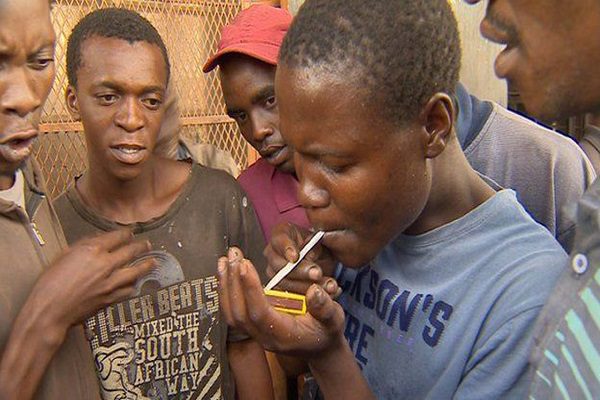
Lagos: At Lagos State University of Education’s 3rd Inaugural Lecture, Prof. Morufu Daodu sounded the alarm: Nigeria’s adolescents are navigating stormy seas of drug abuse, cybercrime, cultism, and exam malpractice. With 14.4% of Nigerians hooked on psychoactive substances and secondary school students increasingly exposed to alcohol, Daodu cautioned that unchecked peer pressure, digital risks, and poverty are steering a generation toward self-destruction unless urgent intervention is made.
He presented these statistics at the 3rd LASUED Inaugural Lecture in Lagos.
During his lecture titled “Stormy Seas of Adolescence: Stakeholder Contract in the Advancement of Normalcy,” Daodu observed that in some regions, one in every three secondary school students consumed alcohol.

He added that among high school students surveyed, 17.3 per cent reported having used substances at least once in their lifetime, according to cited studies.
Daodu, who is also the Deputy Vice-Chancellor, Academic, LASUED, also expressed concern over examination malpractice.
He reported that more than 4,000 cases of fingerprint manipulation were documented during the 2025 Unified Tertiary Matriculation Examination (UTME).
He observed that cultism has expanded beyond tertiary institutions to secondary schools, exposing young people to violence, intimidation, and trauma.
He stated that negative peer pressure and aggressive behaviour contribute to adolescents engaging in truancy, unsafe sexual practices, and other forms of misconduct.
He further noted that cybercrime, also referred to as Yahoo-Yahoo, poses a significant threat to the future and moral character of many adolescents.
Daodu noted that adolescents are growing up in a highly digital age, where widespread access to smartphones and the internet provides opportunities for learning and innovation.
He explained that this access also exposes adolescents to risky and unethical online practices.
According to him, cybercrime among adolescents includes online fraud, identity theft, hacking, cyberbullying and other internet-enabled scams.
He explained that such behaviours are commonly influenced by peer dynamics, curiosity, the allure of quick wealth, and limited awareness of legal and moral consequences.
He added that involvement in cybercrime not only harms victims but also jeopardises the future, reputation, and moral character of the perpetrators.
He emphasised that preventing cybercrime requires digital literacy, moral instruction, firm law enforcement, and positive engagement in productive online activities.
The professor described cybercrime as one of several harmful behaviours that pose significant risks to adolescents.
He listed other threats as including drug abuse, social media addiction, examination malpractice, cultism, indecent dressing, negative peer pressure and aggressive behaviour.
Daodu said that excessive use of social media was exposing adolescents to distraction, cyberbullying, anxiety and reduced self-worth.
He stressed that addressing adolescent challenges required the collective efforts of parents, teachers, counsellors, religious leaders, policymakers and the wider society.
The don called for the immediate and robust implementation of stronger counselling services, accessible and inclusive education, comprehensive moral guidance, and decisive law enforcement. He emphasised that acting now is essential to equip adolescents with the necessary tools to navigate modern challenges and secure a better future.
He urged governments to take swift and proactive measures to enforce laws safeguarding adolescents from abuse, exploitation, child labour, and early marriage, while prioritising the creation of transformative policies for youth development and employment. He stressed that immediate government intervention is crucial and can fundamentally change young lives.
The professor of Counselling Psychology recommended early moral education to teach values such as honesty, discipline, respect and responsibility from childhood.
He called for the provision of safe recreational spaces, including sports centres, libraries and youth hubs, where adolescents could engage in productive activities.
He noted that addressing poverty and inequality was critical, as many risky behaviours were linked to economic hardship.
Furthermore, he called on governments and non-governmental organisations to urgently initiate and sustain well-resourced poverty alleviation programmes for vulnerable families. He stressed that unwavering collective commitment is vital for breaking the cycle of exposing adolescents to risk.
Daodu also strongly advocated for the immediate and strict enforcement of laws against child abuse, trafficking, drug distribution, and recruitment of adolescents into criminal activities. He called on all stakeholders to actively join forces and ensure these protections are upheld, thereby safeguarding the future of young people.