
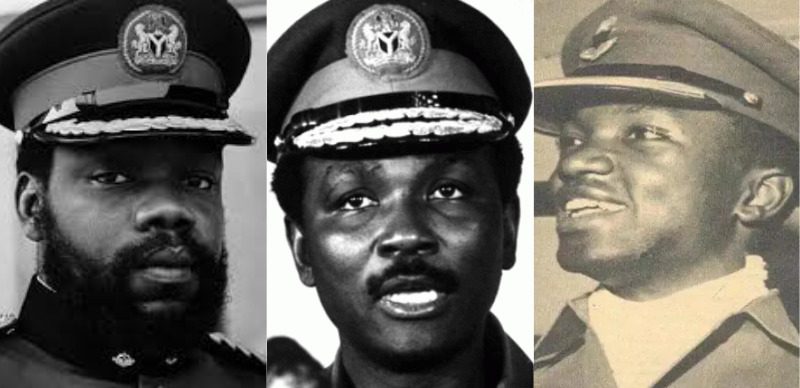
Gowon’s memoir reveals that the greatest threat to the federal war effort was not Ojukwu’s army — it was rank-consciousness within Nigeria’s own officer corps.
There is a detail in General Yakubu Gowon’s new autobiography that warrants further examination. While it may not be among the most notable disclosures in My Life of Duty and Allegiance—such as the Ojukwu–Rothschild mineral deal—or the most politically significant, illustrated by the Wole Soyinka-Victor Banjo allegation, it could be a structurally important point in the 859-page volume.
The revelation: as Nigeria fought to remain united, its officer corps was paralysed by seniority issues—a deep, institutional resistance to serving under juniors. This persisted regardless of operational need or the Commander-in-Chief’s direct orders.
Gowon’s memoir doesn’t frame it that way. Instead, he recounts each episode as an anecdote about individual officers. Together, these reveal a pattern—a question for military historians: How close did rank-consciousness come to costing Nigeria the war?

Three Fronts, One Fracture
The seniority crisis documented in Gowon’s memoir played out simultaneously on three distinct fronts, involving three of the most consequential figures in Nigeria’s military history.
The first front was Gowon himself.
When Gowon became head of state after the July 1966 counter-coup, he was a lieutenant colonel. That was two full ranks below Brigadier Babafemi Ogundipe, who should have been appointed by conventional protocol. Commodore Joseph Wey and Colonel Adeyinka Adebayo were also his seniors. If the army’s chain of command had been strictly applied, someone else would have become head of state.
Admiral Wey convinced the Supreme Military Council to back Gowon. He commanded respect and led in a crisis. Gowon gained power through persuasion, not rank. Subordinates knew, affecting his authority.
The next front further complicates the crisis: It involves Ojukwu.
Ojukwu rejected Gowon’s authority. He argued that protocol was ignored in the appointment of Ironsi’s successor and saw Gowon as his junior. His refusal was not just personal. It was a calculated use of the logic guiding the corps. Early on, his secession partly rejected what he saw as illegitimate command.
The irony is devastating. Gowon fought a war to keep Nigeria united, but, at its root, it was also a war about whether a junior officer could command a senior one.
The crisis’s third and final front, which added another layer, featured Obasanjo.
Assigned as Rear Commander in Ibadan, Obasanjo refused to serve under Murtala Muhammed—his junior—who led 2 Division.
Gowon did not discuss the assignment’s merits or try to persuade Obasanjo. As Commander-in-Chief, he said he could send officers where needed. Obasanjo obeyed only under direct command, not from belief in the assignment.
The Pattern Beneath the Episodes
These three episodes are not just personality clashes. They show a military where seniority was more than a protocol. It became an ideology. Officers used seniority to challenge operational needs and the Commander-in-Chief’s orders. At least once, it even threatened the nation’s unity.
This is a strategic problem. If officers refuse postings due to seniority, the Commander-in-Chief cannot deploy talent as needed. Gowon could not simply pick the best officer. He had to negotiate, persuade, or use his authority. In some cases, like Ojukwu, he failed. Each negotiation wasted time and energy that should have gone to fighting the enemy.
It also reveals an overlooked Civil War fact: the federal side did not win quickly. The brief campaign stretched into thirty brutal months. Most explanations cite Biafra’s resistance, support for Ojukwu, and the humanitarian crisis. All mattered.
Gowon’s memoir adds an internal factor. The command structure was disputed from the start and undermined by the same seniority logic that caused the crisis.
The Deeper Historical Irony
Gowon’s memoir suggests a symmetry: Ojukwu rejected Gowon as a junior, leading to war. Obasanjo, too, refused to serve under his junior, Murtala.
Ojukwu refused to serve under Gowon because he was his junior. The result: secession and war.
Obasanjo refused to serve under Murtala, his junior.
This led to a direct confrontation with the Commander-in-Chief, resolved by personal authority rather than institutional order.
Murtala Muhammed — the same officer Obasanjo refused to serve under — later overthrew Gowon in 1975. After his assassination, he handed power to Obasanjo. Murtala became a national hero. Obasanjo, who once said he would never serve under Murtala, ended up governing Nigeria in Murtala’s name.
History rarely produces such ironic clarity. It happens when institutions fail to resolve their contradictions, merely covering them up.
What the Memoir Leaves Unasked
To his credit, Gowon doesn’t claim to have solved the seniority crisis. He managed each issue directly, admitting the institution stayed broken.
Nigeria’s subsequent military history—coup after coup, all justified by legitimacy—shows seniority didn’t end with the war. It changed form, resurfacing in new crises with new Ojukwus and Obasanjos during national stress.
An autobiography by a 91-year-old former head of state, launched at a conference centre named for President Bola Tinubu, is an unlikely setting for such arguments. Yet, in Chapter 14, they await any analyst who sees past personalities.
The Obasanjo-Murtala confrontation is a good story. The seniority crisis that produced it is significant.
𝐊𝐞𝐡𝐢𝐧𝐝𝐞 𝐀𝐝𝐞𝐠𝐨𝐤𝐞 𝐢𝐬 𝐚𝐧 𝐚𝐰𝐚𝐫𝐝-𝐰𝐢𝐧𝐧𝐢𝐧𝐠 𝐢𝐧𝐯𝐞𝐬𝐭𝐢𝐠𝐚𝐭𝐢𝐯𝐞 𝐣𝐨𝐮𝐫𝐧𝐚𝐥𝐢𝐬𝐭 𝐰𝐢𝐭𝐡 𝐦𝐨𝐫𝐞 𝐭𝐡𝐚𝐧 𝟏𝟓 𝐲𝐞𝐚𝐫𝐬 𝐨𝐟 𝐝𝐢𝐬𝐭𝐢𝐧𝐠𝐮𝐢𝐬𝐡𝐞𝐝 𝐞𝐱𝐩𝐞𝐫𝐢𝐞𝐧𝐜𝐞 𝐞𝐱𝐩𝐨𝐬𝐢𝐧𝐠 𝐬𝐭𝐨𝐫𝐢𝐞𝐬 𝐭𝐡𝐚𝐭 𝐦𝐨𝐮𝐥𝐝 𝐩𝐮𝐛𝐥𝐢𝐜 𝐝𝐢𝐬𝐜𝐨𝐮𝐫𝐬𝐞. 𝐖𝐢𝐭𝐡 𝐭𝐡𝐫𝐞𝐞 𝐢𝐧𝐝𝐮𝐬𝐭𝐫𝐲 𝐧𝐨𝐦𝐢𝐧𝐚𝐭𝐢𝐨𝐧𝐬 𝐭𝐡𝐫𝐨𝐮𝐠𝐡𝐨𝐮𝐭 𝐝𝐢𝐯𝐞𝐫𝐬𝐞 𝐛𝐞𝐚𝐭𝐬, 𝐡𝐞 𝐡𝐚𝐬 𝐞𝐚𝐫𝐧𝐞𝐝 𝐫𝐞𝐜𝐨𝐠𝐧𝐢𝐭𝐢𝐨𝐧 𝐟𝐨𝐫 𝐟𝐞𝐚𝐫𝐥𝐞𝐬𝐬 𝐫𝐞𝐩𝐨𝐫𝐭𝐢𝐧𝐠, 𝐢𝐧𝐜𝐢𝐬𝐢𝐯𝐞 𝐚𝐧𝐚𝐥𝐲𝐬𝐢𝐬, 𝐚𝐧𝐝 𝐚 𝐜𝐨𝐦𝐦𝐢𝐭𝐦𝐞𝐧𝐭 𝐭𝐨 𝐚𝐜𝐜𝐨𝐮𝐧𝐭𝐚𝐛𝐢𝐥𝐢𝐭𝐲. 𝐀𝐬 𝐌𝐚𝐧𝐚𝐠𝐢𝐧𝐠 𝐄𝐝𝐢𝐭𝐨𝐫 𝐚𝐧𝐝 𝐂𝐄𝐎 𝐨𝐟 𝐓𝐡𝐞𝐃𝐢𝐠𝐠𝐞𝐫𝐍𝐞𝐰𝐬.𝐜𝐨𝐦, 𝐀𝐝𝐞𝐠𝐨𝐤𝐞 𝐥𝐞𝐚𝐝𝐬 𝐚 𝐩𝐢𝐨𝐧𝐞𝐞𝐫𝐢𝐧𝐠 𝐧𝐞𝐰𝐬𝐫𝐨𝐨𝐦 𝐝𝐞𝐝𝐢𝐜𝐚𝐭𝐞𝐝 𝐭𝐨 𝐞𝐱𝐩𝐨𝐬𝐢𝐧𝐠 𝐮𝐧𝐬𝐞𝐞𝐧 𝐭𝐫𝐮𝐭𝐡𝐬, 𝐚𝐦𝐩𝐥𝐢𝐟𝐲𝐢𝐧𝐠 𝐦𝐚𝐫𝐠𝐢𝐧𝐚𝐥𝐢𝐬𝐞𝐝 𝐯𝐨𝐢𝐜𝐞𝐬, 𝐚𝐧𝐝 𝐞𝐬𝐭𝐚𝐛𝐥𝐢𝐬𝐡𝐢𝐧𝐠 𝐧𝐞𝐰 𝐬𝐭𝐚𝐧𝐝𝐚𝐫𝐝𝐬 𝐢𝐧 𝐢𝐧𝐯𝐞𝐬𝐭𝐢𝐠𝐚𝐭𝐢𝐯𝐞 𝐣𝐨𝐮𝐫𝐧𝐚𝐥𝐢𝐬𝐦.
𝐓𝐡𝐞𝐃𝐢𝐠𝐠𝐞𝐫𝐍𝐞𝐰𝐬.𝐜𝐨𝐦 | 𝐰𝐰𝐰.𝐭𝐡𝐞𝐝𝐢𝐠𝐠𝐞𝐫𝐧𝐞𝐰𝐬.𝐜𝐨𝐦 | 𝟎𝟖𝟎𝟑𝟗𝟏𝟑𝟓𝟒𝟕𝟐 | 𝐈𝐛𝐚𝐝𝐚𝐧, 𝐍𝐢𝐠𝐞𝐫𝐢𝐚
editor@thediggernews.com