

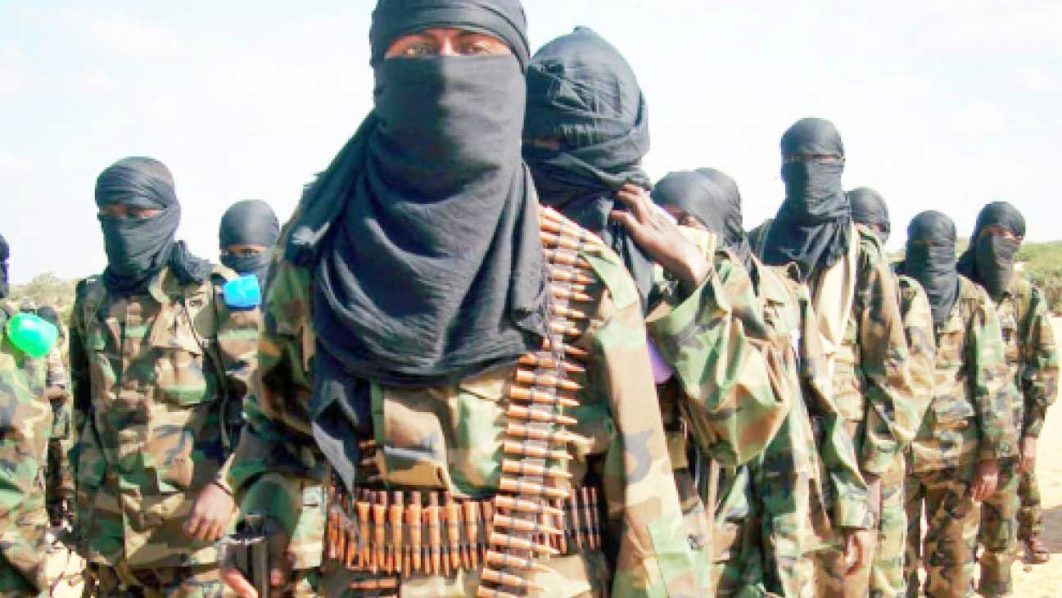
ISWAP’s closure of foreign fighter routes marks a fragile, hard-won turning point—a tactical victory that gives communities in Borno a breather, but one that must be followed by real governance, services, and healing if peace is to hold, TOYE FALEYE reports.
When ISWAP announced it had closed the foreign fighter “hijrah” routes, it wasn’t just a tactical change — it felt like an admission that one of the group’s lifelines had been cut.
For years, those routes brought fighters, weapons, and extremist ideas into Nigeria’s northeast. Now, after sustained pressure from Nigerian forces working with US partners, those channels have largely been shut.
A Real Turning Point

This closure marks a shift in the conflict. ISWAP can no longer easily refill its ranks with foreign fighters, and that loss of outside manpower weakens its claim to be a transnational movement.
Forced to rely mostly on local recruits, the group’s operations are less sophisticated and more constrained.
Nigerian troops, supported by US intelligence and precision strikes, have dismantled key logistics hubs, disrupted revenue streams, and taken out senior leaders. Those blows have left ISWAP wounded and scrambling.
What the US-Nigeria Partnership Changed
Cooperation with the United States has mattered. Intelligence-sharing centres, drone surveillance, and joint exercises like African Lion 2026 have given Nigeria sharper tools to find and target ISWAP networks.
High-level diplomacy this year underscored that Washington views Nigeria as a frontline partner in the region’s fight against violent extremism.
How the Battlefield is Changing
Blocking foreign fighter flows reshapes ISWAP’s playbook. Smuggling and taxation networks that once funded and fed the group are fractured.
Precision raids have removed experienced commanders, leaving the organisation more fragmented and reactive. That’s a big tactical win for Nigeria — but it doesn’t mean the conflict is over.
ISWAP is shifting toward guerrilla tactics and cross-border movement, so the war is entering a new, messier phase.
Success now will depend not only on continued military pressure but on governance, development, and community resilience to prevent the group from re-emerging.
Life after ISWAP in Borno
On the ground in Borno State, people are beginning to rebuild. Villages once under the thumb of taxation and fear are reclaiming everyday freedoms.
Markets are reopening, children are returning to school, and some displaced families are cautiously coming home.
Local vigilance groups like the Civilian Joint Task Force still patrol many areas, filling security gaps and helping restore trust between civilians and the military.
Farmers have started planting again, and small shops are reopening — small signs that economic life is returning.
Education and healing are also part of the recovery. Shuttered schools are reopening with support from NGOs and government programs.
For many families, sending kids back to class is an act of hope and resistance against extremism. Trauma counselling and reintegration programs are helping survivors rebuild their lives, while women’s groups and youth associations work to mend social ties.
These quieter stories of resilience — families returning, children back in school, communities organising to keep one another safe — may be the most important measure of long-term success.
Is Nigeria Winning?
The closure of ISWAP’s foreign fighter routes is both symbolic and strategic: clear evidence that coordinated military effort can work. Still, defeating an insurgency isn’t just a matter of battlefield wins.
The next decisive battles will be fought in villages, schools, and markets, where governance, services, and community strength must outpace extremist influence.
Nigeria has landed a heavy blow, but the conflict is far from finished.
If Borno’s communities continue to rebuild and if governance and development follow the security gains, local resilience could turn ISWAP’s retreat into something permanent.