
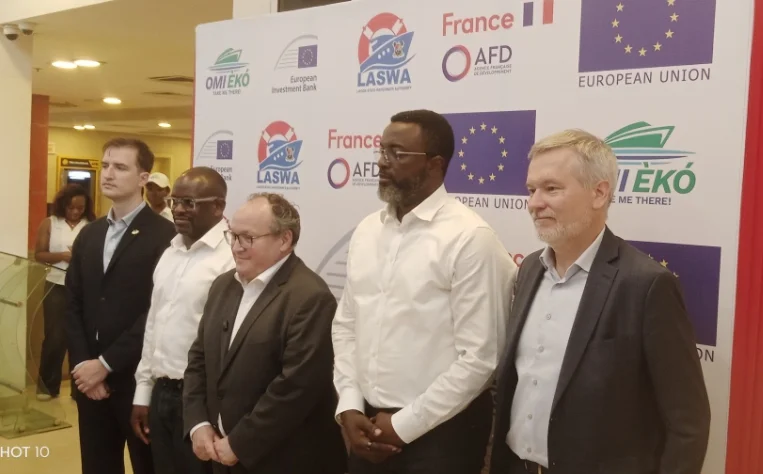
The Lagos State Government’s €170 million water transport deal with EIB Global has been presented as a major leap toward cleaner, faster and more sustainable mobility. But beyond the symbolism of the signing, the real test is whether Lagos can finally fix the long-standing structural problems that have kept its waterways underused, unsafe and fragmented.
The project is ambitious. It promises new ferry routes, upgraded terminals, electric vessels and a push to move more commuters from gridlocked roads to the lagoon. For a city battling chronic traffic congestion, that vision is appealing. Yet Lagos has made big transport promises before, and the gap between policy announcements and practical delivery remains wide.
One of the biggest concerns is governance. Water transport in Lagos has often suffered from overlapping mandates, weak coordination, route bottlenecks and uneven regulation. Without a clear operational framework, fresh investment can easily run into the same administrative problems that have slowed earlier efforts.
Affordability is another fault line. Water transport is often promoted as a modern alternative, but it will only matter to ordinary residents if fares remain realistic. If the new system becomes too expensive, it may serve only a limited class of commuters while leaving the broader transport burden unchanged.

Safety and maintenance also loom large. Lagos waterways are vulnerable to shallow channels, debris, wrecks and environmental hazards, while boat accidents have repeatedly exposed gaps in enforcement and emergency preparedness. Electric ferries and new terminals will improve the optics, but the real challenge is sustaining a safe and dependable system every day.
There is also a deeper accountability question. The project is funded through a complex mix of loans and grants involving the EIB, the European Union and the French Development Agency. That multilateral backing may strengthen the project financially, but it also raises the stakes for transparency, procurement discipline and measurable delivery.
For Lagos, this is more than an infrastructure deal. It is a test of whether the state can move from announcement to execution and turn its waterways into a serious transport network for workers, traders and students. If it succeeds, the project could reshape mobility in Africa’s largest city. If it fails, it may become another costly reminder that funding alone does not solve governance problems.