
Table of Contents
Ondo’s ₦54.7 million boreholes are built and working, but they reveal bigger problems. High costs, rushed procurement, and poor oversight highlight deeper issues with transparency and value for money in Nigeria’s public projects.
TheDigger Intelligence Unit
Even though the boreholes work, the high costs, quick procurement, and weak oversight raise doubts about whether the money was well spent.
The Paper Trail
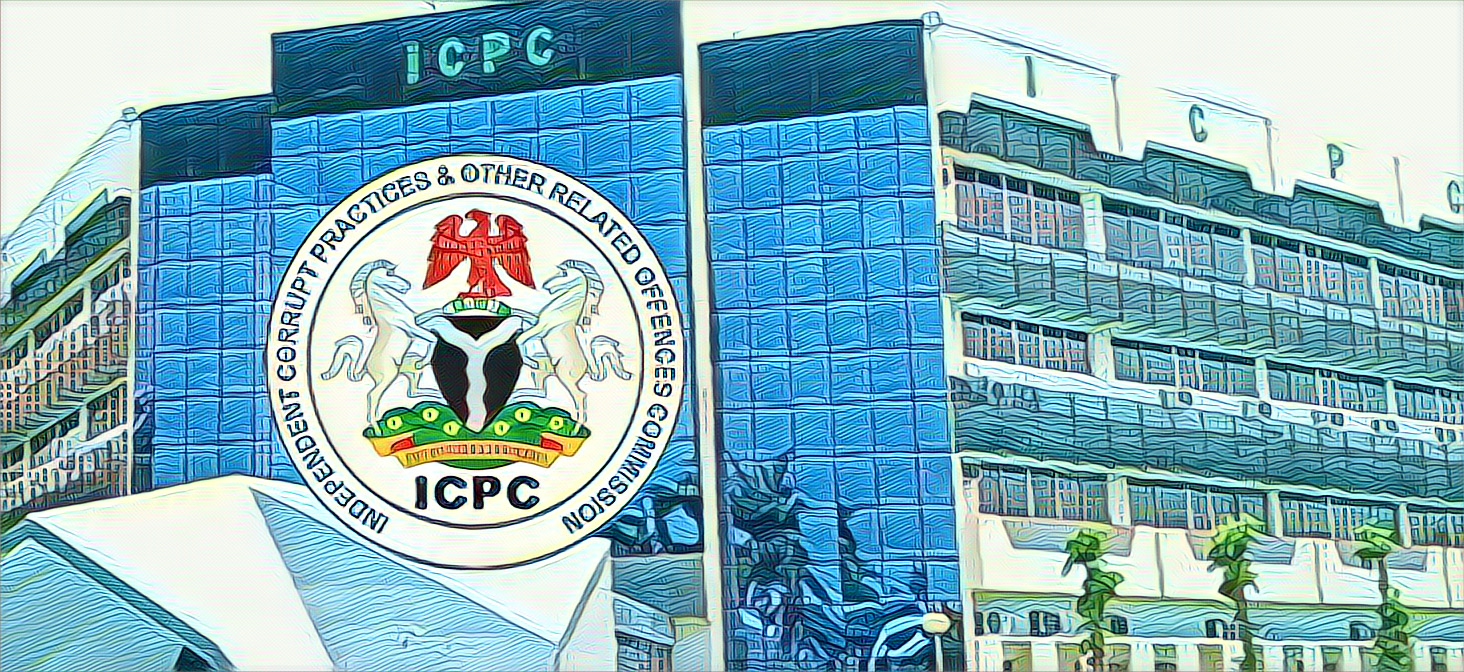
The ICPC tracked three borehole projects in Ondo State, costing ₦54.7 million under the NPHCDA.
TheDiggerNews found the projects finished and working, but also found problems with transparency, cost efficiency, and community involvement.

NPHCDA approved and gave out the contracts in just one day. Procurement experts say this speed means proper checks were skipped and raises questions about how contractors were chosen and whether the bidding was fair.
The Cost Question
Engineers say ₦18 million for each borehole is much higher than normal. The boreholes work, but it is unclear if they were worth the money spent.
Experts say high costs often hide problems like padded budgets, poor oversight, or corruption.
Here, the lack of clear bidding records makes it hard to know if the contractor was chosen fairly or through political ties.
What Was Not Done Properly
TheDiggerNews found the following issues:
There is no evidence of open competition or of the contractor’s past work.
The boreholes were installed without asking the local community, raising concerns about how long they will last.
The ICPC only checks the projects after they are finished, so problems cannot be caught while work is ongoing.
The high cost for each borehole suggests oversight was weak at both the NPHCDA and the Ministry of Health.
Voices from the Ground
Civil society groups in Ondo were glad to see the boreholes but questioned the high cost. “The boreholes exist, but to what end?” one activist asked.
“If ₦54.7 million buys three boreholes, how are funds managed?” asked another.
People in the community were happy to have better access to water, but disappointed that no one asked them where to put the boreholes or how to keep them running.
“We are happy to have water, but nobody asked us how best to sustain it,” a local health worker said.
Comparative Costs across Nigeria
Borehole projects in other states show differences in cost:
Industry experts say boreholes usually cost less than ₦12 million, even in difficult areas.
Ondo’s ₦18 million price is much higher, raising questions about how the contracts were handled and whether prices were inflated.
Governance Context
Nigeria’s public procurement system has long been criticised for opacity and inefficiency.
The Public Procurement Act requires competitive bidding, transparency, and value for money, yet loopholes and political interference often undermine compliance.
Analysts say the Ondo borehole case is a common example: projects get built, but there is little accountability. Whether the project works seems to matter more than how efficiently or transparently it was done.
Call for Honesty and Efficiency
The ICPC’s tracking program is supposed to make sure projects are accountable. Critics say just finishing a project is not enough.
Without clear procurement, smart spending, and community involvement, these projects are just symbols, not real development.
Civil society groups want checks to happen while projects are being built, not just after they are done.
They want bidding documents and contractor details to be made public.
They want projects to match what local people need, include plans for long-term use, and have independent engineers check the budgets before approval.
Accountability Checklist
Contracts were awarded within just 24 hours, raising doubts about whether proper vetting took place.
Each borehole cost ₦18 million—likely higher than necessary—with minimal input from the community.
Oversight only happened after projects were completed, rather than during implementation.
While the boreholes are functional, questions remain about efficiency, transparency, and value for money.
Prioritising Needs, Honesty and Efficiency
The boreholes show that projects can be delivered, but they also highlight problems in Nigeria’s governance.
Just because something works does not mean it is accountable. Unless transparency, cost efficiency, and community needs come first, projects like this will continue to raise questions.
The Ondo case shows a paradox: infrastructure is built, but people still do not trust the government.
Water is available, but doubts about how money is managed remain.