Table of Contents
Strings Attached to Sovereignty
TheDigger Intelligence Unit
Outbreaks and a New Kind of Epidemic
Nigeria’s health system has faced repeated challenges, from Lassa fever in the south to cholera in the north, along with the impact of COVID-19. Now, the country is dealing with a new kind of crisis: a $5 billion pathogen-sharing deal with the United States. While this agreement promises major funding, it also raises tough questions about sovereignty, fairness, and the future of African health diplomacy.
The Scale of the Deal
In December 2025, Nigeria signed a Memorandum of Understanding with the United States that will last until 2030. The deal is worth $5 billion over five years, from April 2026 to December 2030. Almost $2 billion will come from U.S. grants, and Nigeria is required to spend at least six percent of its federal and state budgets on health.
Framed as part of Nigeria’s Renewed Hope Agenda for health sector reform, the MoU is tied to the National Health Sector Renewal Investment Initiative, coordinating reforms with international partners. The sheer scale dwarfs Zimbabwe’s rejected $367 million offer and Zambia’s cautious negotiations. Nigeria has chosen a path others refused, presenting itself as the centrepiece of America’s health diplomacy. But the fine print tells a more complicated story.

Clauses That Raise Alarm
One controversial part of the deal allows the U.S. President or Secretary of State to cancel the agreement at any time for reasons of “U.S. national interests.” This gives the U.S. the power to pull funding without warning, leaving Nigeria’s support uncertain.
Draft annexes reviewed by TheDigger also show $200 million reserved for Christian institutions. Advocacy groups warn that this risks sidelining Muslim‑majority northern states, where disease burdens are highest. Nigeria must also demonstrate “measurable progress” in protecting Christian communities from violence, though the phrase is left deliberately vague, with Washington alone deciding what compliance looks like. At the same time, Nigeria is expected to provide almost $3 billion of its own money, which is a big challenge for a country dealing with debt and a weak naira. The civil society group Health Rights Watch says that linking health funding to religion could make existing regional and religious divides even worse.
Pathogen Sharing: Promise or Peril
The main part of the agreement is pathogen sharing, which means Nigeria must quickly send genetic data and biological samples to U.S. agencies. While this could speed up research, it also means Nigeria gives up some control, raising concerns about losing sovereignty and not getting fair benefits.
Once samples leave Nigeria, the country loses control over them. Nigeria might provide important data, but as seen during COVID-19, it could end up last in line for vaccines. By avoiding global benefit-sharing systems, these one-on-one deals can leave African countries vulnerable in future health emergencies.
A medical expert from the Nigeria Centre for Disease Control (NCDC) warned that pathogen‑sharing without benefit guarantees risks repeating the inequities of COVID‑19.
Nigeria’s Laboratory Dilemma
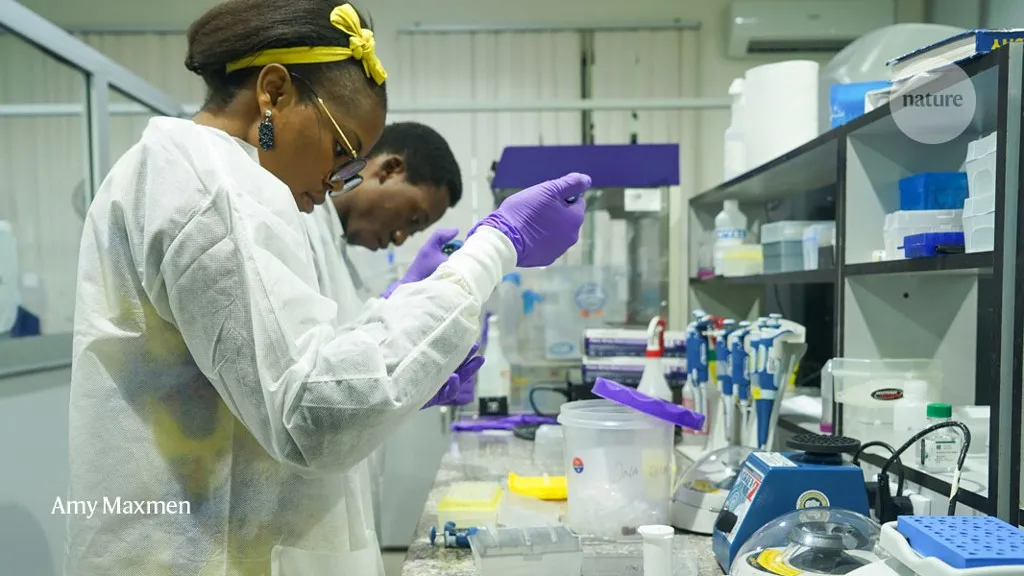
Nigeria has invested in genomic sequencing, making the NCDC a leader in Africa. However, the agreement requires sharing data without any promise of fair vaccine access, leading to doubts about what Nigeria will actually gain from its progress.
A state health commissioner warned that if the funding does not go through national systems, it will hurt long-term progress. He said Nigeria needs investments that build up its own labs, disease tracking, and health workers, not contracts run from outside the country.
Lessons from Neighbours
Zimbabwe rejected its deal because of concerns about sovereignty. Zambia also resisted unfair terms. In contrast, Nigeria accepted a much bigger agreement.
Zimbabwe’s Health Minister, Dr Douglas Mombeshora, explained that sovereignty cannot be traded for aid. Zambia’s negotiators likewise insisted on safeguards against unilateral termination. Civil society groups warn that U.S. funding often goes to outside contractors instead of local institutions, which can weaken local systems and increase dependence. Nigeria’s experience during COVID-19—helping with global tracking but being slow to receive vaccines—serves as a clear warning for future deals. Africa CDC Director-General Jean Kaseya expressed “huge concerns” but chose not to join the talks as an observer, citing respect for sovereignty. As a result, countries must negotiate alone, which weakens their collective bargaining power.
The Crossroads
Nigeria’s $5 billion MoU isn’t just a health investment. It poses a sovereignty dilemma, tests the function of faith in national policy, and risks promoting dependency. The promise of funding is real—but so are the dangers: weakened autonomy, new biases, and greater reliance on outside actors.
Nigeria now faces a tough decision: will this deal really strengthen its health system, or will it tie the country to terms that threaten its long-term independence and fairness?