

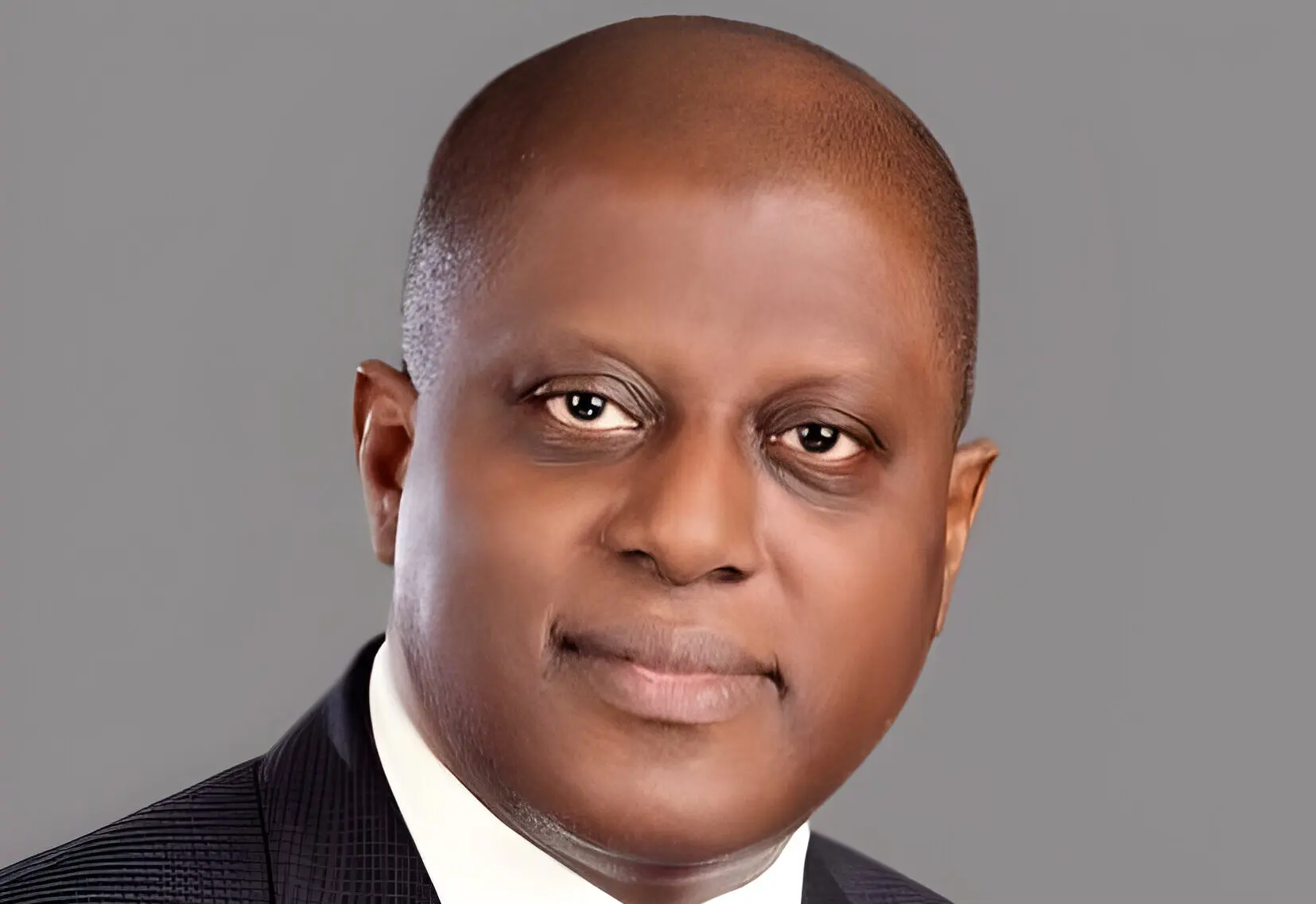
Lagos: Mr Olayemi Cardoso, Governor, Central Bank of Nigeria (CBN), says reforms in Nigeria’s foreign exchange (FX) market have significantly improved liquidity, restored investor confidence and stabilised the Naira.
He made these remarks on Thursday in Lagos during a distinguished Alumni Lecture at St. Gregory’s College, which was held as part of the institution’s Founder’s Day celebration.
Building on this discussion, Cardoso, speaking on the theme “Strong Foundations: From the Classroom to the Capital Base,” elaborated that the reforms had eliminated distortions in the FX market and improved transparency.
According to him, the Apex Bank dismantled the multiple exchange rate system that previously created arbitrage opportunities and benefited only a few privileged participants.

“Through deliberate policy actions, we eliminated the system of multiple exchange rates and significantly reduced the parallel market premium from around 50 per cent in 2022 to less than two per cent on average in 2025,” he said.
Cardoso said the FX market now operated with greater liquidity and efficiency, enabling market participants to transact without extraordinary interventions from the CBN.
He added that the Apex Bank had also cleared the backlog of unmet foreign exchange demand, which previously constrained businesses and investors.
As a result of these actions, the governor said reforms had contributed to a surge in capital inflows, noting that investment flows into Nigeria increased by nearly 200 per cent between 2023 and 2025.
He also said the country’s external reserves had recently exceeded 50 billion dollars, reflecting improved balance-of-payments conditions and growing investor confidence in the economy.
According to him, the stability currently being witnessed in the Naira is the result of deliberate efforts to rebuild trust in Nigeria’s financial markets.
He said these efforts were part of broader macroeconomic measures to restore stability and reinforce the financial system.
He noted that the CBN had also returned to orthodox monetary policy and tightened policy measures to tackle inflation, which had declined from a peak of 34 per cent to about 15 per cent.
He stressed the importance of sound institutions and transparent markets for lasting economic growth.
He said the reforms had positioned Nigeria’s economy to better withstand global shocks, including geopolitical tensions that could affect energy prices and international capital flows.
Turning to the institution, Rev. Fr. Emmanuel Ayeni, Administrator of St. Gregory’s College, highlighted in his welcome address that the college’s history since its founding in 1882 reflected a “history of greatness” that had produced generations of leaders across different sectors.
He welcomed the Archbishop of Lagos, Alfred Adewale Martins, alumni and guests to the college’s 144th Founder’s Day celebration, describing the school as a model of holistic secondary education in Nigeria.
Ayeni also personally welcomed the guest speaker, Olayemi Cardoso, an alumnus of the college, noting that his leadership was shaping Nigeria’s financial landscape.
Panellists at the event agreed that while recent monetary reforms had helped stabilise Nigeria’s economy, long-term growth would depend on coordinated fiscal reforms, stronger institutions and lower inflation.
They also discussed the need for policies that specifically encourage productive investment and lending to facilitate sustained, long-term growth.
The panellists, who are all financial experts, called for stronger coordination between fiscal and monetary policies to drive sustainable growth in Nigeria.
The experts included Bismarck Rewane, Managing Director/CEO of Financial Derivatives Company Ltd; Olufemi Awoyemi, Chairman of Proshare and Tilewa Adebajo, Strategic CEO, Investment Banker and Economist.
Rewane emphasised that monetary policy alone could not drive growth, underscoring the need for alignment with fiscal, trade, and industrial policies to ensure comprehensive economic progress.
Awoyemi noted that high inflation and interest rates had constrained bank lending to businesses, urging targeted efforts to reduce inflation to stimulate investment and lending.
Adebajo emphasised the importance of strengthening institutions and increasing government revenue to support ongoing economic reforms and improve economic resilience.
The panellists concluded that enhancing fiscal capacity and ensuring institutional credibility are essential steps to sustain economic stability and promote long-term growth.
The session was moderated by Frank Aigbogun, Publisher/CEO, BusinessDay Newspapers.