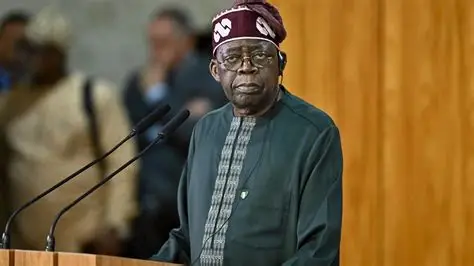
Washington: Nigeria is moving forward with major economic reforms despite growing global uncertainties, according to Finance Minister Wale Edun.
He highlighted rising oil production as a key reason for the country’s increased resilience.
At the IMF and World Bank spring meetings, Edun said crude oil output has reached 1.8 million barrels per day, which is helping to ease fiscal pressures and boost foreign-exchange inflows.
“Nigeria is in a position where the durability that has been built in the economy is actually very obvious for all to see,” he said.

The minister said that reforms started in 2023, such as ending fuel subsidies, devaluing the naira, and changing tax policies, are starting to stabilize the economy.
He pointed to better exchange rate stability, smaller fiscal deficits, and a growth rate of about 4 percent as proof. He also said that higher oil revenues make it possible to support vulnerable households directly, instead of using broad subsidies.
Nigeria has avoided fuel shortages because the Dangote refinery has kept supplies of petrol, diesel, and jet fuel steady. However, challenges remain.
Inflation rose in March for the first time in a year, debt service costs are still high, and non-oil revenues are low.
Global risks are adding more pressure. Edun warned that the conflict in Iran could slow global growth and might even cause a recession if it continues. The IMF has already lowered Nigeria’s 2026 growth forecast to 4.1 per cent due to higher costs for goods and transport, but it expects growth to improve over the next few years. Of these headwinds, Edun said Nigeria will not seek IMF support, reaffirming its pledge to reforms and strength against external shocks.