Chinese loans promised progress but have driven Nigeria into urgent, hidden peril—opaque contracts and a spiralling debt crisis now threaten the nation’s stability
TheDigger Intelligence Unit
A Promise of Progress
When the Abuja–Kaduna Railway opened in 2016, it was hailed as a triumph. Families posed for photos on the platforms, commuters marvelled at the sleek trains, and officials spoke of a new dawn in Nigerian transport.

Amidst the celebrations loomed a $500 million Chinese loan—its undisclosed terms casting an urgent, immediate threat. Few realised that buried contract clauses could enable Beijing to seize assets if Nigeria defaulted, transforming hope into grave risk overnight.
Railways, ports, power plants, and airports were financed with Chinese loans, celebrated with ribbon‑cuttings, yet shadowed by opaque agreements.
Lives in the Shadow of Debt
At Zungeru, where a hydroelectric dam was urgently meant to lift families from darkness, villagers still endure nightfall. “We were told this project would change our lives,” says Musa, a farmer who still relies on kerosene lamps. “But the lights go off as often as before.”
In Lagos, traders at Lekki Port feel an urgent anxiety as whispers spread that China could take control if Nigeria fails to pay. “We hear rumours that China could take over,” says Chinyere, a textile importer. “How can we trust that our goods will keep moving freely?”
And in Abuja, civil servants ride the light rail that costs nearly a billion dollars. Ibrahim, a daily commuter, shakes his head: “The trains are nice, but if the government is borrowing billions for this, shouldn’t it at least pay for itself?”
The $1.5 Billion Question
By 2025, Nigeria’s debt to China had reached approximately $9.6 billion, accounting for a significant portion of the country’s external obligations and making Nigeria one of Africa’s most indebted nations to China. Civil society groups like SERAP demanded detailed explanations for $1.5 billion in loans—comprising $750 million from the World Bank and $750 million from China—secured by Nigeria’s 36 states and the Federal Capital Territory. Their demand was simple: show how and where the $1.5 billion was allocated and spent, with concerns focused on transparency and proper allocation of these funds.
In a public statement, SERAP urged governors and the FCT Minister to “disclose details of any Chinese loans, liabilities, and other external borrowing obtained, and guaranteed by the Federal Government, as well as the terms and conditions for any such borrowing, including the provisions on collateral.”
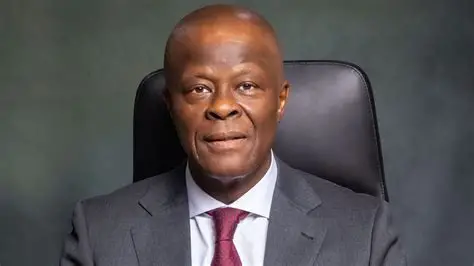
President Bola Tinubu faces mounting, urgent pressure to order audits. Yet transparency remains elusive. Contracts are shielded from public view, repayment schedules are front‑loaded, and hidden costs—insurance premiums, management fees, commitment charges—push effective interest rates far above advertised rates, compounding Nigeria’s crisis.
A Debt Trap in Slow Motion
Nigeria’s loan repayments are set to rise steadily in the coming years. Between 2026 and 2028, scheduled annual debt repayments to China will total around $500 million each year, based on current repayment agreements. By 2035, these annual repayments are projected to reach nearly $900 million, according to debt service schedules. As of 2024, Nigeria’s annual payments to China in debt service already exceed the value of new Chinese loans received. This trend signals a shift from growing loan inflows toward increasing repayment pressure and rising debt dependency.
Unlike Angola, whose loans are tied to oil exports, or Kenya, whose debt is concentrated in its Standard Gauge Railway, Nigeria’s borrowing is spread across multiple sectors. That makes repayment harder to track and accountability more difficult to enforce.
Sovereignty at Stake
Maritime stakeholders have warned that Chinese loans channelled into Nigeria’s ports must not morph into “loan traps.” One industry voice put it bluntly: “We cannot allow our maritime domain to slip into foreign hands because of opaque debt deals. Indigenous companies are already being sidelined.”
The most alarming, urgent threat is what the public hasn’t seen. Sovereignty waivers could empower China to seize Nigeria’s strategic assets if Nigeria defaults—an immediate, high-stakes risk with potentially irreversible consequences.
Dispute resolution clauses often favour Chinese courts or arbitration centres. Procurement restrictions ensure that Chinese contractors dominate, leaving Nigerian firms sidelined.
For ordinary Nigerians, the consequences are urgent and stark. Oil revenues that should fund schools or hospitals are diverted to mounting debt payments. Infrastructure projects—championed as engines of growth—often fail to deliver jobs or reliable electricity. Each looming repayment deadline intensifies the threat of losing control over national assets.
The Road Ahead
Nigeria’s $1.5 billion “problem” is now critical—no longer simply mismanaged loans, but an urgent fight for national survival between desperate infrastructure needs and the tightening, dangerous strings of Chinese financing.
Secretive contracts and public celebrations mask repayments that could shape the economy for decades.
The question is urgent: Can Nigeria renegotiate these suffocating loans, demand real transparency, and reclaim control before it’s too late? Or will it slide ever deeper into peril—where Beijing’s billions become Abuja’s heaviest burden and national sovereignty is lost to collateral?