Bitcoin Depot has filed for bankruptcy. Crypto ATM operators are being criminally charged. The ICIJ Coin Laundry investigation is advancing globally. And Nigeria — the third-biggest crypto market — remains outside the accountability framework. KEHINDE ADEGOKE reports.
On April 1, 2026, TheDiggerNews.com published an exclusive investigation asking one specific question: why was Nigeria, the world’s third‑largest cryptocurrency market, absent from the ICIJ’s landmark Coin Laundry investigation into global crypto dirty money?
Six weeks later, the story has progressed markedly — and Nigeria’s absence from the global accountability framework has become more, not less, alarming.
What Has Changed Since April

Bitcoin Depot — formerly the world’s largest operator of cryptocurrency ATMs — has filed for bankruptcy, citing litigation and government action as the primary cause of its collapse. Tennessee, Minnesota, and Indiana have passed legislation to outlaw crypto ATMs entirely. Canada has proposed banning them outright.
The ICIJ has now documented that major crypto firms, including Gemini and Cumberland DRW, supplied hundreds of millions of dollars in bitcoin to ATM operators that were later criminally charged, with Cumberland continuing to supply Bitcoin Depot until March 30, 2026.
And the ICIJ’s ongoing investigation has traced illicit crypto flows through the world’s largest exchanges — Binance, OKX, Coinbase, Kraken, Bybit, and KuCoin — linked to criminal enterprises including human trafficking networks, drug cartels, and state-sponsored hackers.
The Binance Connection Nigeria Cannot Ignore
Nigeria detained two Binance executives in February 2024. It charged the company with money laundering and tax evasion. It eventually reached a settlement. That case was presented domestically as a regulatory success.
But the ICIJ Coin Laundry investigation — now the most in-depth examination of Binance’s dirty money flows ever published — found that more than $408 million flowed from Huione Group, a company the US government flagged as a “primary money laundering concern,” into Binance customer accounts between July 2024 and July 2025 — during the period Binance was operating under US court-appointed compliance monitors.
Nigeria prosecuted Binance for flows involving Nigerian accounts. The ICIJ documented flows involving accounts globally. The two investigations — one by a national government, one by 100 journalists across 35 countries — have never been formally connected.
TheDiggerNews.com is asking the question: Are any of the $408 million in Huioneto-Binance flows traceable to Nigerian accounts — and does Nigeria’s EFCC know?
Crypto ATMs — A Nigerian Horizon
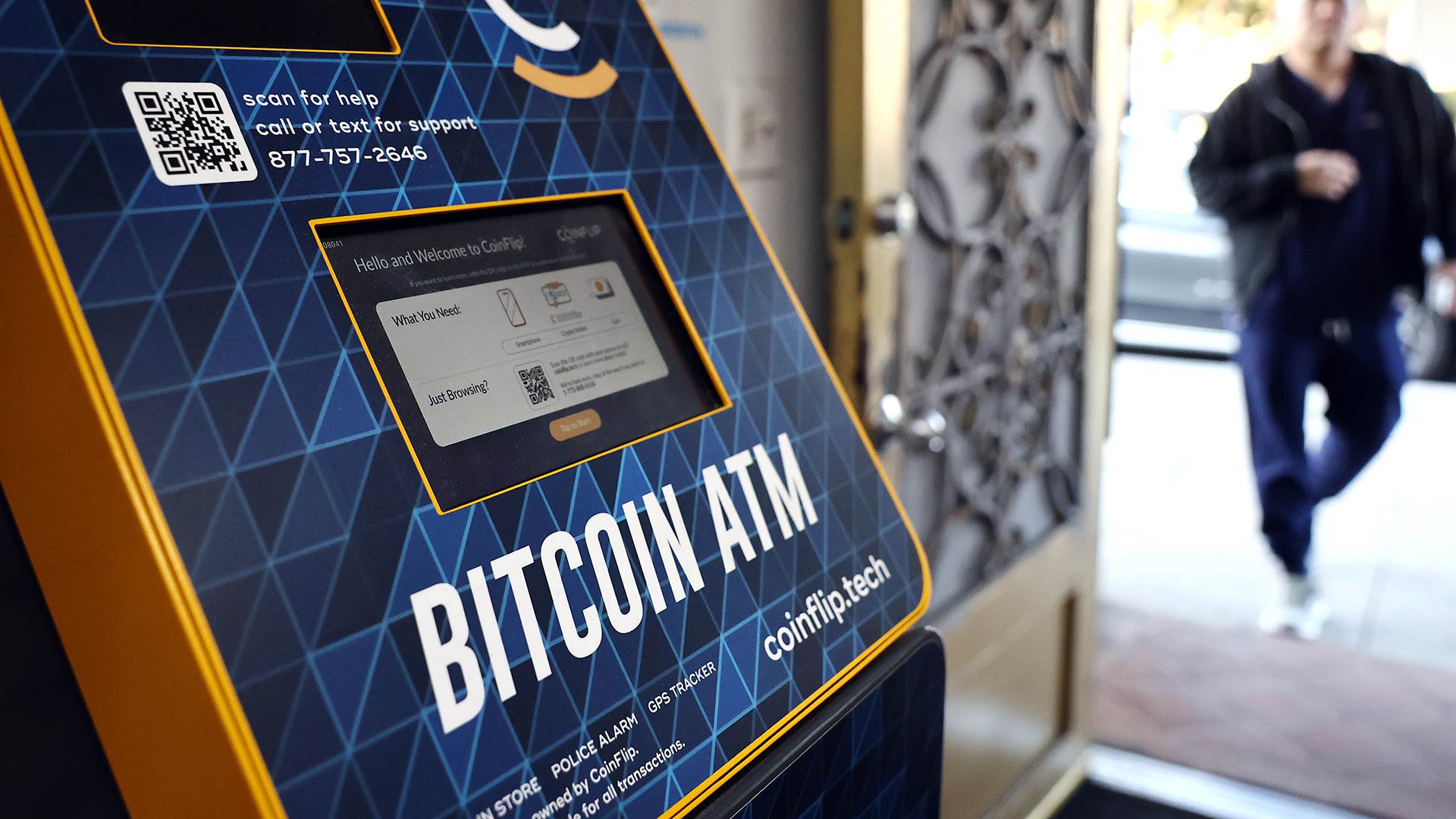
The ICIJ newsletter’s lead story this week documents a global crackdown on crypto ATMs — machines that convert physical cash into cryptocurrency with minimal identity verification, which scammers widely use to launder fraud proceeds.
Nigeria does not yet have a significant crypto ATM infrastructure. But with nearly 40,000 crypto ATM machines operated worldwide and scam losses surpassing $333 million in the United States alone in the first eleven months of 2025, the trajectory of this criminal infrastructure is clear.
As Canada bans crypto ATMs, as US states legislate against them, and as operators face criminal charges, the machines and the criminal networks that rely on them will seek new geographies. Nigeria’s large unbanked population, rapid crypto adoption, and regulatory voids make it a natural next frontier.
The question Nigeria’s Securities and Exchange Commission, the CBN, and the EFCC must answer now — before the machines arrive, not after — is: what regulatory framework exists to prevent Nigeria from becoming the next frontier for crypto ATM fraud?
What TheDiggerNews.com Called in April — Still Unanswered
TheDiggerNews.com‘s April investigation noted that Nigeria’s regulators issued frameworks, but the Central Bank wavered between bans and cautious re-engagement — and that the licensing and enforcement infrastructure needed to participate meaningfully in a global investigation like the ICIJ’s does not exist at scale in Nigeria.
Six weeks later, that assessment stands. The ICIJ newsletter lists media partners across North America, Europe, Asia, and Australia. Nigeria — the third-biggest crypto market — is not among them.
TheDiggerNews.com continues to track the Coin Laundry investigation and its implications for Nigeria.
TheDiggerNews.com has sent right‑of‑reply letters to the EFCC, the Securities and Exchange Commission of Nigeria, Binance, and the Central Bank of Nigeria regarding the questions raised in this report. Their responses will be carried in full once received. This investigation remains ongoing, and TheDiggerNews.com will continue to track the Coin Laundry probe and its implications for Nigeria.
A CoinFlip bitcoin ATM in a gas station in Pasadena, California. Image: Mario Tama/Getty Images May 26, 2026
𝐊𝐞𝐡𝐢𝐧𝐝𝐞 𝐀𝐝𝐞𝐠𝐨𝐤𝐞 𝐢𝐬 𝐚𝐧 𝐚𝐰𝐚𝐫𝐝-𝐰𝐢𝐧𝐧𝐢𝐧𝐠 𝐢𝐧𝐯𝐞𝐬𝐭𝐢𝐠𝐚𝐭𝐢𝐯𝐞 𝐣𝐨𝐮𝐫𝐧𝐚𝐥𝐢𝐬𝐭 𝐰𝐢𝐭𝐡 𝐦𝐨𝐫𝐞 𝐭𝐡𝐚𝐧 𝟏𝟓 𝐲𝐞𝐚𝐫𝐬 𝐨𝐟 𝐝𝐢𝐬𝐭𝐢𝐧𝐠𝐮𝐢𝐬𝐡𝐞𝐝 𝐞𝐱𝐩𝐞𝐫𝐢𝐞𝐧𝐜𝐞 𝐞𝐱𝐩𝐨𝐬𝐢𝐧𝐠 𝐬𝐭𝐨𝐫𝐢𝐞𝐬 𝐭𝐡𝐚𝐭 𝐦𝐨𝐮𝐥𝐝 𝐩𝐮𝐛𝐥𝐢𝐜 𝐝𝐢𝐬𝐜𝐨𝐮𝐫𝐬𝐞. 𝐖𝐢𝐭𝐡 𝐭𝐡𝐫𝐞𝐞 𝐢𝐧𝐝𝐮𝐬𝐭𝐫𝐲 𝐧𝐨𝐦𝐢𝐧𝐚𝐭𝐢𝐨𝐧𝐬 𝐭𝐡𝐫𝐨𝐮𝐠𝐡𝐨𝐮𝐭 𝐝𝐢𝐯𝐞𝐫𝐬𝐞 𝐛𝐞𝐚𝐭𝐬, 𝐡𝐞 𝐡𝐚𝐬 𝐞𝐚𝐫𝐧𝐞𝐝 𝐫𝐞𝐜𝐨𝐠𝐧𝐢𝐭𝐢𝐨𝐧 𝐟𝐨𝐫 𝐟𝐞𝐚𝐫𝐥𝐞𝐬𝐬 𝐫𝐞𝐩𝐨𝐫𝐭𝐢𝐧𝐠, 𝐢𝐧𝐜𝐢𝐬𝐢𝐯𝐞 𝐚𝐧𝐚𝐥𝐲𝐬𝐢𝐬, 𝐚𝐧𝐝 𝐚 𝐜𝐨𝐦𝐦𝐢𝐭𝐦𝐞𝐧𝐭 𝐭𝐨 𝐚𝐜𝐜𝐨𝐮𝐧𝐭𝐚𝐛𝐢𝐥𝐢𝐭𝐲. 𝐀𝐬 𝐌𝐚𝐧𝐚𝐠𝐢𝐧𝐠 𝐄𝐝𝐢𝐭𝐨𝐫 𝐚𝐧𝐝 𝐂𝐄𝐎 𝐨𝐟 𝐓𝐡𝐞𝐃𝐢𝐠𝐠𝐞𝐫𝐍𝐞𝐰𝐬.𝐜𝐨𝐦, 𝐀𝐝𝐞𝐠𝐨𝐤𝐞 𝐥𝐞𝐚𝐝𝐬 𝐚 𝐩𝐢𝐨𝐧𝐞𝐞𝐫𝐢𝐧𝐠 𝐧𝐞𝐰𝐬𝐫𝐨𝐨𝐦 𝐝𝐞𝐝𝐢𝐜𝐚𝐭𝐞𝐝 𝐭𝐨 𝐞𝐱𝐩𝐨𝐬𝐢𝐧𝐠 𝐮𝐧𝐬𝐞𝐞𝐧 𝐭𝐫𝐮𝐭𝐡𝐬, 𝐚𝐦𝐩𝐥𝐢𝐟𝐲𝐢𝐧𝐠 𝐦𝐚𝐫𝐠𝐢𝐧𝐚𝐥𝐢𝐬𝐞𝐝 𝐯𝐨𝐢𝐜𝐞𝐬, 𝐚𝐧𝐝 𝐞𝐬𝐭𝐚𝐛𝐥𝐢𝐬𝐡𝐢𝐧𝐠 𝐧𝐞𝐰 𝐬𝐭𝐚𝐧𝐝𝐚𝐫𝐝𝐬 𝐢𝐧 𝐢𝐧𝐯𝐞𝐬𝐭𝐢𝐠𝐚𝐭𝐢𝐯𝐞 𝐣𝐨𝐮𝐫𝐧𝐚𝐥𝐢𝐬𝐦.
𝐓𝐡𝐞𝐃𝐢𝐠𝐠𝐞𝐫𝐍𝐞𝐰𝐬.𝐜𝐨𝐦 | 𝐰𝐰𝐰.𝐭𝐡𝐞𝐝𝐢𝐠𝐠𝐞𝐫𝐧𝐞𝐰𝐬.𝐜𝐨𝐦 | 𝟎𝟖𝟎𝟑𝟗𝟏𝟑𝟓𝟒𝟕𝟐 | 𝐈𝐛𝐚𝐝𝐚𝐧, 𝐍𝐢𝐠𝐞𝐫𝐢𝐚
editor@thediggernews.com