

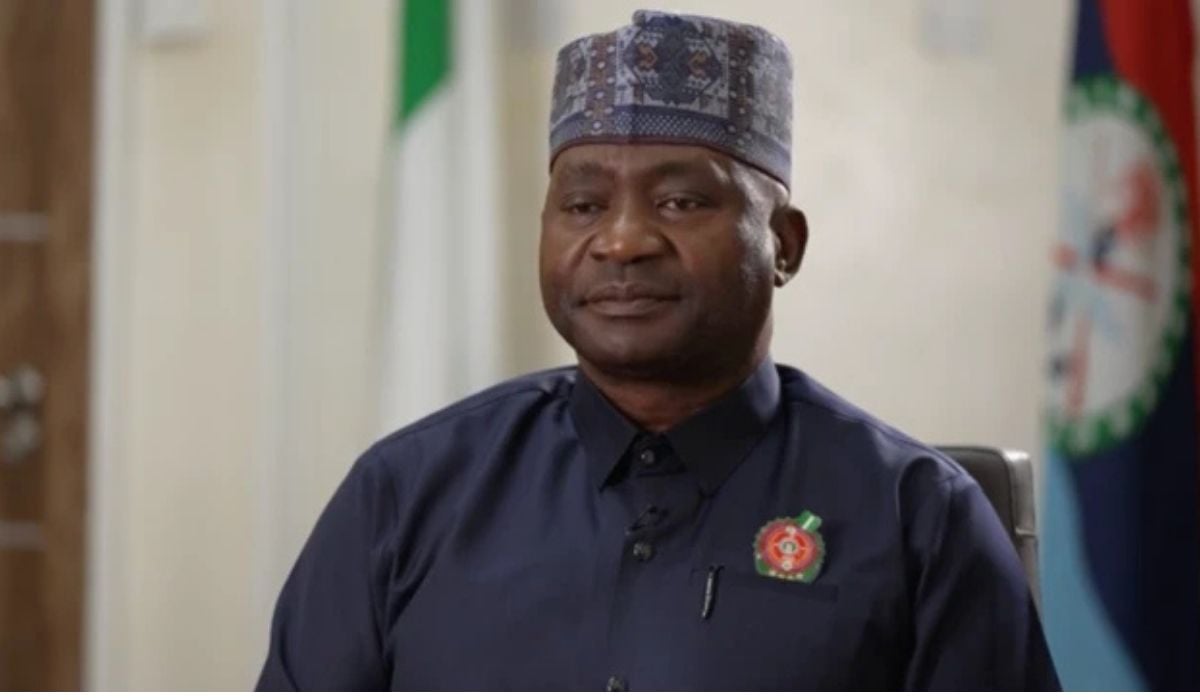
The tragic death of retired Major General Rabe Abubakar at the hands of bandits has sparked a powerful movement within Nigeria’s military and its citizens, fueling a renewed commitment to eradicate terrorism, rebuild trust, and restore peace throughout the country, TOYE FALEYE writes.
A Life of Service, A Death in Captivity
Major General Rabe Abubakar was more than just a soldier; he was a dedicated defender of Nigeria.
As the Director of Defence Information, he was known for his calm demeanour and unwavering integrity, believing that the military’s role went beyond combat to include safeguarding the dignity of its people.

His final days, spent in captivity with his wife, exposed the harsh reality that even the most esteemed officers are not immune to vulnerability.
His passing, due to complications from diabetes and hypertension while being held hostage, is both a personal loss and a national tragedy.
The Army’s Grief and Defiance
Abubakar’s death has left a profound impact on the Nigerian Army. Soldiers remember him as a mentor and a “gentle warrior,” someone who balanced strict discipline with compassion.
The Army’s pledge that “we won’t rest until terrorists pay” stems from a place of grief and defiance.
His death has transformed into a rallying cry, symbolising the sacrifices made by those in service and serving as a poignant reminder that the battle against terrorism is not just a distant issue—it’s deeply personal.
Security Implications for Nigeria
The murder of a retired general highlights the alarming level of insecurity in Nigeria. It brings to light the issues of porous borders, inadequate surveillance in rural areas, and the increasing boldness of bandit groups.
For everyday Nigerians, this tragedy reflects their own struggles—families shattered by kidnappings, farmers forced to abandon their fields, and children unable to attend school safely. Abubakar’s death is not merely a loss for the Army; it encapsulates the daily fears faced by millions.
Military Strategy: Intensifying the Fight
The Army is taking a comprehensive approach to tackle the situation. They’re ramping up joint operations that bring together the Army, Navy, and Air Force to launch coordinated strikes against terrorist strongholds.
Precision airstrikes are effectively dismantling camps hidden away in forests and along border corridors, while ground clearance operations are focused on rooting out cells nestled in rural communities.
To enhance their efforts, intelligence-sharing is being bolstered both within the military and with regional partners, allowing for better tracking of insurgent movements.
The National Counter Terrorism Centre plays a pivotal role in this initiative, weaving together intelligence, community engagement, and deradicalisation programs.
Regional Cooperation: Nigeria and Chad
The ongoing tragedy has spurred Nigeria to seek stronger regional cooperation, especially with Chad and Niger.
Through the Multinational Joint Task Force, they’re stepping up joint patrols, coordinated airstrikes, and intelligence-sharing across the Lake Chad Basin.
This collaboration is vital for cutting off insurgent networks from their supply lines. Leaders are also highlighting the economic aspects of security—stabilising trade and agriculture to tackle the socio-economic issues that often drive recruitment into insurgent groups.
Community Engagement and Human-Centred Security
Nigeria’s military leaders understand that defeating terrorism goes beyond just military might.
Community engagement has become a key part of their strategy. By working closely with local leaders, traditional rulers, and civil society groups, the government is fostering trust and encouraging communities to share vital intelligence.
Outreach initiatives—like providing medical aid, distributing food, and facilitating dialogue—demonstrate that the military is not just a force for protection but also a partner in the community.
Traditional rulers are essential in this effort, acting as a bridge between state institutions and rural populations.
Civil society organisations play a complementary role by advocating for human rights, supporting victims, and assisting in the reintegration of former insurgents.
Together, they ensure that counterterrorism strategies focus not only on defeating the enemy but also on building a more resilient society.
Deradicalisation and Rehabilitation
In addition to military efforts, Nigeria has been putting resources into deradicalisation programs designed to help former insurgents reintegrate into society.
These initiatives emphasise counselling, vocational training, and support for transitioning back to civilian life.
By creating pathways for these individuals, the government not only diminishes the number of potential fighters but also counters extremist narratives.
When communities witness structured efforts to monitor and support rehabilitated individuals, they become more open to accepting them, which reduces the likelihood of re-recruitment and promotes reconciliation.
Regional Economic Development and Security
Economic revitalisation goes hand in hand with security. High levels of poverty and unemployment provide a breeding ground for insurgent recruitment.
To combat this, Nigeria, Chad, and Niger are focusing on regional economic initiatives—such as cross-border trade corridors, agricultural revitalisation, and energy infrastructure—to offer alternatives to violence.
By securing trade routes and investing in local economies, they can diminish the allure of insurgent groups and build resilience against extremist influences.
A Shared Mourning, A Shared Resolve
The passing of Major General Abubakar marks a significant moment in Nigeria’s battle against terrorism and banditry. His death has united the military and government in a commitment to stronger, more coordinated action.
The path ahead is clear: ramp up joint operations, enhance regional collaboration, and blend intelligence efforts with community engagement, deradicalisation, traditional authority, civil society, and economic development.
This loss is not just a blow to the Army; it resonates as a collective sorrow for Nigeria. Yet, it also serves as a rallying point—a poignant reminder that the quest for peace is both a national endeavour and a deeply personal one.
The pledge that “terrorists will pay” transcends military rhetoric; it embodies a heartfelt demand for justice, healing, and a future where no family has to suffer the same fate as Abubakar’s.