

Fricky Hayes Awala, Esq.
Humanity occasionally finds itself standing within rare alignments of history and spirit. We are living through one such moment.
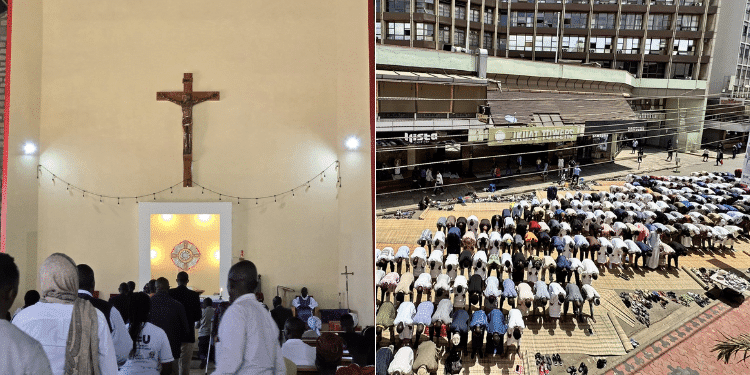
Across continents and civilisations, billions of people have entered a shared season of restraint: the solemn pilgrimage of Lent, the disciplined devotion of Ramadan, and the enduring Jewish mandate of Tikkun Olam, the sacred obligation to repair a fractured world.

It is an extraordinary convergence. For a fleeting span of weeks, nearly half of the human family has pledged to quiet the appetites of the body to awaken the conscience of the soul.
From Warri to the crowded markets of Lagos, the silent cathedrals of Europe, and the ancient synagogues of Jerusalem, humanity bows its head. We fast in pursuit of a common lexicon: humility, forgiveness, and renewal.
One might imagine that such a collective breath would soften the temper of nations. Yet, when we lift our gaze from prayer mats, altars, and Torah scrolls, the horizon offers a harsher illumination.
It is not the gentle glow of the Paschal candle or the fragile crescent of the Ramadan moon that lights the sky. Instead, the firmament burns with the incandescent arc of ballistic missiles. We are confronted with a haunting paradox: a civilisation that fasts from bread while feasting on blood.
Nowhere is this contradiction more stark than in the volatile triangle of the Middle East. As the spiritual descendants of Abraham observe seasons devoted to repentance, the political centres of Tehran, Jerusalem, and Washington continue a tense choreography of deterrence.
The language of diplomacy grows quieter while the machinery of war grows louder. In this theatre of modern geopolitics, the art of negotiation increasingly yields to the cold science of the strike.
The tragedy of this moment becomes even clearer when viewed through the ethical foundations of the faiths themselves.
Within Judaism, the preservation of life, Pikuach Nefesh, stands as the highest moral imperative, overriding nearly every other commandment.
From the prophetic vision of Isaiah, who dreamed of swords beaten into ploughshares, to the daily prayer of Oseh Shalom, peace sits at the centre of holiness.
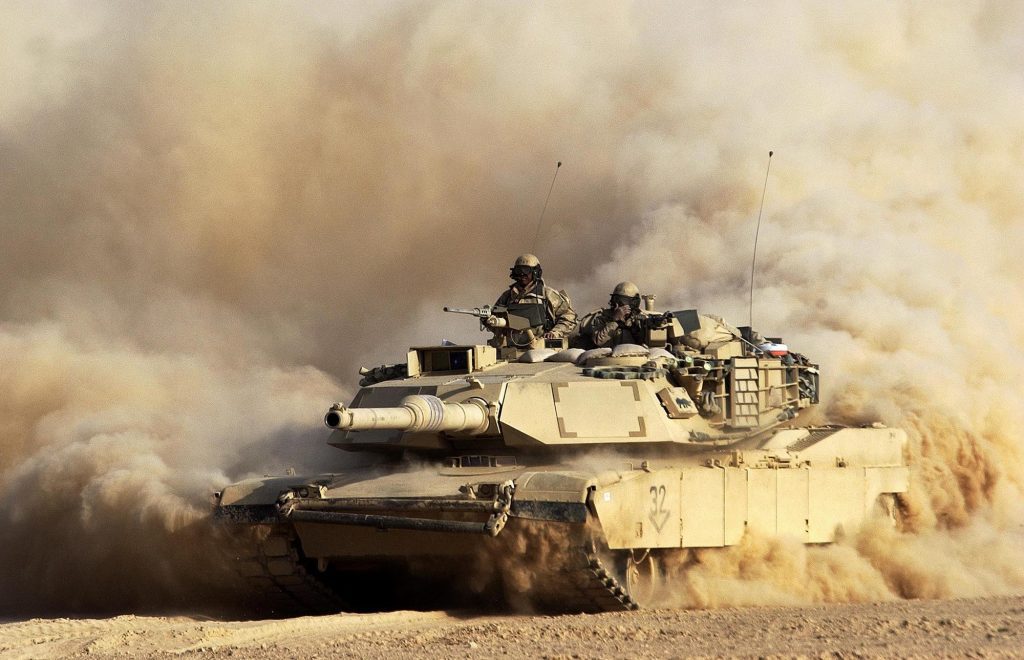
In 2023, global military spending surpassed $2.4 trillion, a wealth spent on destruction. As weapons multiply, the vulnerable call for bread, medicine, and dignity. The moral imbalance is clear.
For Africa, this tension is not distant—it is about spiritual identity. By mid-century, Africa will be the demographic heart of Christianity and Islam. Yet, Africa’s spiritual roots go deeper than missionaries or caliphates.
Long before these global faiths, African societies cultivated “moral ecologies” rooted in restorative harmony. In these traditional cosmologies, the divine lived within the land and the community.
Justice was rarely conceived as vengeance; it was restoration. Conflict was addressed through the palaver, a communal dialogue seeking healing rather than victory.
To offend the neighbour was to disrupt the spiritual balance of the earth itself, guarded by the sanctity of Ala, the impartial justice of Amadioha, or the dignity of Umalokun.
History repeatedly shows that the language of faith is often conscripted to sanctify the state’s strategies.
The current tensions in the Middle East are frequently framed in theological rhetoric, yet beneath the symbolism lies the secular arithmetic of nuclear capability and regional dominance.
When leaders bow their heads in prayer while their fingers hover over weapons systems, devotion risks becoming performance.
If the disciplines of our holy seasons do not inspire restraint among leaders, then rituals of fasting and prayer risk becoming hollow gestures.
The crucial contrast emerges: true transformation demands not just abstinence from food, but from violence. Fasting must shift from private discipline to public peace.
As this remarkable convergence of holy seasons unfolds, we must confront a question that echoes across every altar, mosque, synagogue, and shrine: What is the value of a disciplined body if it is governed by an undisciplined spirit? This is the hour for a profound global soul-searching.
We must interrogate the hollow piety that allows us to seek personal salvation while participating in collective destruction.
Africa, situated at the crossroads of faith, history, and demographic destiny, has the opportunity to help imagine a different moral architecture for the modern world—one in which belief inspires humility rather than hostility.
Let us answer this call by committing ourselves, across all communities, to building a new ethos rooted in compassion, self-restraint, and true solidarity.
For if humanity can master its physical hunger but remain enslaved to its hunger for power, the lessons of our sacred seasons will have been learned in vain.
We cannot plausibly claim to be defending God while destroying the very lives that religious traditions insist are sacred.
From the soil of Ukraine to the sands of the Middle East, the cry of the dead children and the vulnerable demands more than ritual; it demands a transformation of the heart.
We must decide whether we will continue to walk this path of performance, or finally find the courage to stop fasting from bread only to feast on the blood of our fellow man. Let there be peace, not as a political concession, but as a spiritual necessity.