Loopholes flagged by ICIJ in a major US digital‑asset bill could magnify Nigeria’s exposure to illicit cross‑border crypto flows.
Kehinde Adegoke | ICIJ
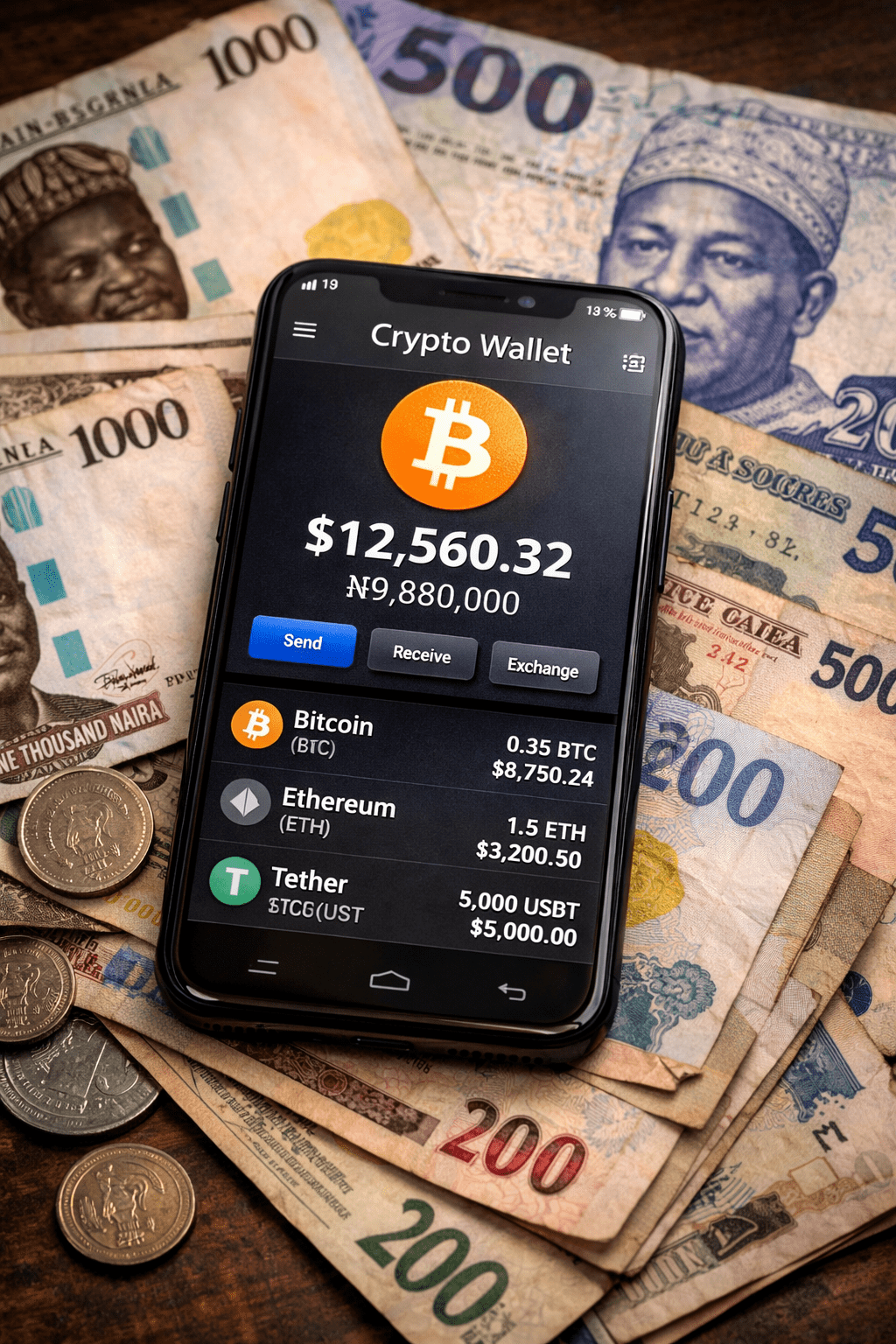
Nigeria’s fast‑growing crypto market may be entering a dangerous new phase. Findings from the International Consortium of Investigative Journalists (ICIJ) reveal that loopholes in a proposed US digital‑asset bill could ripple into Nigeria’s financial system, amplifying risks of money laundering and illicit transfers.
Digital assets already power remittances, business payments, and cross‑border trade in Nigeria. Yet regulators struggle with weak monitoring, uneven oversight, and the difficulty of tracing suspicious funds outside traditional banks. If US rules remain loose, dirty money could move more easily through wallets, exchanges, and stablecoins worldwide — including Nigeria, where adoption is high, but enforcement capacity is limited.

ICIJ’s reporting shows US law enforcement and banks warning that the bill leaves gaps in anti‑money‑laundering safeguards. For Nigeria, the concern is not only about Washington’s choices. Because US financial rules often set global standards, loopholes there could turn Nigeria into a soft landing spot for illicit finance.
Nigeria has tried to tighten its regulatory grip, but innovation keeps outpacing oversight. That leaves open the possibility that illicit actors could exploit compliance gaps, especially in fast, cross‑border transactions. For policymakers in Abuja, the debate is bigger than crypto: it is a test of whether Nigeria can build a financial system that fosters innovation without opening the door to criminal flows.
Without stronger safeguards, Nigeria risks becoming a hub for illicit crypto finance.