

Table of Contents
Scientists warn tiny genetic shifts could spark future pandemics
TheDigger Intelligence Unit
How Viruses Cross Species
Pandemics often begin quietly, when a virus that lives harmlessly in animals finds a way to cross into humans. Bats, in particular, carry a wide range of coronaviruses.
They rarely get sick themselves, but once a virus adapts to human biology, the consequences can be devastating.

COVID‑19 is widely believed to have emerged from such a spillover, showing how quickly an animal virus can reshape the world.
The Breakthrough Discovery
A team of scientists from UCSF, Mount Sinai, Institut Pasteur, and Fred Hutchinson Cancer Centre has uncovered just how small a change it can take.
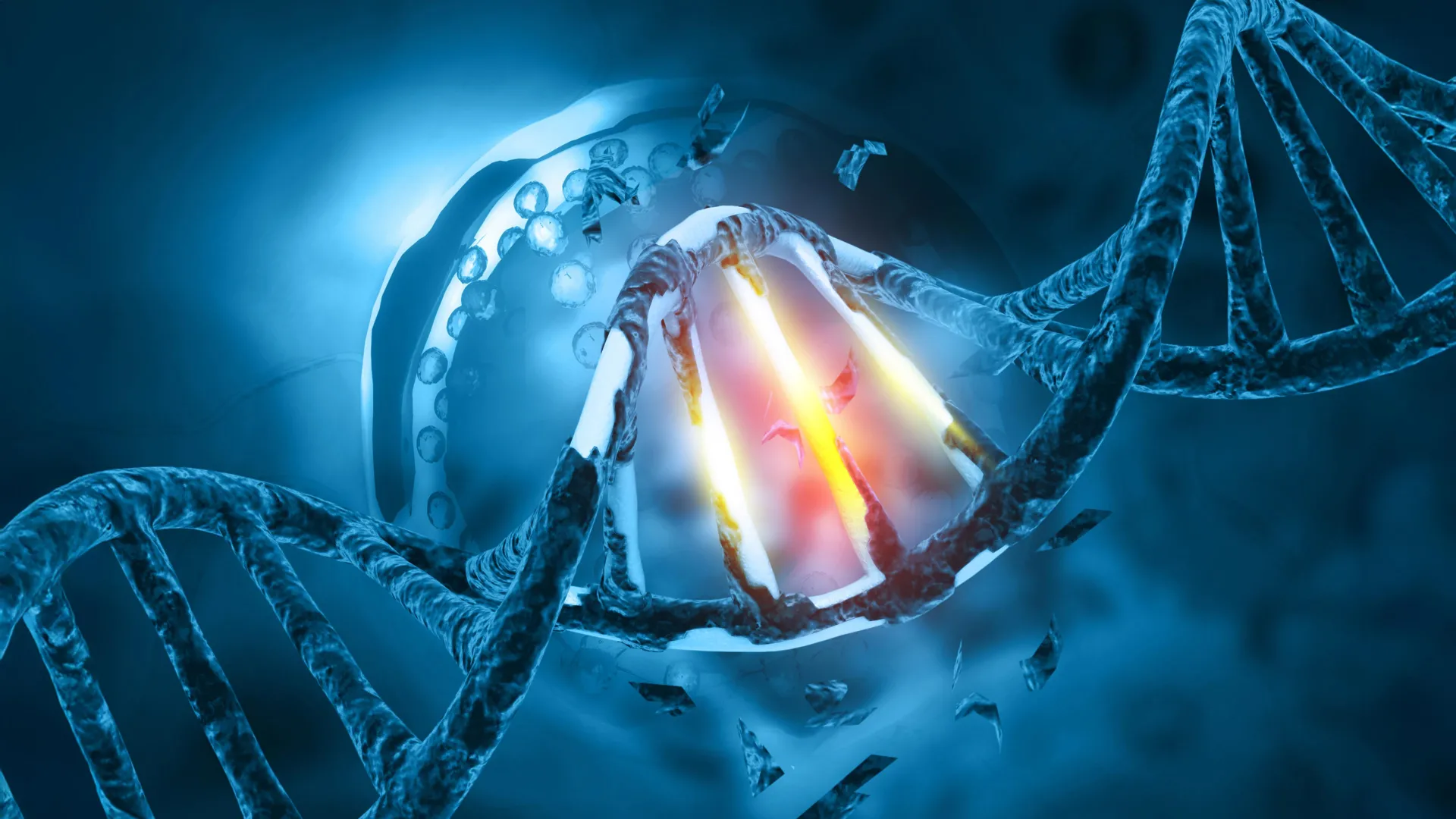
Their study, published in Cell Host & Microbe, shows that a single amino acid difference in a coronavirus protein can completely alter how the virus interacts with the immune system.
Comparing Bat and Human Viruses
The researchers compared SARS‑CoV‑2, the virus behind COVID‑19, with RaTG13, a closely related bat coronavirus.
Using the first laboratory‑grown lung cell line from the greater horseshoe bat, they studied how each virus behaved in bat and human cells. One protein, OrfB9, proved decisive.
Though nearly identical in both viruses, they differed by just one amino acid. In human lung cells, the SARS‑CoV‑2 version shut down an immune alarm system, giving the virus room to spread. In bat cells, however, the RaTG13 version triggered an immune response that kept the infection under control.
Why It Matters for Humans
This discovery highlights how tiny mutations can transform a virus from harmless in animals to highly dangerous in humans.
Once a virus learns to suppress human immune defences, it can spread unchecked, overwhelm hospitals, and trigger global crises.
“The difference between a virus that stays in bats and one that spills over into humans and causes catastrophic disease can come down to remarkably small genetic changes,” said Nevan J. Krogan, PhD, senior author of the study.
Preventing Future Pandemics
The findings are not just about understanding the past — they are a warning for the future.
Scientists say prevention will depend on combining science, ecology, and global readiness.
Work is already underway on universal vaccines designed to protect against entire families of coronaviruses, offering a way to shield populations before the next spillover occurs.
At the same time, monitoring bat habitats and tracking viral mutations can serve as an early warning system, identifying dangerous strains before they reach humans.
Protecting bat ecosystems and reducing human encroachment into their environments is equally important, since stressed wildlife is more likely to pass viruses on.
Finally, global preparedness — from stronger surveillance networks to rapid vaccine platforms and international cooperation — will be essential to stop outbreaks before they spiral into pandemics.