

Table of Contents
While scrolling through my phone today, I saw a post from the Special Adviser on Information and Strategy to President Bola Tinubu about Prince Clement Agba, former Minister of National Planning, who oversaw the release of the first multidimensional poverty report in 2022.
In the video, Agba, speaking at an event, posed a question to his audience: Who should be blamed for the 133 million Nigerians who are multidimensionally poor?
“The Federal Government? No. The states? Yes. The 774 local councils? Yes. They are constitutionally empowered to provide all the facilities that will take our people out of that crushing poverty bracket. Not the Federal Government,” Agba insisted.
For decades, Nigeria has run one national program with stunning consistency, nationwide reach, and bipartisan support.

It has survived military rule. It has outlived multiple presidents. It thrives under every party.
That enduring program is called Poverty, and 133 million Nigerians participate in it today.
This persistence is not accidental. Not mysterious. But systematic.
A Programme That Never Fails
Governments change. Slogans shift. Budgets grow. Committees convene. Conferences pass. Yet one result holds steady: more Nigerians lack quality schools, healthcare, clean water, and are isolated by poor roads.
If poverty were an official program, it would be praised as wildly successful: all targets consistently met, impressive annual growth, unbroken nationwide reach.
While other policies struggle, poverty alleviation never fails.
Poverty Has A Budget Line
Each month, money leaves Abuja for the states and the 774 local governments.
These tiers of government are constitutionally responsible for the very things the poor lack most: primary healthcare, basic education, rural roads, water and sanitation, and local economic support.
Yet year after year, the same deprivations resurface in our multidimensional poverty index—prompting an obvious question:
If the money flows, the mandates are clear, but poverty deepens—what, then, is truly effective here?
Poverty Is Not A Mistake — It Is A Result
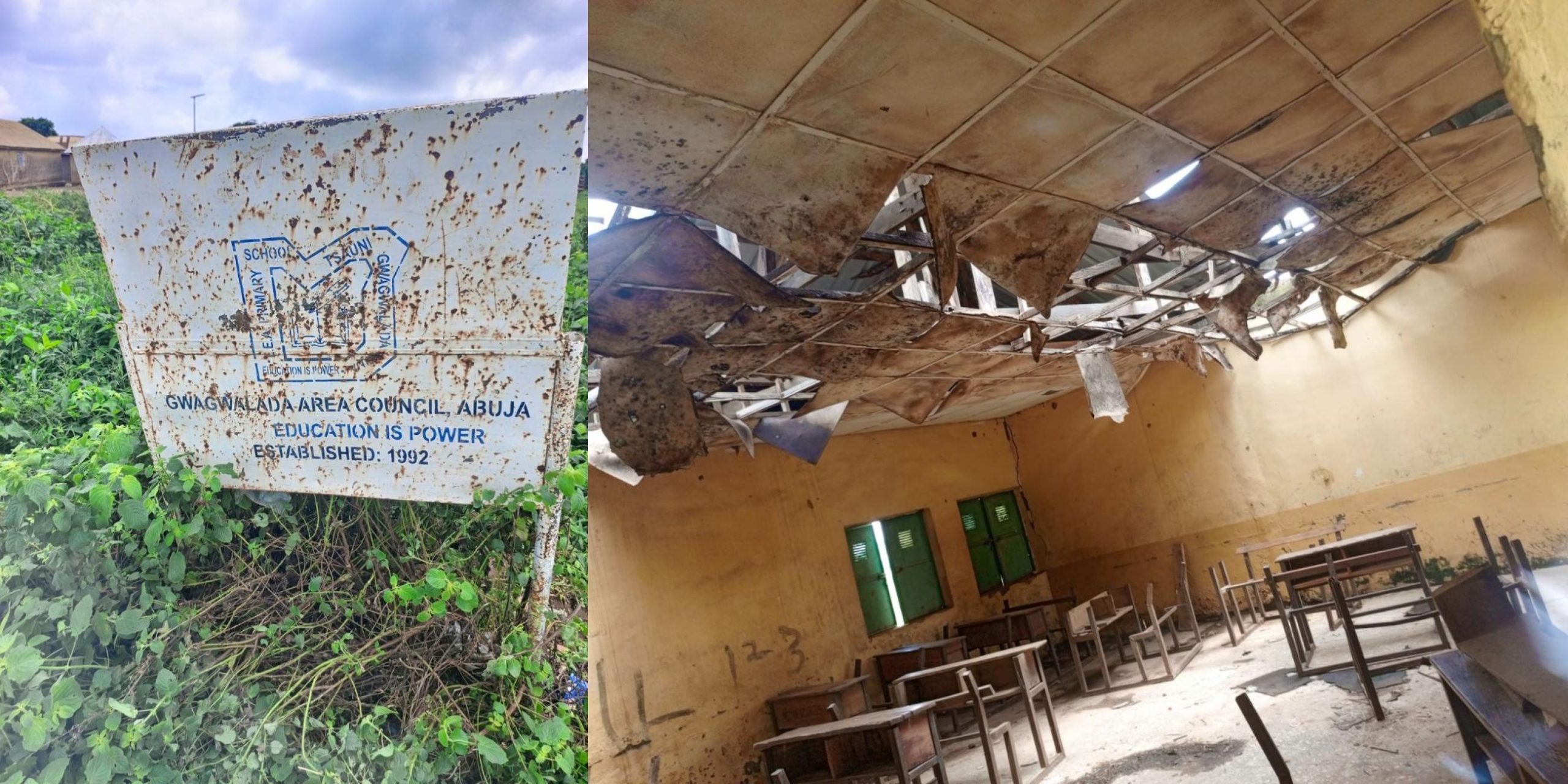
Hospitals without drugs. Schools without teachers. Communities without boreholes. Farmers without access roads.
These results are not from fate or geography, nor from Aso Rock. They stem from choices in state capitals and local secretariats—the tiers closest to the people.
They end up closest, not to the people, but to the budgets themselves.
Nigeria’s Cruellest Paradox
Offices meant to reduce poverty now oversee its growth. Governments closest to citizens escape blame.
Citizens shout at the President. But the broken clinic is in the ward. The abandoned school is in the community. The dry tap is in the village. Poverty in Nigeria is local, but responsibility is always shifted to Abuja—always to Abuja.
When Failure Is Consistent, It Is No Longer Failure
A failed programme collapses. This one grows.
A failed system gets scrapped. This one gets bigger allocations.
A failed policy is questioned. This one is normalised.
When poverty expands in the same places, budgets expand; it stops being a tragedy alone. It becomes a structure.
The Uncomfortable Truth
Nigeria does not merely have poor people. Nigeria produces poor people—reliably, annually, nationwide.
Citizens must go beyond blaming Abuja. Demand transparency, accountability, and results from governors and local chairmen. Raise your voices, organise, and insist on real change in your communities.
And 133 million Nigerians will remain unwilling beneficiaries of a government scheme they never applied for.
Poverty is not just Nigeria’s biggest problem—it is its most sustained policy outcome. Only when Nigerians demand real accountability at every level will this cycle finally break.