

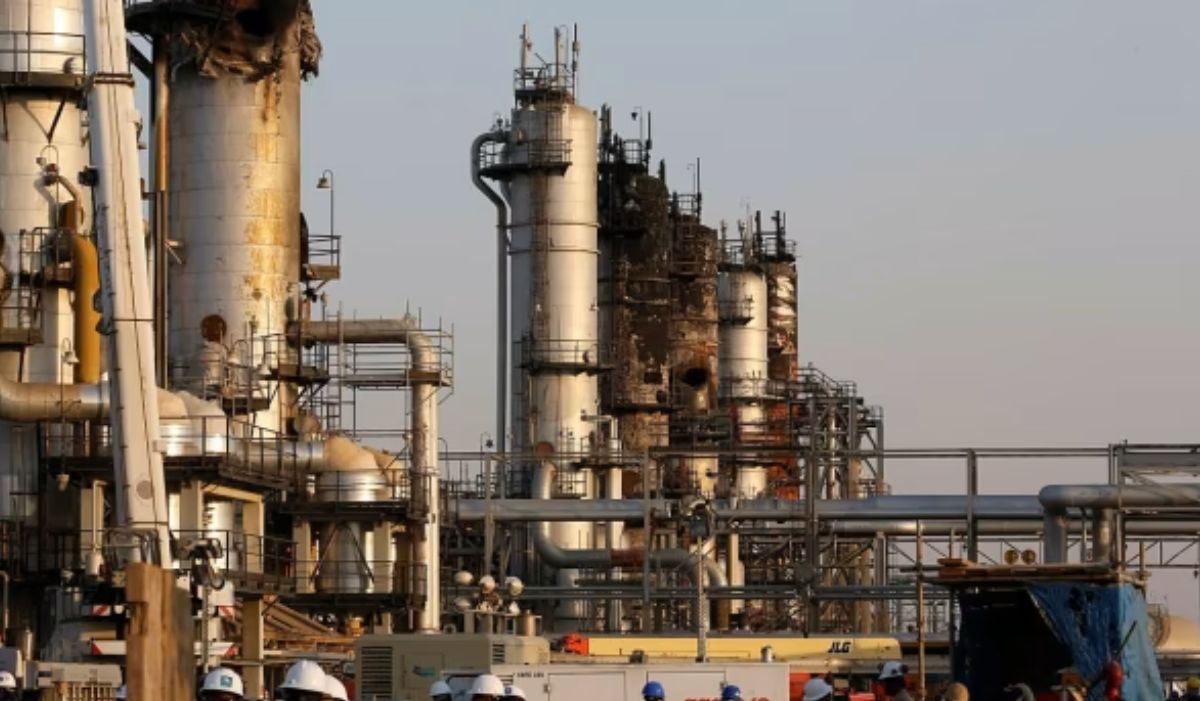
Oil prices slipped again on Wednesday, dragged down by hopes that crude shipments stranded in the Gulf since the outbreak of the Iran war are finally starting to move through the Strait of Hormuz.
Brent crude traded at $76.71 a barrel, while U.S. West Texas Intermediate stood at $72.85 — both near their lowest levels in four months.
Traders say the sight of supertankers inching out of Hormuz has eased fears of a prolonged supply squeeze.
For weeks, thousands of seafarers have been stuck aboard vessels in the Gulf, waiting for safe passage.

On Tuesday, ship‑tracking data showed three supertankers successfully crossing the strait, a breakthrough after the U.S. and Iran agreed to a fragile ceasefire.
The U.N. shipping agency says an evacuation plan is now underway to free hundreds more ships and 11,000 crew members.
“Prices are weighed down by hopes of easing U.S.–Iran tensions and the recovery of shipments through Hormuz,” explained Tomomichi Akuta, senior economist at Mitsubishi UFJ Research and Consulting. He added that progress in nuclear talks could push prices back to pre‑war levels.
The geopolitical backdrop remains tense. Oman and Iran are negotiating how navigation in the strait will be managed, while Washington has warned Tehran against imposing transit fees.
President Donald Trump claimed Iran had agreed to “infinite” nuclear inspections, a statement Tehran quickly denied.
Meanwhile, U.S. crude stockpiles fell by 765,000 barrels last week, far less than analysts expected, adding to the downward pressure on prices.
For oil markets, the story is no longer just about barrels and benchmarks — it’s about whether fragile diplomacy can hold, whether stranded crews can finally go home, and whether the world’s most vital shipping lane can stay open without sparking another crisis.