

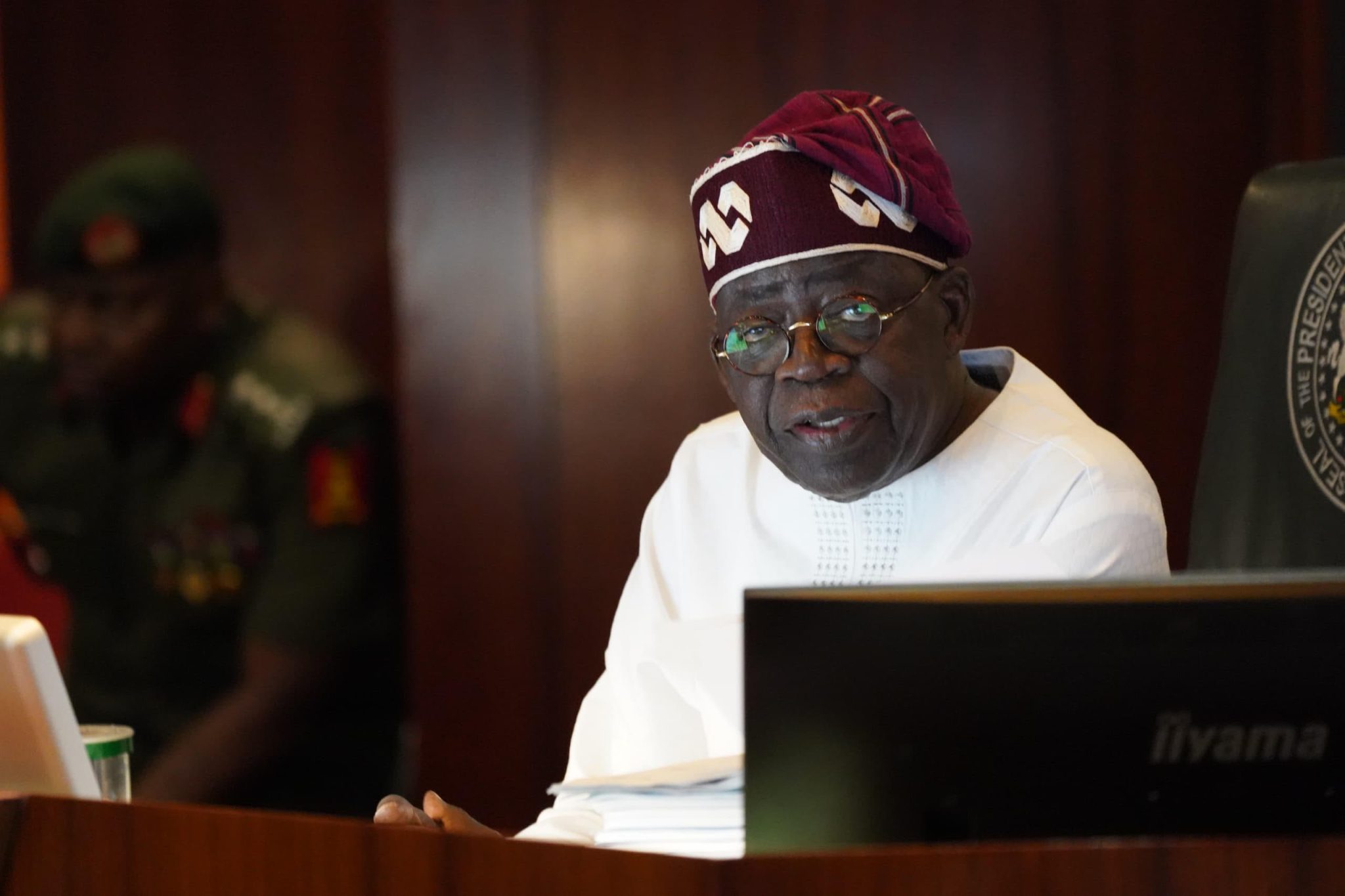
In a sweeping move to address humanitarian and healthcare challenges, the Federal Government has secured a ₦396 billion funding package — equivalent to $396 million — to support internally displaced persons (IDPs) across Northern Nigeria and overhaul health infrastructure in Sokoto State.
The funding, approved by the Federal Executive Council (FEC) during its latest meeting, chaired by President Bola Tinubu, includes a $300 million credit from the World Bank for IDPs and host communities, and an additional $96 million from the African Development Bank (AfDB) and Islamic Development Bank (IsDB) for the Sokoto Health Infrastructure Project.
At the prevailing exchange rate of ₦1,000 to $1, the total package translates to ₦396 billion.
The Minister of Finance and Coordinating Minister for the Economy, Wale Edun, who briefed journalists after the meeting, described the approvals as “strategic interventions” aimed at rebuilding lives and strengthening healthcare systems in vulnerable regions.

“The World Bank credit will directly support displaced persons and their host communities, while the combined AfDB and IsDB facilities will fund critical health infrastructure in Sokoto,” Edun said, adding that the Sokoto State Government will provide counterpart funding for the health initiative.
Edun also presented an optimistic outlook on Nigeria’s economic trajectory, citing key indicators of recovery. He noted that GDP growth had accelerated to over 4.2% in the second quarter, inflation had dropped to 18%, and foreign reserves were rising.
“The exchange rate has stabilised, and affordability is improving. Nigerians now spend about 50% of their income on essentials like food, health, and transport — down from 90% previously,” he said.
He attributed these gains to reforms that have enhanced market efficiency and reduced the cost of living.
Nigeria’s removal from the Financial Action Task Force (FATF) grey list was also highlighted as a milestone achievement. According to Edun, this move restores Nigeria’s standing in global anti-money laundering and counter-terrorism financing frameworks, thereby boosting investor confidence and lowering transaction costs.
“We are now back in the mainstream of global best practices,” he said.
The minister further cited Nigeria’s successful $2 billion Eurobond issuance, which attracted $13 billion in bids — a strong signal of investor confidence despite recent political headwinds.
“This is a resounding vote of confidence in Nigeria’s reforms,” Edun stated.
Edun also pointed to progress in Nigeria’s digital identification system. The National Identity Management Commission (NIMC) has issued National Identification Numbers (NINs) to 125 million Nigerians, enabling more targeted social interventions.
“This capacity allows the government to directly reach and support vulnerable citizens through cash transfers and other programs,” he said.
With these institutional reforms and financial inflows, the administration says it is positioning Nigeria for sustainable, inclusive growth — and sending a clear message to the global investment community: Nigeria is open for business.